

Year: 2011

Support for survivors of sexual assault

AWARE has officially launched the Sexual Assault Befrienders Service (SABS) after a six-month pilot period.

SABS is the first support service for survivors of sexual assault in Singapore. It comprises a dedicated Helpline, counselling, legal counselling and Befriending services.

The SABS Helpline 6779 0282 runs on weekdays from 10am to 9.30 pm. Survivors can also email us at sabs@aware.org.sg for assistance.

Find out more about SABS here.

Our response time for SABS is shorter as the needs of these women are more urgent, and we also follow up on their cases more closely. SABS clients get to see our legal counsellor within three days (depending on urgency) instead of waiting 2 weeks for our regular Legal Clinic. We can send a SABS Befriender down to the police station almost immediately, if necessary.

Our website also offers the most comprehensive information available on rape and sexual assault in Singapore:

WHY SABS?

We decided to set up SABS because we had women calling the AWARE Helpline years after they were sexually assaulted. They were still suffering from panic attacks, flashblacks, nightmares and depression, as they did not have the help and support they needed after the assault to find closure and to move on.

We believe that a specialized, comprehensive support service for sexual assault survivors is needed.

Over the past six months, we received a total of 24 sexual abuse cases. Of these, 14 were rape cases. We met with 10 out of the 24 callers and provided them with counselling, Befriending and/or legal counselling services.

Some survivors talk about the trauma almost immediately and have a compounded reaction of anger, shock and fear, while others try to suppress and mask their emotions. Long-term effects include symptoms associated with post-traumatic stress disorder, low self-esteem, eating disorders, the risk of alcohol/substance abuse and self-destructive behavior.

Having support is extremely helpful in order to deal with these emotions and trauma. Having someone supporting them during police interviews and hospital visits is also beneficial to survivors as they go through the trauma of recounting the incidence.

FINDINGS FROM THE PILOT PERIOD

Date rape

Most rape is acquaintance rape and most of these are date rapes. Date rape is especially confusing for the victim as there is some level of consent to the situation.

Even though the victim did not consent to the sexual penetration, she may have consented to meeting the accused at a late hour alone, to drinking and often to a certain degree of intimacy with the perpetrator, short of sexual intercourse. Although she is clear that she did not consent to sex, she feels partly responsible for the situation.

In date rape cases, we provide the victim with information as to how the law defines rape and consent. We help her to deal with feelings of guilt and shame, and sometimes, the adverse judgments of her family and friends.

Our role as Helpliners, Befrienders and Counsellors in the case of a date rape is to be empathetic and supportive. We say “It’s not your fault” and we work from there. These words “It’s not your fault” make a huge difference to a sexual assault survivor. They can be life-saving.

Police procedures

The Police are generally the first point of contact for sexual assault victims. When the victim first goes to the Police station, she is usually in a state of trauma and confusion. The Police thus have an extremely challenging role as they have to take a report on highly sensitive and personal matters from victims when they are at their most distressed.

A negative experience at this critical stage may re-traumatize the victim and/or deter the victim from proceeding with the report or the prosecution.

This is where the Befriender can be of enormous help to the victim and the Police. We believe that our Befrienders’ support of the victims will assist the Police in carrying out their investigative and prosecution roles more effectively while also ensuring that the victim receives the emotional support.

The Police have to be impartial fact finders. They cannot be the people to tell the victim “It’s not your fault”. But the victim is at a stage where she really needs to be believed and supported, and our Befriender can play this role.

The low rate of reporting

Of the 24 calls that came in during the SABS pilot period, only 6 victims had made police reports.

This low rate of reporting is common and stems from a few factors. In the case of date rape, victims are not sure if a crime has taken place, are afraid of not being believed, feel that they have no evidence or are too ashamed to bring it up.

Victims may also be fearful of victim-blaming – factors such as how they dressed and behaved and their past sexual history may be used against them.

When we started to research rape laws and procedures, we came across Section 157(d) of the Evidence Act, which allows a woman’s past ‘immoral’ history to be used against her. The law had in fact codified victim blaming.

We approached the Minister for Foreign Affairs and Law, Mr K Shanmugam, about this and we are very most heartened by how open and responsive he has been to our feedback in this area. We look forward to a closer engagement between civil society and the government.

This is the start of a long process. Our aim is to make sure that survivors of sexual assault know that they can turn to SABS for immediate help and support, and do not have to struggle alone with their pain for months or years.

SABS: THE NEXT PHASE

These are some of the things we are working on as we embark on the next phase of our SABS programme:

  • A new counselling room and an additional social worker, to meet the needs of our SABS clients.
  • More volunteers to be trained as Befrienders.
  • We hope to partner with the Police and hospitals to reach out to “hot” cases (survivors who reach out to us in the first 72 hours after the incident).
  • We would like to thank the Margaret Mary Wearnes Charitable Trust and the Chen Su Lan Trust for ensuring that we have funding to provide this service for a year. We will continue to work on securing funding for SABS in order to ensure its long-term sustainability.
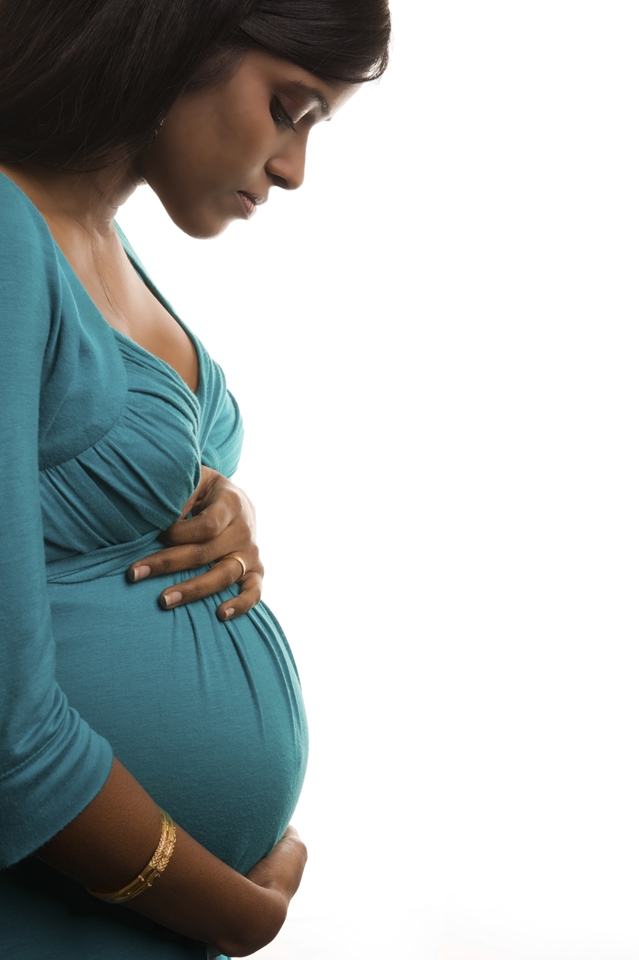
Our response to “Improve job security for pregnant contract employees”

The following is AWARE’s letter to the Straits Times Forum Page, published November 5, 2011

We refer to the forum letter “Improve job security for pregnant contract employees” by Madam Salinahwati Mohd Ali on November 2, 2011.

In her letter, she aired her disappointment at the lack of measures to protect pregnant contract workers. Her contract was terminated twice – when she was less than 3 months pregnant with her second child and when she was 6 months pregnant with her third child.

Madam Salinahwati’s story reveals a gap in the current measures taken by the government to protect pregnant women. Contract workers who are pregnant have been left out of these special provisions.

This lack of protection for pregnant contract workers is contrary to the requirements of the United Nations’ Convention For The Elimination Of All Forms Of Discrimination Against Women (CEDAW). This Convention, which Singapore is party to, obliges the Government to “prohibit, subject to the imposition of sanctions, dismissal on the grounds of pregnancy or maternity leave”. The State is expected to take steps to ensure that all pregnant women can continue to work. This includes contract workers.

Therefore, it is unacceptable that laws protecting pregnant women only apply to those who are permanent staff. This is a gap. The law should be extended to include pregnant contract workers.

In addition, the law has another gap as it only effected after the first trimester. Thus, employers who fire pregnant women before they reach the fourth month can get away with such discriminatory practices. The law needs to be further strengthened by removing this limitation on the first trimester.

Lastly, in the absence of an anti-discrimination law – which AWARE contends is essential – there ought to be enhanced and targeted public education on fair employment practices among employers. Currently, the Tripartite Alliance For Fair Employment Practices (TAFEP) is active in this area but efforts still seem to fall short as dismissals among pregnant women continue.

AWARE would like to urge all who have been unfairly dismissed or forced to resign at any stage of pregnancy to lodge their complaints with the Ministry Of Manpower’s (MOM) Labour Relations Department by calling 6317-1182 or sending an e-mail to mom_lrd@mom.gov.sg. AWARE also operates a crisis phone Helpline and can be contacted at 1800 777 5555.

Ms Braema Mathi
Chair, AWARE CEDAW Committee

Read our published letter here and another ST Forum letter on the same issue here.

Braema Mathi Joins AWARE as Research and Advocacy Director

AWARE is pleased to announce the appointment of Braema Mathi as Honorary Research and Advocacy Director.

Braema has a long history with AWARE, having joined in 1992, served two consecutive terms as President of the association, as well as heading up the CEDAW sub-committee. Part of her role is to review AWARE research and advocacy (R&A) priorities, then to set the framework and to put forth key areas to focus on in the short and long-term. This is the first time in AWARE’s history that a role such as this has been created.

Research and Advocacy forms one of the three pillars of our organisation (the other two being support services and the AWARE Training Institute). Her appointment strengthens the Research and Advocacy capabilities of AWARE.

Braema served as Nominated Member of Parliament from 2001 to 2004 and was a journalist with the Straits Times for nine years. In addition to her role at AWARE, she is also founder of MARUAH (Working Group for an ASEAN Human Rights Mechanism, Singapore, Transient Workers Count Too (TWC2) and A Recycling Network In Action (ARENA).

AWARE is thrilled to have Braema onboard, with her wealth of relevant experience as journalist, activist, researcher in human and women’s rights, at both local and international levels.

Section 157(d) of Evidence Act: Repeal it

On Sept 30, 2011, the Ministry of Law called for public feedback on the proposed amendments to certain sections of the Evidence Act.

AWARE has made a submission that relates to Section 157(d) of the Evidence Act, which makes it possible to discredit an alleged sexual assault victim through her sexual history.

While Section 157 (d) lies outside the ambit of the current proposed amendments, we believe that this law is outmoded and needs to be repealed. We also believe that effective rape shield laws should be implemented to give sexual assault victims necessary legal protection.

WHY SECTION 157(D) NEEDS TO GO

Section 157 (d) of the Evidence Act states:

“The credit of a witness may be impeached in the following ways by the adverse party or, with the consent of the court, by the party who calls him:
….
(d) when a man is prosecuted for rape or an attempt to ravish, it may be shown that the prosecutrix was of generally immoral character.”

It is not clear what is meant by the phrase “generally immoral character”. The drafting history suggests that it was originally targeted at “unchaste” women.

This means that victims of rape or attempted rape can be discredited in court on the basis of “generally immoral character”. This provision implies that a chaste woman is more likely to have lodged a legitimate claim of sexual assault while an unchaste woman is either a) an untrustworthy witness or b) likely to have consented to the defendant’s advances and then lied about it at a later date.

Generally, the main purpose of admitting prior sexual history of the complainant is to impeach the credibility of the complainant and/or to support a consent defence.

The above provision embeds a requirement that women maintain an ideal of sexual abstinence to obtain legal protection. It rests on what the Canadian Supreme Court has called the twin myths – first, that “unchaste women [are] more likely to consent to intercourse” and secondly, in any event, they are “less worthy of belief”.

This “chastity” requirement, which is based on common law, is clearly outmoded and has been reversed by statute in most common law jurisdictions i.e. USA (1974), UK (1976), Hong Kong (1978), Malaysia (1988), Canada (1992), India (2002) and New Zealand (2006).

Singapore is a laggard in this regard.

It is not the function of rape evidence law to perpetuate and enforce moral judgments on women’s sexual lives but to promote the discovery of the truth.

Where credibility is concerned, the reasoning seems to be that promiscuity is a form of dishonesty and hence lessens a victim’s credibility. The rationale is fundamentally flawed; it is biased against women and against victims.

Where consent is concerned, it is illogical and unreasonable to make any inferences about the complainant’s consent to have sex with the defendant on the basis of the complainant’s sexual conduct with other third parties. Consent is not transferable from one party to another. Consent in a rape case must be specific to the accused.

Even if it can be argued that a promiscuous woman is more likely to engage in sexual intercourse in general and is probative of her having given consent in the specific case, when an accused argues consent in rape trials, he is in fact implying that apart from consenting, the complainant also gave false testimony about the incident to the police thereafter and is lying under oath about her experience at the trial. Thus, the accused needs to prove not just a pattern of prior sexual conduct but also a pattern of prior false accusations.

In fact, research has shown that sexually experienced women are:

  • Not more likely to make false accusations of rape
  • Less likely to perceive non-consensual sexual encounters as rape.

Furthermore, it has also been widely observed that, at least, in jury trials, admitting evidence of complainant’s prior sexual conduct can be extremely prejudicial to the complainant, creating an unfair bias against her in the court’s decision-making process.

The complainant’s promiscuity or perceived promiscuity with third parties subverts the truth-seeking process by creating a perception of the woman as having failed to live up to a certain societal ideal of female modesty.

Finally, it is a well known fact that rape is generally one of the most under-reported crimes. In the UK, it is estimated that 75% to 95% of rape cases go unreported. In the US, it is estimated that 60% of sexual assault crimes go unreported. Rape is likely to be heavily under-reported in Singapore as well.

This is not surprising. Not only is rape an extremely traumatic experience for the victim, a victim’s decision to report the crime to the police involves a cost – social recrimination and lost privacy, with no guarantee of offender apprehension.

One barrier to reporting sexual violence is the perception that the complainant and her behaviour are put on trial, rather than that of the accused. Section 157(d) entrenches this and the risk of humiliation and loss of privacy.

It is in the public interest to repeal Section 157(d) of the Evidence Act because:

  • It is based on the outmoded concept that only “chaste” women should be afforded legal protection
  • The moral or immoral behaviour of a woman in general has no logical link to her credibility or to the question of whether she consented to sexual intercourse in the specific case
  • Admitting evidence of a complainant’s prior sexual conduct can be extremely prejudicial to her and create an unfair bias against her in the court’s decision-making process
  • It entrenches the risk of public humiliation to and scrutiny of a victim’s behaviour and deters rape reporting, which is already very low
  • It codifies victim-blaming
  • All or most other common law jurisdictions have already repealed this law.

A woman’s sexual history should not be used against her in a way that is discriminatory and demeaning to her. The existence of this section and the spectre of a woman’s sexual history being used against her add further obstacles to the reporting of rape crimes.

Finally, the Evidence Act already contains general provisions in Sections 150, 153 and 154 which impose limitations on the extent to which counsel can attack the character of a witness. The problem is that Section 157(d) explicitly gives the accused the right to attack the creditability of the victim of rape or attempted rape by showing that she is of “generally immoral character”. It is arguable that the explicit provision in Section 157(d) is not limited or excluded, by implication, by Sections 150, 153 and 154.

IMPLEMENT RAPE SHIELD LAWS

Rape Shield Laws are laws which prescribe or guide when and how previous sexual conduct could be used by a defendant at trial. Many common law jurisdictions have enacted Rape Shield Laws, including Canada, Malaysia, Hong Kong, New Zealand, UK and USA.

These provisions were implemented to reduce the trauma and humiliation that a rape victim may face in court, to encourage the reporting of rape and to prevent misleading evidence from being adduced in court.

Even with the offending section 157(d) repealed, counsel for the accused is normally given a wide latitude to attack the general credit and credibility of the complainant. The enactment of a Rape Shield Law would make it clear that the latitude given in cross examination does not extend to sexual history unless it is sufficiently relevant to the charge.

The courts had in the past increased the sentence of an accused where the defence lawyer had “annoyed, embarrassed and humiliated the victim” during cross examination. Increasing the sentence is an after-the-event deterrence: it deters others from embarking on overly intrusive cross-examination of sexual complainants. It is better to prevent such cross-examination from occurring by disallowing overly intrusive questions from being put to the complainant by Rape Shield Laws.

Read AWARE’s full submission to the Ministry of Law here.

Parliament Primer: Roadblocks to gender equality

Workplace support for women, boosting the fertility rate, and help for single mothers and caregivers were some of the issues discussed during the Oct 17 to 21 Parliamentary debate. Here’s a summary of the key points.

MORE SUPPORT FOR WOMEN IN THE WORKPLACE

Grace Fu
Senior Minister of State for the Ministry of Information Communications and the Arts, and the Ministry of Environment and Water Resources; Member of Parliament for Yuhua; Chairman of the PAP Women’s Wing executive committee

Surveys have shown that gender ratio equality in the workplace is maintained only at the entry level. As we move up the corporate hierarchy, the number of women is significantly fewer than men. Men are progressing faster and further than women. We are under-represented (3 to 8) in the senior leadership positions. Similarly, women only made up 7% of boardroom positions in listed companies in Singapore.

Women are expected to undertake the primary role in caring for the husband, children, and the parents. While we are fortunate to have the support of domestic helpers, women are often expected to make the career adjustments to suit the family circumstances. Many chose to take a slower pace in their career or drop out of the workforce completely.

The younger generation are postponing marriage and parenthood. With good education, women are excelling in the workplace and enjoying financial independence and satisfaction from their jobs. They are delaying the drudgery of a marriage if it means having to sacrifice many of their lifestyle choices.

Women today do not wish to see employers writing them off once a baby is on the way; neither do they wish to rely solely on the promise that their spouses will provide for them for the rest of their lives. They want a workplace where employers, recognizing the multiple roles they play, manage their career with flexibility over their life phases.

A female employee choosing to work part-time when she is caring for a young child should not be excluded from training opportunities nor future progression opportunities.

35 per cent of employers offer some form of work-life arrangement. Women, especially those with children, want to see more options such as more part-time work opportunities, flexible work hours and tele-commuting arrangements.

For those wishing to re-enter the workforce when their children are older, the government can provide training to ease their transition back into the workplace.

Companies can also offer transition arrangements where women re-entering the workforce do part-time work or take up internships, before moving into full-time positions.

Read her full speech here.

Foo Mee Har
Member of Parliament for West Coast; assistant secretary of the PAP Women’s Wing executive committee

There are 58,000 women with university degrees not working, 3 times more than that of men. Women’s labour force participation remains low at only 57% as compared to that of men at 77%. Close to 90% of women stop work due to family responsibilities.

61% of women who are not working, have indicated they would work, if flexi- and part-time arrangements were made available. Being one of the most highly connected and technologically advanced countries in the world, Singapore has all the natural levers to support flexi work. Not leveraging this to enable women to stay in the workforce is truly a missed opportunity.

More can also be done to help women to go back to work, especially those in the lower income group, as this will mean helping their families with extra income to lift living standards.

NTUC’s Back to Work programme, has helped 8,000 women return to the workforce, but there are still more than 235,000 economically inactive women between the prime ages of 25-54 that could be re-inducted.

Consider a special grant to encourage employers to offer re-induction to women returning to the workforce. Under this scheme, companies can obtain grants from the government for a limited period of time, perhaps 3 to 6 months, for hiring female returnees to the workplace. This is to ease the re-induction of women into the workplace. This is an investment that is completely targeted to developing the vocational skills of the worker for the task she is already employed to do, rather than training given in the hope that she will find a job.

We have only seen a mere increase of 5 percentage points in women labour force participation in 20 years. In the meantime, our fertility rate has slid to a historic low of 1.16. This contrasts starkly with countries such as Norway, where gender equality and female friendly employment policies make it easier for women to raise families whilst enjoying successful careers and financial security. Norway’s women labour participation is at a high of 80%, whilst the fertility rate a respectable 1.96. Our lack of progress in this field is all the more conspicuous when stacked up against our achievements and progress in many other areas such as the economy, education, environment and heath.

Can women and family not be represented by a dedicated Ministry, as in other countries such as Sweden, New Zealand and Malaysia? There should be enhanced levels of resources, a strong mandate and authority to prescribe and enforce, rather than to be left to the best efforts of the occasional campaign or promotion by different agencies. The integration of work and family is a national concern, and deserves to be addressed with the right policies, and a comprehensive strategy. Success will mean higher household incomes, more fulfilling lives, and happier families. And very likely, it will also mean more babies. And we will have provided employers in Singapore an enlarged pool of talent who bring unique skills.

Read her full speech here.

HOW HOUSING POLICIES IMPACT FERTILITY RATE

Sylvia Lim
Member of Parliament for Aljunied; Chairman of Workers’ Party

In recent years, home prices have risen sharply. For couples who want children, one of the factors they consider in deciding when to have children and how many to have, is the affordability of housing. A young couple who wants children but who is stretched by high housing payments over a long repayment period may delay having them, and may even have fewer children than they would ideally like to have.

If economic growth is overwhelmingly the government’s goal, then achieving higher housing prices at the expense of fertility may not be considered a problem. But if the happiness and the sustainability of Singapore society is the overarching goal, then there is a need to unravel the exact relationship between high property prices and fertility, and what responses might arrest or even reverse the decline in fertility rates. We will have to look beyond immediate procreation incentives to the bigger picture.

Read her full speech here.

Khaw Boon Wan
Minister for National Development; Member of Parliament for Sembawang

I commit to help all newlywed first-timers earning below $10,000 per month, to get their first HDB home as soon as possible. This will help meet an important social objective of helping them to settle down and start their families.

We are building 50,000 units of HDB flats in the first two years. If the demand remains strong, we have the resources and the capacity to build more than 100,000 HDB flats during this term of Government.

We are building infrastructure ahead of demand. It will cost us money but the social cost of infrastructure too drastically behind demand as currently experienced is not trivial either.

In parallel, I am tackling the issue of affordability head on. The worry out there is that HDB prices will continue to rise. This led to alarm and some panic demand. I have now participated in three Build-to-order (BTO) launches, involving 13,000 HDB units. Since May, we have stabilised the prices of these BTO flats. We have moderated price changes such that after adjusting for differences in location, amenities and other physical attributes, the May, July and September BTO prices were roughly comparable to the prices of similar units in the April BTO launch.

The upcoming BTO launch next month will repeat this pattern. Newlyweds eyeing new HDB flats do not need to worry that BTO price will run ahead of their income. As long as construction costs do not rise dramatically, the BTO prices will stabilise. In this way, new HDB flats will always be affordable to the newlywed first-timers, provided that their expectation is realistic.

HELPING SINGLE MOTHERS

Grace Fu

More child-centric, rather than family-centric, government policies are needed. There are three distinct groups among single mothers: divorcees; widowed and divorced non-Singaporean mothers with Singaporean children; and women who have had children out of wedlock. ‘These women are caught by our pro-family policies.

One basic necessity for them is a roof over their heads. The lack of subsidised accommodation means they have to fork out monthly rent at market rates, leaving them with very little to pay for food and medical fees of their children.

SUPPORT FOR CAREGIVERS

Halimah Yacob
Minister of State for Ministry of Community Development, Youth And Sports; Member of Parliament for Jurong

With an ageing population and smaller families, the pressures on caregivers will escalate and the government should provide more support to families, otherwise we will need more hospitals and nursing homes or we will see more neglected elderly. Our caregivers need more holistic support to reduce the financial, emotional and physical stress on them.

We need to explore providing more subsidies for home-based care, if we truly want to ensure ageing in place for our elderly. We also need more accessible and affordable medical, nursing and physiotherapy services at home.

Another important area that is not well provided for today is respite care for caregivers, which seeks to relieve the stresses of caregiving and support their well-being. Often, we focus so much on the frail elderly that we forget about the needs and well being of those taking care of them. Increasingly, these caregivers are also ageing and are in need of medical care themselves. This is one area in MCYS that I am working on, in partnership with the Ministry of Health and we are exploring a range of solutions to support care at home. This includes assistive technology and home modification. We will also look into expanding the range of structured caregiver training programmes to meet the diverse needs of families.

Read her full speech here.

We had a ball! Thank you for your support

Dear friends,

Thank you so much for coming for our Big Ball. It was great to catch up with old friends and meet new supporters, and we hope that you had as much fun as we did.

We are very pleased to announce that AWARE has exceeded our fundraising target of $200,000. We couldn’t have done this without your help.

Because of your support, we now have sufficient funds to carry out our initiatives for 2012, which include expanding our counselling facilities at the AWARE Centre, increasing our Helpline outreach to Mandarin-speakers, building our support services for sexual assault victims and carrying out various research and advocacy programmes.

Many of you have told us how much they enjoyed the food, wine, company and performances. A big thank you to our generous sponsors and talented performers for making this lovely evening possible.

We have also taken note of the feedback about the spotty sound quality at the venue. Please keep your comments and suggestions coming, so that we can do better next year.

Speaking of next year – we would love to hear your ideas about how AWARE can continue to improve on our fundraising initiatives in 2012. Do drop us a line if you would like to help us make next year’s Big Ball even bigger and better. We welcome your ideas and talents.

We hope you enjoyed being a part of the very first AWARE Awards. We are very excited about the road ahead for all our nominees and winners, and feel certain that they will continue to improve the lives of women and men in Singapore. We’d also like to thank the members of our judging panel for taking the time to participate in this initiative.

To encourage more sensitivity to and discussion about gender equality and sexism, we are now accepting nominations for the next AWARE Awards and the Alamak! Award. You can submit nominations at any time over the course of the next year. Simply click the Awards button on the right sidebar of this website, and fill up the nomination form.

See you again at next year’s Big Ball, where we will continue to celebrate the heroines, heroes and young wonders working for the cause of gender equality.

SlutWalk Singapore: Fringe Events

SlutWalk Singapore has launched its official website. Check it out to get the latest updates on the event.

Before the SlutWalk on December 4, there will be a number of related events. These include:

SlutRide, jointly organised with cycling advocacy group Critical Mass.

SlutScreen, organised by independent collective Underneath The Radar, and featuring films and documentaries touching on issues surrounding sexual assault, victim-blaming/slut-shaming, sexuality, and consent.

SlutTalk, featuring workshops, talks and discussions on issues like sexual assault, the local relevance of the SlutWalk movement, and sexuality and intimacy.

For dates, times and registration details, refer to the SlutWalk Singapore website.

London Weight Management’s parent company replies

On September 30, AWARE sent letters of complaint to the Advertising Standards Authority Of Singapore (ASAS), the Media Development Authority (MDA), MediaCorp, and London Weight Management’s parent company AMES United regarding the slimming chain’s recent controversial TV commercial. Read our letter here.

On October 7, we received a reply from MDA, which stated that MDA has received complaints about the advertisement and has been communicating with ASAS and MediaCorp about the public’s concerns.

AMES United also replied to AWARE in a letter dated October 7, which is reproduced in full below:

Dear Mdm,

Re: London Weight Management Television Advertisement

We refer to your letter dated 30.09.2011

We thank you for taking your time to communicate with us in regards to the above advertisement.

In response to your letter, we wish to inform you that our campaign had ended at this point of time and the said advertisement will no longer be aired on TV.

We have taken note of the Guidelines III Code of Advertising Practice that states as follows:-

“advertisements should not contain or refer to any testimonial or endorsement unless it is genuine and related to the personal experience of the party who provided the testimonial or endorsement“.

Thank you.

Yours faithfully,
Evon Ng
Chief Operating Officer

AWARE Awards 2011: And the winners are…

The winners of the inaugural AWARE Awards, Singapore’s first gender equality award, and the Alamak! Award, Singapore’s first sexism award, were announced at AWARE’s fundraising gala, the Big Ball 2011, held on October 17 at the Grand Hyatt hotel.

The AWARE Heroine: Madam Halimah Yacob

As Director of NTUC’s Women’s Development Secretariat, Madam Halimah’s leadership was crucial to providing support for single mothers, lower-income women seeking employment, women rejoining the work force and women seeking leadership in various unions.

As a Member of Parliament, she has been passionate about raising issues that improve the lives of women, including anti-discrimination measures for pregnant female employees, protecting the rights of domestic workers, as well as protection against sexual harassment.

The AWARE Hero: Mr Benny Bong

Mr Bong is known for his work in the prevention of family violence and violence against women, especially in counselling male perpetrators of violence. He has made a significant contribution to dealing with gender violence at all levels, including policy, research, advocacy and training.

He advocated for criminalising marital rape and has been instrumental in initiating training programmes for police officers on family violence dynamics. He was also the joint organiser of the International Violence Against Women Survey in Singapore in 2009, for which 2006 women were interviewed to find out the prevalence of violence against women in Singapore compared to other countries.

The AWARE Young Wonders: Ms Jolene Tan and Ms Wong Pei Chi

The Young Wonder award was given jointly to Ms Tan and Ms Wong for their work in organizing the No To Rape campaign, which continues today. Raping one’s wife is still not considered rape under Singapore law, and these young women, along with other members of the No To Rape team, have been working to change this since 2009 through initiatives such as petitions, public education campaigns and discussions with the media, Members of Parliament and community leaders.

The Alamak! Award: Obedient Wives Club Singapore

The initial front-runner was Mr Desmond Choo when public voting for this award first commenced on Sept 20. Voting was extended from Oct 7 to Oct 15 due to popular demand, and by the time the 4 weeks of voting was over, Mr Choo ended up with the least number of votes.

Instead, the very first Alamak! Award goes to the Obedient Wives Club, which garnered 4,046 out of the total of 12,586 votes cast.

There were a total of 5,404 voters. Each person was allowed to vote for up to three nominees.

Mr Choo received 821 votes. The Singapore Armed Forces’ “Our Army, My Boyfriend” ad received 1,970 votes. Great Eastern’s “It’s Great To Be A Woman” campaign received 2,719 votes. The Singapore Airlines’ employment policies received 3,030 votes.

ABOUT THE AWARDS

Created this year to mark AWARE’s 26th anniversary, the AWARE Awards celebrates men and women who have broken through gender barriers and helped to nurture a culture of gender equality in Singapore.

There are three categories for the AWARE Awards: The AWARE Heroine, the AWARE Hero, and the AWARE Young Wonder (for an individual under 30 years of age).

The winners were chosen by a panel of judges, comprising AWARE board member and education entrepreneur Lindy Ong, playwright Eleanor Wong, journalist Ong Soh Chin, academic Philip Holden and ambassador-at-large Professor Tommy Koh.

The Alamak! Award was created to highlight instances of sexism in Singapore. Nominations were submitted by members of the public as well as AWARE members, and were closed on August 31. The winner was selected via online voting over a period of 4 weeks.