Year: 2015

Contemplating divorce? Join our support group.

Important: Due to limited resources and overwhelming demand for counselling services during this period, AWARE’s support groups have been cancelled until further notice. Clients seeking support for divorce-related issues can reach out to our Women’s Helpline at 1800 777 5555 to speak with a trained Helpliner, and explore other options, such as seeking legal advice and counselling services.

  contemplating divorce

Divorce is a difficult path to take – but sometimes, staying on in the marriage can be just as challenging. Do you feel lonely or helpless, confused or lost about whether to rebuild your family, or make the painful decision of getting a divorce? Join AWARE’s support group for women at the tough stage of contemplating divorce. You will meet and draw support from other women facing similar struggles, and explore a different topic each week. Learn about helpful resources, support one another through emotional upheavals, and gain clarity and meaning in the decisions you’ll have to make.

“The support group has given me very valuable information, made me less afraid of difficulties in managing my marriage situation and relationship with my children. It’s made me aware that I am not alone, and there is help around.” – Former participant
Venue: AWARE Centre, 5 Dover Crescent, #01-22, Singapore 130005
Registration fee: $100 ($50 to be refunded if 85% attendance is fulfilled)
Duration: 7 Weekly sessions
 
All interested applicants will be contacted 2 months prior to the start date. 

Survey: 1 in 3 young people have faced sexual violence; few seek or receive help

Press release

27 March 2015
we can logoA new survey indicates that sexual violence – from verbal and cyber-harassment to non- consensual touching and rape – is a significant part of young people’s social environment. However, few know how to seek help for themselves, or to provide it to their peers.

The study was carried out in 2014 by Change Makers volunteering with the We Can! campaign, as part of a collaboration with Ngee Ann Polytechnic’s Diploma in Psychology Studies programme. They surveyed 500 respondents aged 17 to 25, who were mostly (59%) junior college students. Slightly over half (55%) of the respondents were female.

Perpetrators, victims and bystanders

Respondents were asked about their experiences of specific acts that constitute sexual violence. These included, for example, physical intimacy with someone who seemed unwilling; physical intimacy with someone who was too drunk to know what was going on; taking sexual photographs without consent; or making unwanted sexual advances or remarks.

For the purposes of this description, ‘sexual assault’ includes kissing, intimate touching or penetration without consent, and ‘sexual harassment’ includes all other acts of sexual violence included in the survey.

Key findings include:

  • Victims/survivors: More than 1 in 3 respondents (35%) reported experiencing sexual violence. 1 in 6 (16%) reported experiences of sexual assault and more than 1 in 4 (29%) reported experiences of sexual harassment.1 The most commonly reported experiences were receiving unwanted pornographic material and receiving unwanted sexual advances or remarks. For about 8 in 10 of all victims (83%), the perpetrator was someone they knew (significant other, family member, friend, classmate or acquaintance). For almost 9 in 10 victims of sexual assault (87%), the perpetrator was someone they knew.
  • Perpetrators: More than 1 in 5 respondents (22%) reported having perpetrated sexual violence. About half of those (11%) reported that they had perpetrated sexual assault.
  • Bystanders: Almost half of all respondents (47%) knew a victim of sexual violence. More than 1 in 3 (37%) knew someone who had been sexually assaulted while 1 in 3 (33%) knew someone who had been sexually harassed.2 4 in 10 respondents (41%) knew someone who had perpetrated sexual violence.

“It’s clear that sexual violence is relevant to many young people’s lives,” said Kokila Annamalai, We Can! campaign manager. “We urgently need to develop a culture of respect and healthy communication around sex.”

A culture which respects consent?

Respondents were asked about their attitudes towards the importance of seeking consent for physical intimacy in a range of social and relationship contexts. Key findings include:

  • 40% did not consider it important to seek consent in marriage.
  • 24% did not consider it important to seek consent in a dating relationship.
  • 31% did not consider it important to seek consent in casual hook-ups.
  • 38% did not consider it important to seek consent if they had been physically intimate with the same person before.

“These findings are troubling,” said Kokila Annamalai, We Can! campaign manager. “They tell us that much more needs to be done to build a culture that respects personal boundaries. Consent should never be seen as optional.”

Future directions for support and assistance

The survey addresses the question of help for victims of sexual violence. Key findings include:

  • When asked who they told about their experiences, the most frequent response from victims was that they had told no one or had told a friend. Some of the most frequent responses that victims received when they told someone were (a) that they should ignore it (b) the other party laughed.
  • Only 6% of all victims said they sought help (turning to family/friends, school counsellor, therapist, etc).
  • Some reasons cited by victims of sexual assault for not seeking help included embarrassment, shame, family shame, disbelief and self-blame.
  • Only 1 in 8 respondents who knew a victim said they offered help. A common theme that emerged was to offer their own advice, e.g. ask them to stand up for themselves, ignore it, avoid the person, be more careful in the future.
  • When respondents were asked the type of help they would prefer if they or someone they knew experienced sexual violence, the most frequent responses indicated a demand for formal support (counselling, legal counselling, assistance from the police and a helpline).

“These results make it clear that services for sexual assault victims, like those offered at the Sexual Assault Care Centre (SACC), are very much needed,” says Jolene Tan, Programmes and Communications Senior Manager at AWARE, which runs SACC, Singapore’s only specialist service for sexual assault victims. “But more has to be done to raise awareness among potential users that these services exist – that they can have assistance in dealing with their experiences.”

“The survey confirms that whether victims of sexual assault seek the help they need is strongly influenced by people around them,” says Kokila Annamalai, We Can! campaign manager. “All of us need to develop a better understanding of sexual assault, to become more supportive peers and family members when those around us need it.”

Roundtable event

The We Can! campaign will be holding a Roundtable at AWARE on 1 April 2015 to present the survey findings and explore the questions that it raises in greater detail.

Date: 1 April, Wednesday
Time: 7.30 – 9.30pm
Venue: AWARE Centre, 5 Dover Crescent #01-22, Singapore 130005

Click here to register

[For media] Please RSVP to media@aware.org.sg if you would like to attend the roundtable. Due to the sensitive nature of the topics covered, we ask that media identify themselves to us so that we can inform other attendees.


About Sexual Assault Care Centre

The Sexual Assault Care Centre (SACC) at AWARE is Singapore’s first and only specialised drop-in centre supporting women who have been sexually assaulted, providing safe, free and confidential services that they need.

SACC offers a drop-in centre with an on-site social worker, a helpline (6779 0282), email support (sacc@aware.org.sg), legal information, therapeutic counselling and ‘befriender’ services – where a trained befriender accompanies clients to the police station, hospital or court.

About We Can!

We Can! End All Violence Against Women is a global movement to reduce social acceptance of gender-based violence by promoting gender equality, inclusivity and collective action spearheaded by ordinary people.

We Can! Singapore – launched in 2013 – uses interactive theatre, intimate workshops, and collaborative projects to empower individual Change Makers and organisations to reflect on and challenge social beliefs and behaviours that perpetuate violence in their communities.

AWARE’s 30th Annual General Meeting

AWARE’s 30th Annual General Meeting (AGM) will be held on Saturday, 25 April, at 2 pm. All members are invited to join us to find out about the exciting year we had in 2014 and discuss plans for the future.

Although this is not an election year, it is special as AWARE turns 30 this year. Join us for a scrumptious tea after the AGM and catch up with old friends. For those who are new to AWARE, we would love to get to know you.

The AWARE Centre will be closed for renovations for three months after the AGM, so this is the last chance to see the AWARE office as it has been for 20 years.

REMINDER: The AGM is open to AWARE members only. If you have not renewed your membership yet, please do so by logging in using the sidebar on the right at the AWARE website. Registration for new members is now closed, and will begin again on 26 April (but you can renew your membership anytime before the AGM to attend).

AGM Details:
Date: 25 April, Saturday
Time: 2pm
Venue: AWARE Centre, 5 Dover Crescent, #01-22

Click here to RSVP.

Please contact us at 67797137 or aware@aware.org.sg if you have any questions. We look forward to seeing you at the AGM.

Reflections on Muslim Women’s Role and Contributions in History

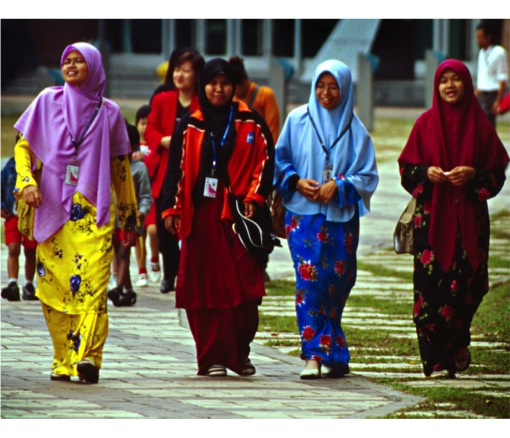
women hijabJoin ‘Gender Equality IS Our Culture’ as we celebrate the contributions of women to our society!

Muslim women have made significant contributions to our society. Unfortunately, their presence and contributions are often buried or marginalised within narratives that subsume women under men. Consequently, their prominence in various fields of achievement have been forgotten.

This series aims to rediscover and reconnect the various roles and contributions of Muslim women that have shaped the our civilisation from past to present times. The series also hopes to rekindle the imagination with regards to how women can continue to play a significant role in various aspects of religious, social, economic and political spheres of society.

The discussion will focus on Rabiah al-Adawiyyah and Nazira Zeineddin.

Event Details:
Date: 16 April, Thursday
Time: 7:30 – 9:30pm
Location: AWARE Centre, 5 Dover Crescent, #01-22
Speakers: Nurul Fadiah Johari and Nadzirah Samsudin

Click here to register.

Roundtable: Where Do I Live Now? Housing Issues Confronting Singaporean Divorcees

On 12 March, Dr Sharon Quah from the Asia Research Institute delivered a roundtable presentation at AWARE, discussing housing issues confronting Singaporean divorcees. Based on her interviews with 30 divorced Singapore women who sought access to public housing after divorce, she suggested that HDB policies disadvantaged divorced women.

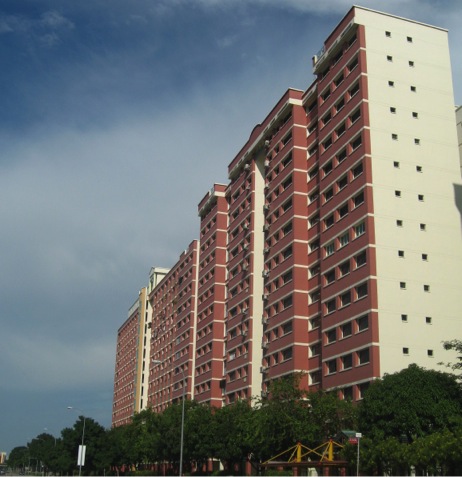
tampines HDBIn “Where Do I Live Now?”, she explained her concept of the “divorce biography”. She argues that upon undergoing marital breakdown, divorcees go through a process in which existential questions are confronted and the divorcee learns to redefine herself as a newly single person. Despite common assumptions that divorce is damaging, it can in fact be an opportunity to renegotiate choice and autonomy in one’s life, form personal communities and pursue productivity. While crafting such a divorce biography, a divorcee may set goals and make future plans.

How does the concept of the divorce biography relate to housing policy? Dr Quah suggested that although there is no standard divorce story, housing is often an important aspect of the divorce biography. HDB policies can play a problematic role here.

First, HDB flats must be returned after divorce if the occupation period was shorter than five years. Additionally, divorced couples had to pay a penalty charge to the HDB. If there were children, they and their primary caregiver might be allowed to stay in the flat even if the occupation period was shorter than five years. However, this concession is made on a case by case basis. These rules can generate instability and uncertainty for divorcees.

Second, long waiting periods are involved in applying for a new flat. According to HDB rules, mothers with custody, care and control of their children would meet the criteria of a family unit. However, due to financial difficulties and a long waiting period for a flat, occupying one’s own flat was often seen as an inaccessible or faraway prospect.

Moreover, the fact that housing regulations were complicated and often subject to change often increased the sense of confusion. An audience member who was divorced some years back bore testimony to the incredible amount of effort it took to negotiate HDB rules, saying, “I kept pressing the authorities until they finally granted me a rental flat even though they were reluctant to give it to me in the first place. I just had to do it because I didn’t have any other options. I couldn’t stay with my parents since they [and my siblings] were occupying all the rooms… I went down to the HDB every day.”

Divorced women who could not move back into their family homes after divorce suffered the most. Dr Quah cited some of her respondents’ circumstances, suggesting that lack of space, family estrangement, or even simple preference (on either the divorcees’ or their families’ part) were common reasons moving back into a family home was not an option for these women.

In one case, one of her respondents had so little choice that she moved back into a flat with her ex-husband and ex-mother-in-law. The ex-mother-in-law did not seem to acknowledge that the respondent was no longer married to her son, and continued to expect the respondent to perform the duties that she had performed as a daughter-in-law.

During the discussion, several related issues were brought up. These included the lack of special housing provisions for victims of domestic violence, beyond shelters, which provided only the most interim form of housing assistance. It was also pointed out that lack of housing stability would adversely impact the children of such divorces, resulting in educational disruption and emotional upheaval. Dr Quah acknowledged this, although she was unable to provide more insight on this consequence of housing policy as her research had predominantly focused on the divorced women in question.

In any case, it is clear that housing policy needs to be reformed to better address the needs of divorcees, given the rising divorce rate. Dr Quah noted, “When asked about how they wish their ‘divorce biographies’ had been better, respondents always referred to some aspect of policy change, especially shorter waiting times for flats.”

Roundtable: Sexual Assault Survey Results

we can logoA new survey by We Can! Singapore indicates that young people in Singapore often have to grapple with the issue of sexual violence – from verbal and cyber-harassment to non-consensual touching and rape, but few know how to seek help for themselves or to provide it to their peers.

Join us for a roundtable on 1 April to learn more about the results of this study and explore the questions that it raises.

Carried out in 2014 by Change Makers volunteering with We Can!, the study surveyed 500 respondents aged 17-25 on their experiences with sexual violence and attitudes toward consent. The survey found that 35% of the respondents reported experiencing different forms of sexual violence, 22% reported having perpetrated it, and 47% reported that they knew a victim.

These findings make it clear that sexual violence is relevant to many young people’s lives. We urgently need to develop a culture that respects personal boundaries and encourages open communication around sex.

The We Can! campaign will present detailed survey findings at the roundtable and lead a discussion of the questions these findings raise.

Event Details:
Date: 1 April, Wednesday
Time: 7:30pm-9:30pm
Location: AWARE Centre (5 Dover Crescent, #01-22)

Click here to register.

Speakers:

Sheena Kanwar is the Support Services Senior Manager at AWARE. She was involved in drafting this survey and analysing the results.

Kokila Annamalai is the We Can! campaign manager at AWARE. She graduated from NUS with an honours degree in Sociology and spent a year working in rural India, with a focus on women’s roles in community development. She was involved in drafting this survey and analysing the results.

Nitya Chawla completed her Bachelor of Social Sciences (Hons.) in Psychology from the National University of Singapore in July 2014 and since then, she has been a researcher at NUS’ Industrial-Organizational Psychology Lab. She also volunteers with AWARE and is a We Can! Change Maker who assisted in analysing the results of this survey.

Unmet Social Needs of Elderly Women

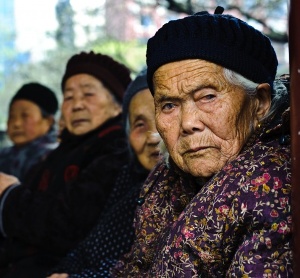
455-old-lady-yaanOn 5 March, AWARE held a roundtable to discuss the results of a study examining the ‘unmet needs of elderly women’ in Singapore. The study found that elderly women in Singapore face a range of problems such as financial issues, health problems and emotional challenges.

The study was conducted under the aegis of the Lien Centre for Social Innovation, which is conducting a series of studies on the unmet social needs of vulnerable populations in Singapore. This includes migrant workers, single parents, disabled persons, and elderly persons. For this study, 100 elderly persons were interviewed, of which 64 were women.

Presenter Balambigai Balakrishnan, a research associate at Lien Centre, discussed key findings and a few representative cases.

Key findings from the study:

  • Education: 80% of female respondents had only a secondary education or less, with older respondents having less education. This was attributed to discriminatory attitudes, with one respondent saying that her father had only sent her brothers to school.
  • Household arrangements of elderly persons are gendered: elderly men tended to live alone or live with their spouses, with fewer living with their children. By contrast, women often lived with their children. During these interviews, it emerged that this was so as men were often less able to contribute to household responsibilities, such as providing childcare.
  • Financial issues: many of the female respondents worked in low-skilled, low-income jobs e.g. as cleaners. While many respondents received money from their children, often supplementary income was required. Some of the respondents could not pay their bills, and others often subsisted on canned goods.
  • Health issues: Health, and paying for healthcare, was a recurrent concern amongst respondents. In addition, poor health limited female respondents’ ability to work.
  • Emotional problems: Due to financial and healthcare concerns, some women felt that they were a burden on their children who supported them financially. Others were estranged from their children and felt unable to rely on them for support.

During the discussion, Teo You Yenn, a sociologist and AWARE board member, mentioned her research on younger families in poverty – some scenarios described during the presentation were the future for many of the women she worked with.

Balam explained that elderly women in comparatively better situations tended to have better health, which made them more able to work. In fact, if they had ever worked, this tended to translate into better outcomes. However, employment histories are themselves related to education levels. “This shows that outcomes really depend on the luck of the draw,” an audience member commented. Teo You Yenn agreed, “Our social welfare system does not protect adequately against risk.”

The participants also briefly discussed solutions. Two major themes emerged: first, elderly women’s emotional and mental well-being should be attended to, as the depth of chronic mental and emotional stresses apparent in the respondents were striking. Ultimately, better social support could not be limited to financial support alone, although that is undoubtedly important. Second, advocacy groups and voluntary welfare organisations should develop a clear message about what interventions are required, to companies seeking to engage the underprivileged, in order to avoid misconceived corporate social responsibility efforts.

AWARE goes to New York: the CSW (Part 2) – Oral statement

This is the oral statement AWARE prepared for the 59th session of the Commission on the Status of Women at the United Nations, held in New York (9 – 20 March). However, due to time and space constraints at the session, AWARE could not deliver this speech. We are publishing it on our website to emphasise the need for legislation prohibiting discrimination based on gender, sexual orientation or gender identity.

This oral statement was prepared on behalf of AWARE by Goh Li Sian, Leigh Pasqual, Vivienne Wee, Corinna Lim and Jolene Tan.

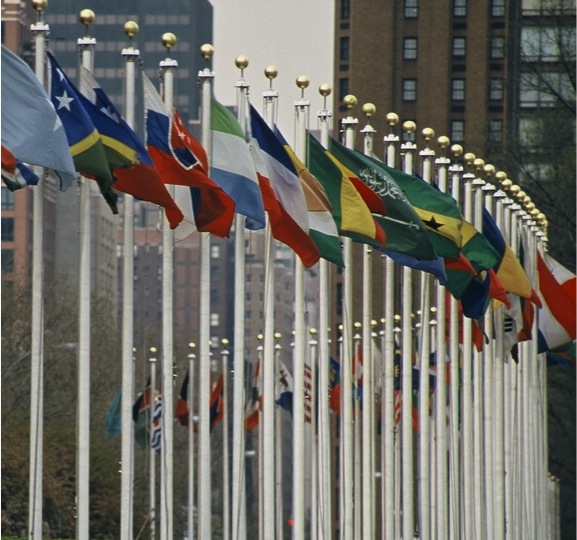
UN flagsIn 1995, the Beijing Platform for Action stated that Governments should provide “constitutional guarantees and/or enact appropriate legislation to prohibit discrimination on the basis of sex for all women and girls of all ages”.

In support of this agreement by all Governments of the world, we call upon Singapore’s Parliament to enshrine equality and non-discrimination for women under the law. This should be done by explicitly amending Singapore’s Constitution in order to afford equal protection before the law, regardless of gender, sexual orientation and gender identity.

Although Article 12 of Singapore’s Constitution guarantees to all persons equality before the law and equal protection of the law, discrimination is explicitly forbidden only on four grounds – “religion, race, descent or place of birth”.  Gender, sexual orientation or gender identity is not explicitly protected against discrimination under the Constitution.

The Singapore Government has defended this lack of explicit recognition in the past. In its fourth periodic report to the United Nations’ CEDAW Committee, the Singapore Government reported that Article 12 of the Singapore Constitution stated that all Singaporean women enjoy equal rights as men. Furthermore, in response to a question from the United Nations’ CEDAW Committee, the Singapore Government argued that “while the legal basis for gender equality may not be as specific as the Committee would like, article 12(1) provides sufficient guarantee of equality to all Singaporeans”, regardless of “gender, sexual orientation, and gender identity”.

However, in a landmark case concerning the constitutionality of a law criminalising homosexual acts between men, Singapore’s highest court decided in 2014 that the Constitution in its present form forbids the state from engaging in discrimination only in relation to the specific grounds listed explicitly – that is, religion, race, descent, or place of birth. The Court emphasised that additional grounds could only be added by Parliament and not by statutory construction through the Courts, which means that protection against discrimination on any basis other than those explicitly identified cannot be assumed.

Since gender or gender identity are not explicitly mentioned in Article 12, women are simply not guaranteed equal protection by the Singapore Constitution. This flatly contradicts the Government’s previous reliance on the Constitution in responding to the CEDAW Committee and raises serious doubt as to whether the state is in compliance with its legal obligations.

There are also no laws specifically prohibiting private entities such as employers from discriminating on the basis of gender, except in relation to specific situations relating to maternity. An employer can thus, with impunity, sack a woman, refuse to hire or to promote her on the basis of gender.

The Association of Women for Action and Research (AWARE) thus supports the call stated in the 1995 Beijing Platform for Action for all Governments to provide “constitutional guarantees and/or enact appropriate legislation to prohibit discrimination on the basis of sex for all women and girls of all ages”. As we have shown in the case of Singapore, women can be guaranteed protection from discrimination only if their country’s Constitution is amended to do so explicitly and only if anti-discrimination laws are enacted.

Secret Land: A colourful exhibition supporting AWARE

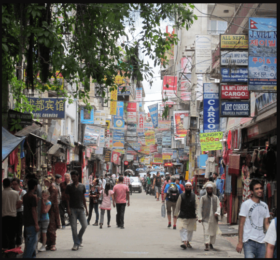
The streets of Nepal

On 26 March, join Women on a Mission at a colourful and acoustic exhibition Secret Land, celebrating the people of the Tsum Valley, Nepal.

Explore this colourful region and build bridges between “us” and “them” with the ‘Queen’ of Asian POP & street culture, artist Ketna Patel, who will be flying in from India to showcase her artwork, and internationally-acclaimed German musician Ulrich Von Wrochem, who will be performing his hauntingly beautiful with his eight-year-old son Danilo Von Wrochem-Prelevic.

Secret Land will feature unique artwork for sale, created by Ketna Patel exclusively for WOAM, and will share with you some of the facets of the life of the people of Tsum.

All profits from the sale of the artwork at Secret Land will be donated to AWARE Sexual Assault Care Centre.

Date: 26 March, Thursday
Time: 6.30pm – 10pm
Venue: 11 Mount Pleasant Drive, Singapore 298382

To RSVP, please email eventrsvp@womenmission.com

His Excellency, Mr Madhusudan Muljibhai Patel, Nepal Consul to Singapore will be joining Women on a Mission at this event as the guest of honour.

About Ketna Patel: Ketna Patel is a highly prolific British-Indian multimedia artist, best known for her extrapolations of street and popular Asian culture. Having lived in East Africa, London, Singapore and India in equal amounts, she describes herself as happily culturally diverse, yet deeply grounded in an evolving Asian culture. Hailing from a Design and Architectural background, she deliberately blurs the line between Art and Utility by mapping her observations onto almost any surface imaginable. 

About Ulrich Von Wrochem: Currently based in Hanover, Ulrich von Wochen grew up in Berlin where he studied violin and viola for many years. His career began in the mid 60s when he held the position of the principal viola player with the Berlin State Opera, the Bavarian Radio and La Scala. For several years after that, he worked freelance and played with American Grammy award-winning opera singer and recitalist, Jessye Norman, in many international festivals, and recorded viola songs from the Brahms Concerts for Philips. Today he gives master classes all over the world, including in Singapore. Danilo Von Wrochem-Prelevic, Ulrich’s 8-year-old son, is currently a singer in the Hannover Boys’ choir and an avid violinist.