






-
Advocacy Theme
-
Tags
- Abortion
- Adoption
- Caregiving
- CEDAW
- Disability
- Domestic Violence
- Domestic Workers
- Harassment
- Healthcare
- Housing
- International/Regional Work
- Maintenance
- Media
- Migrant Spouses
- Migrant Workers
- Muslim Law
- National budget
- Parental Leave
- Parenthood
- Polygamy
- Population
- Race and religion
- Sexual Violence
- Sexuality Education
- Single Parents
- Social Support
- Sterilisation
- Women's Charter
Migrant Mothers of Singaporean Children are Part of Our Singapore Fabric
June 16th, 2026 | Children and Young People, Letters and op-eds, Poverty and Inequality
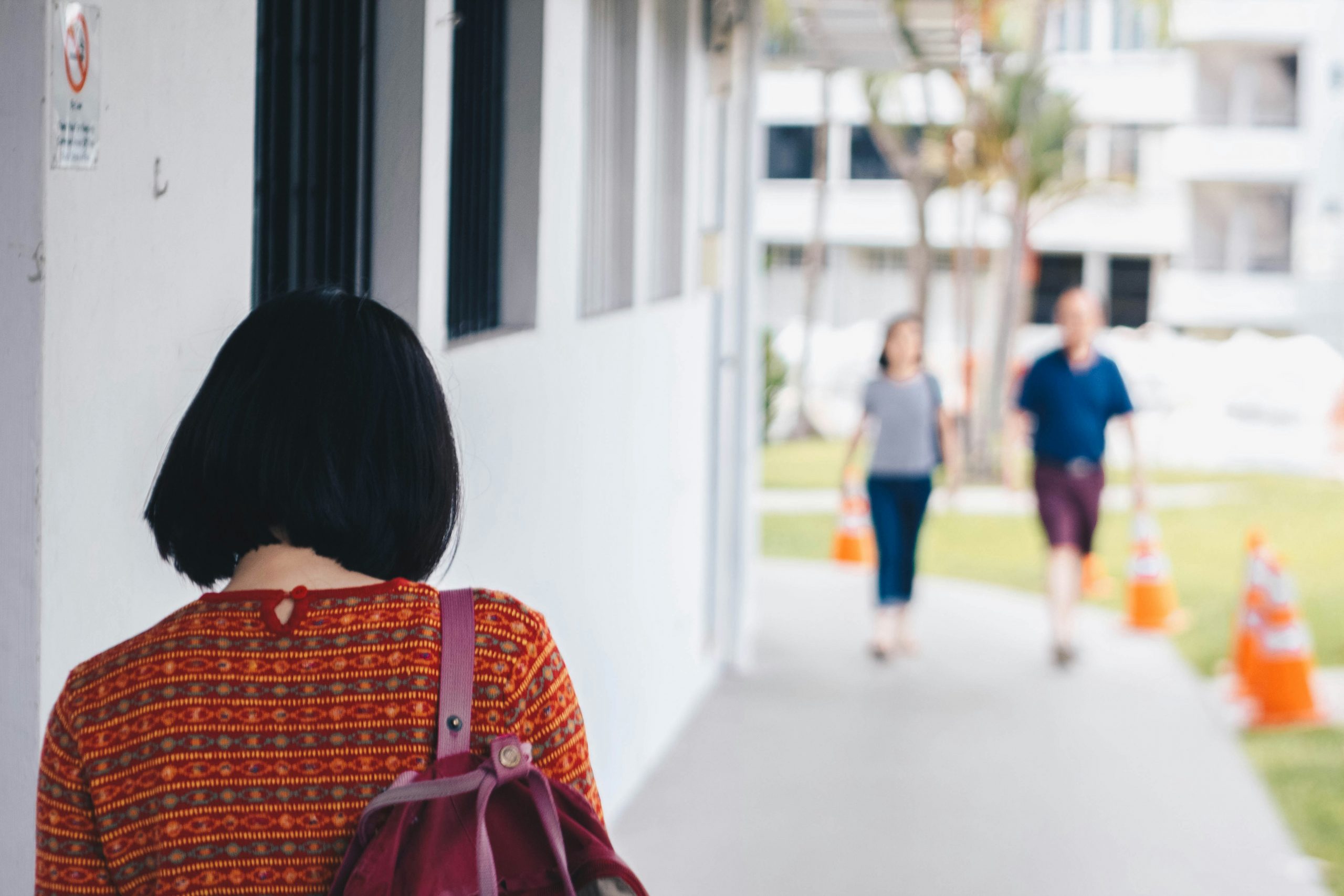
Charmaine (not her real name) has a five-year-old son with special needs who requires assistance. Costs are high and although she has a job, it does not bring her enough money. Yet Charmaine cannot take on a second job to support her son’s needs. Neither can she fully access some subsidies such as ComCare and ComLink+ which are available to other families. This is because even though her son is a Singaporean, Charmaine is not: The conditions of her Long-Term Visit Pass (LTVP) do not allow her to take on another job and subsidies like ComCare and ComLink+ are not fully available to families which include foreigners, even though she is a raising a citizen son and married to a Singaporean. In addition to the financial challenges she faces in raising her son, Charmaine also faces the constant uncertainty of whether her LTVP will be renewed.
Charmaine’s story is one of many in Singapore, where the burdens faced by many transnational families – families comprising Singaporean citizens and non-citizens – are often overlooked, leaving these families underserved. Families come in many forms in Singapore, but with almost 40% of marriages here occurring between Singaporean citizens and non-citizens, transnational families form a sizable portion of the families in Singapore, with about three-quarters of these marriages comprising Singaporean men marrying foreign brides, often from low-income countries in Asia. The children of these families are Singaporean, with mostly foreign mothers and Singaporean fathers.
Yet despite these numbers – holding steady for the last 10 years – many continue to view these as “marriages of convenience”, existing for the purpose of getting this little red dot’s all-powerful passport. However, this narrative loses credibility when marriages last and families grow. It loses meaning when the thing that this little red dot needs the most – with its historically low Total Fertility Rate of 0.87 – is more Singaporean babies, and should be enabling those who have them to live here safely and securely.
Take the example of Jean, a migrant mother of two Singaporean children, who had to travel to Johor every month to renew her Short Term Visit Pass. The story of Jean is one that is amalgamated from interviews that AWARE conducted in 2020 with approximately 40 members of transnational families. It illustrates the struggles of living with a precarious residency status, when the sense of belonging coexists with a constant fear of severance from family and home.
Charmaine’s and Jean’s stories are not isolated incidents. A 2019 study of transnational families found that many of the Singaporean men in the study were blue-collar workers of low education who married younger foreign women from poor families in lower-income countries in Asia, such as Indonesia, Vietnam, Myanmar and China. The majority of these migrant wives were less financially secure and were dependent on their spouses. Another study in 2024 found that foreign wives have limited access to formal or informal support systems and often occupy a subordinate status under their Singaporean husbands due to their insecure immigrant status. These factors compound the psychological and emotional impact of residence insecurity.
The financial burden is not small either. LTVP applications cost money and require renewals. The application for an LTVP costs S$60 and requires a medical check-up which can cost anywhere from $30 to $100 – amounts which are costly for those from lower-income households. Regular renewals of the LTVP are required, compounding the burden for these families. Transnational families also do not have the same access to government subsidies and schemes that all-Singaporean families can benefit from, like ComCare and ComLink+. LTVP holders need a letter of consent to work, and even then, like Charmaine, are not eligible to work for more than one employer, which constrains their financial options. These financial burdens and restrictions on migrant mothers in Singapore fatigue them deeply, especially when living in one of the most expensive cities in the world. These costs add to the mental burden faced by migrant mothers.
But, here is the reality: Migrant mothers are for all intents and purposes, already an integral part of our Singaporean society – they have married into our society, contribute socially and economically, and are raising the next generation of Singaporeans who will enrich our communities and contribute to our labour force and national security. With two in five marriages in the last decade comprising a Singaporean marrying a foreigner, this trend appears here to stay. Instead of focusing on their “otherness” and treating these women merely as foreigners, we should recognise their unique position as women who have grown roots in Singapore and consider how to integrate them into Singapore in a way that more realistically reflects their place in our society. As the government has recently acknowledged, the strength and resilience of Singapore depends on the inclusion and integration of the foreign members of our society.
Supporting transnational families does not require radical change. It requires recognising that migrant mothers and their citizen family members deserve family stability. AWARE recommends clearly defined eligibility criteria for migrant mothers to qualify for LTVP and LTVP Plus passes and for Permanent Residence. These criteria should include being the spouse or parent of citizens. We should embrace these transnational families in our midst. After all, aren’t most of us descendants of immigrants ourselves?
This Mother’s Day, it is important to realise that flowers and gifts are not enough for some mothers. We need to acknowledge that migrant mothers are part of Singaporean families and accept and treat them as such. We must shift from judgment to understanding, and from exclusion to acceptance of these mothers and their transnational families. Now that would be a really meaningful Mother’s Day gift.
Sugidha Nithiananthan, (former) Director, Advocacy and Research, AWARE and Reenah Tamilarasu, Research and Advocacy intern, AWARE