
Author: AWARE Media

Employment Act must step up to protect women at work

“We shouldn’t get our women into jobs where they cannot, at the same time, be mothers…You just can’t be doing a full-time heavy job like that of a doctor or engineer and run a home and bring up children.” (Prime Minister Lee Kuan Yew, in The Straits Times, 1983)
women at work 2
Thirty years later, it is important for us to reflect, as a society, if much has changed. In Singapore today, women remain the primary caregivers of the family.  In spite of their participation in the labour market, women still bear most of the responsibilities for the home – caring for children, elderly and other dependent household members, preparing meals and doing other housework – all of this is unpaid, uncompensated for.

The “double shift” that working women have to perform is a great strain on many of them. Are we giving women enough support to pursue a career they desire and deserve? Women’s ability to rise as a leader in the workplace is also compromised because of the dual burden.
There are numerous impediments faced by women in the workforce or intending to join the workforce. These include the lack of flexible work, long hours, lack of access to childcare, and discrimination faced by single mothers and pregnant women. The government has to address these concerns if it intends to encourage women saddled with the dual burden of providing care for their families and working to remain in or re-enter the workforce.

Providing support for women to work, and making the workplace a safe, conducive environment for them, is critical to building a sustainable workforce and a mature society, where women have an equal voice and fair opportunities in the public sphere.

On top of this, there are many groups of working women who continue to be marginalised in Singapore – this includes foreign domestic workers, single moms and mothers returning to work after taking a few years off for childcare. Business goals cannot be allowed to impede labour rights.

OUR RECOMMENDATIONS:

In January 2013, AWARE submitted recommendations for Phase 1 of the proposed amendments to the Employment Act Review. This was done in response to an exercise carried out by the Ministry of Manpower (MOM).

Extended coverage for foreign domestic workers, pregnant workers and single moms

While AWARE commends MOM for some proposed changes, we note that there are gaps that still need to be addressed. Most significantly, the Employment Act (EA) still does not cover all members of the workforce in Singapore, such as those who are designated as ‘managers’ or ‘executives’.

domestic workerVulnerable groups such as foreign domestic workers are also excluded. This exclusion is not aligned with the State’s obligations to the UN Convention on the Elimination of All Forms of Discrimination against Women (CEDAW). The UN CEDAW Committee has encouraged the State to ‘review and amend existing labour legislation so that it applies to foreign domestic workers, or adopt new legislation ensuring that foreign domestic workers are entitled to adequate ages, decent working condition, benefits and access to complaint and redress mechanisms.

AWARE thus strongly recommends that the EA cover all workers, regardless of position and salary earned, providing them basic protection. For foreign domestic workers, we suggest that the EA should impose limits on working hours and provisions on medical leave, annual leave and a more effective mandatory day-off policy.

Greater protection must also be given to pregnant employees, regardless of their marital status. While AWARE applauds the recent enhancement of the maternity protection to cover the full pregnancy period, this protection does not extend to all expecting mothers. Currently, single mothers who are employed in positions designated as ‘managerial’ or ‘executive’ are not entitled to any paid maternity leave.

There is also no guarantee that a working mother will be able to return to her exact position, without being terminated, after her return from maternity leave. AWARE thus recommends that there be a prohibition against any termination during an employee’s pregnancy, during her maternity leave, as well as three months after she returns to work from maternity leave. This job protection should also be extended to workers who have to take relatively long periods of leave due to physical conditions, such as recovering from illness or accidents.

Flexible work arrangements for family caregivers caregiver 2
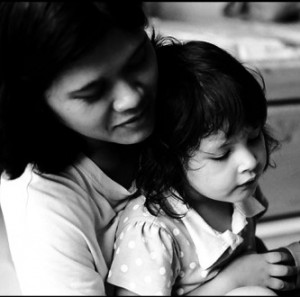
For better work-life balance, AWARE recommends that confirmed employees have the right to ask for flexible work arrangements. The employer is obliged to give the request serious consideration and must have good business reason for declining any such requests. In addition, taking into account our ageing society, all employees should also be given two additional days leave to enable them to attend to health needs of elderly relatives, as per the practice in the civil service.

Protection against workplace sexual harassment

We are also advocating for zero tolerance for workplace sexual harassment. The EA has to be amended to provide for the following:

a)       Explicit legal protection against sexual harassment

b)      Affirmative duties for employers to take steps to prevent sexual harassment

c)       An administrative body to handle complaints and promote application of the law, in partnership with MOM

d)      A wide range of civil remedies and sanctions.

Read the full text of AWARE’s submission here.

Budget 2013: Caregivers still unrecognised

FOR IMMEDIATE RELEASE

25th February 2013caregiver

We are heartened by the focus in this year’s Budget Speech on making Singapore a more inclusive society. In particular we welcome the commitment to reducing income inequalities and promoting social mobility.

The doubling to $3bn of spending on pre-school facilities over the next five years is a long overdue step to ensure that every child has an equal start in life. Having good, affordable and conveniently located pre-school facilities is a critical factor in getting women who have had children to return to the workforce, and in persuading others to have children. Expanding afterschool availability is also commendable.

AWARE is heartened that the Ministry of Health will be doing a thorough review of healthcare financing in Singapore with a view to lowering the out of pocket amounts to be paid by individuals. We further call on the Minister of Health to prioritise chronic care management and to consider instituting comprehensive health insurance that covers all persons, without discriminating against those who are unemployed or are low waged.

We are glad that a proportion of the approximately 200,000 families who currently hire foreign domestic workers (FDW) will benefit from the lowering of the concessionary maid levy from $170 to $120. This reduction of the concessionary maid levy will not benefit poorer families who are not able to afford hiring a FDW in the first place, including those where family members are themselves unpaid and unrecognised caregivers.

AWARE calls for greater support for women who have left or stayed out of the workforce due to their caregiving responsibilities. Ministry of Manpower figures show that as many as 68 percent of women who are not in the workforce identify caregiving responsibilities as the reason why they are not doing paid work.

While we applaud the Government for co-funding 40% of wage increases for Singaporean employees over the next 3 years, as part of the wage credit scheme (WCS), we are nevertheless concerned that only 58 percent of women are currently in the labour force. Concrete measures to expand the female labour force participation rate are needed to ensure that women who are not employed do not get increasingly marginalised in a progressively upgraded economy. The budget was silent on the provision of incentives for promoting flexible work arrangements.

Read AWARE’s full recommendations to the Singapore Budget 2013 here.

Read AWARE’s submissions to the National Population and Talent Division on Marriage and Parenthood Trends here.

Urgent concerns for Budget 2013

For Immediate Releasebalance scale

22nd February 2013

AWARE calls for Budget 2013 to focus on reducing social inequality and providing more support for families. Both are urgent concerns for the State to address, in light of the widening income gap, fertility issues and an ageing population.  An inclusive Budget must extend state support for all, especially those who need it most.

At this time when the government is talking about being “pro-family”, we want to emphasise that being a family-friendly society is more than about fertility issues or being pro-children.  Families are made up of elderly, disabled, chronically ill and even able-bodied members who all need to be cared for. A truly “pro-family” State must take into consideration the needs of its most vulnerable citizens and support their families in caring for them.

AWARE has submitted 18 recommendations to the government for the Budget 2013. We are concerned about gaps in five key areas:-

  1. Comprehensive healthcare
  2. Meeting the needs of the elderly
  3. Increasing support for persons with disabilities
  4. Adequate support for caregiving
  5. Reducing the Gini coefficient and increasing social mobility

Social spending must keep pace with widening income inequality

A government report released yesterday showed that the income gap between the rich and the poor in Singapore is continuing to widen. The Budget must prioritise this issue as inequality will only worsen with population growth.

The White Paper on population projects that two-thirds of Singaporeans will be in PMET jobs in the future, but what about the other one-third? A 2% growth in the foreign labour force will surely impact wage erosion at the lower end. The Budget must focus on social support to mitigate the effects of a more crowded and competitive Singapore.

The current schemes to assist the needy are badly targeted and have low accountability. The State must take a more systematic approach to social spending. AWARE calls for the Budget to support low-income and vulnerable groups through universal measures, including:

a)    Comprehensive healthcare insurance for all, especially the poorest and most vulnerable, without discriminating against those who are unemployed or low-wage earners

b)    Ensure that the elderly have sufficient funds for retirement, especially older women who do not have sufficient savings

c)    Provide infrastructural and financial support to ensure that persons with disabilities have equal access to education, employment and appropriate and affordable healthcare

Giving every child an equal start in life

Singapore’s inter-generational social mobility is significantly lower than that of our neighbours.[1] This means that poverty in Singapore is transferred across generations, with the poor trapped in a vicious cycle. Budget 2013 must reflect the current direction of the Government to reduce the gap between the rich and the poor and to give every child an equal start in life. To do this, the Budget must provide:

a)    Universal childcare benefits that do not discriminate against children based on their parents’ marital, employment or any other status. The state must extend the same childcare benefits to all mothers – single or married, working or not – so that no child is left behind.

b)    The Budget should do away with childcare benefits that favour the rich (tax reliefs / exemptions)

Why we must care about care-giving

Pro-family legislation should go beyond childcare and support employees who care for other family members too. From this year, Singapore will experience an unprecedented age shift, yet there has been no changes in leave policies to enable the younger generation to take time off for their elders.This is why AWARE recommends that childcare leave should be converted to dependent care leave.

Activities of care, whether it is caring for children, elderly, disabled or able-bodied workers, enable our industrial economy to function. These indispensable services should not be rendered invisible or peripheral in discussions of economic matters. Individual women should not be expected to make personal sacrifices to provide the unpaid labour of care. Not only is this socially unjust, it is irrational for a country to address systemic issues of care by relying on individuals to figure out solutions for themselves, case by case, rather than to provide structural support for shared needs.

Read AWARE’s full recommendations to the Singapore Budget 2013 here.

 Read AWARE’s submissions to the National Population and Talent Division on Marriage and Parenthood Trends here.


[1] Ng, KH. 2012. Singapore’s Many Helping Hands: what the data say about how we are doing. Presentation at a roundtable jointly organised by AWARE and the Women’s Initiative for Ageing Successfully (WINGS), Singapore, 11 October

Suicide laws deter treatment, not attempts

By Corinna Lim, Executive Director, AWARE and Porsche Poh, Executive Director, Silver Ribbon Singapore

Why keep Section 309 when it is rarely enforced and only serves to deter those at risk from seeking appropriate help?

suicideMost people, thankfully, do not attempt suicide. All of us are nevertheless responsible for how we, as a society, respond to those who do. Today, on the World Day of Social Justice, we ask: is it helpful – or right – to answer a cry of anguish with the threat of punishment?

 In Singapore, attempting suicide is a crime under Section 309 of the Penal Code. A woman was recently sentenced to jail for repeated suicide attempts. Her case, even if unusual, spurs us to question a law that penalises people facing extreme distress, when they actually need social support.

 Suicide is one of the top ten causes of death in Singapore. In 2011, the Samaritans of Singapore (SOS) handled more than 44,000 hotline calls, indicating the number of people contemplating suicide even if not attempting it. In recent years, suicide has increased among the elderly and the young. In 2011, the elderly made up 23% of all suicides, even though they constitute only 9.3 % of the population. From 2010 to 2011, the suicide mortality rate doubled among those aged 65-74 and those aged 85 and above. From 2008 to 2009, suicide among those aged 10-29 also rose by 70%, increasing from 64 to 91 deaths.

 In 2009, the highest suicide rate – 28.7 per 100,000 – occurred among men aged 65 and above, more than double the national rate of 10.7. Suicide also increased among men aged 20-29, with their suicide rate almost doubling from 10.8 in 2008 to 20.1 in 2009. While suicide mortality rates among women and girls have declined in the last ten years, their highest suicide rate is also among those aged 65 and above, as for men and boys.

 For every death resulting from suicide, there are seven suicide attempts. Arrests for attempted suicide have increased, from 706 in 2007 to 992 in 2011 (almost three a day). Although most arrests do not lead to charges, the process of arrest and investigation is traumatising for the individuals concerned, their family and friends. This may aggravate distress by adding a sense of grievance towards the legal system. The relative infrequency of charges reflects tacit understanding that the criminal law is the wrong tool for this problem. However, the police and magistrates have discretionary power to decide whether to lay charges – a process neither transparent nor assuring to those in distress.

 Is the criminalisation of suicide, as some contend, an effective deterrent? The World Health Organisation (WHO) has said repeatedly that, rather than deterring people from attempting suicide, criminalisation deters them from seeking treatment, increasing the risk of suicide rather than reducing it. Criminalisation focuses on censure and the assignation of fault, rather than helping attempters deal with the causes of distress, such as illness, bereavement or financial difficulties. Criminalisation may even motivate those attempting suicide to ensure that they die, rather than survive and face punishment.

 The police cannot be expected to provide the social support needed. Nor are all officers trained for this. Yet their scarce resources are expended on arresting those who attempt suicide and investigating self-injury which may not have been suicidal in intent.

 Data from countries that have decriminalised suicide, including Canada and New Zealand, show that suicide rates do not increase as a result of decriminalisation. In Hong Kong, where suicide was decriminalised in 1967, effective suicide prevention strategies are implemented by several agencies.

 Those contemplating suicide would benefit from appropriate public health support, such as counselling, rather than from legal threats and punishment. Why keep Section 309 when it is rarely enforced and only serves to deter those at risk from seeking appropriate help?

AWARE and Silver Ribbon (Singapore) call on the State to decriminalise suicide and to develop a comprehensive suicide prevention framework modelled on the WHO’s recommendations. Suicide is a public health issue, where those who are suicidal should receive appropriate care, not penalised as criminals. Even after suicide is decriminalised, Singapore’s Mental Health (Care and Treatment) Act would still authorise the police to ensure that those who harm themselves receive medical treatment.

 world day of social justiceLast year, in his message on the World Day of Social Justice, the UN Secretary-General said that social justice is served when we see a “future we want”. When people attempt suicide, very often it is because they do not see any future they want. Penalising people for seeking to end their lives does not create hope for the future.

 A 2012 World Happiness Report from Columbia University reported “high correlations between various low well-being scores and … coronary heart disease, strokes, suicide and length of life”. To reduce suicide attempts, the causes of low well-being need to be addressed. By criminalising suicide, the law says, in effect, that one should just resign oneself to despair. What we need to do is to change the conditions that give rise to despair.

 AWARE and Silver Ribbon acknowledge the contributions of Jolene Tan, Vivienne Wee, Emily Lim and other members of the Working Group on the Decriminalisation of Suicide in writing this article. A shorter version of this article was first published in TODAY on 20 Feb 2013. Read the published version here.

AWARE calls for an inclusive Budget 2013

This year, AWARE reiterates its recommendations for an inclusive budget that adequately meets the needs of all women in Singapore, regardless of age, marital status and disabilities. The Budget should also be aligned with the State’s obligations under the international treaties that Singapore has ratified:

  • Convention on the Elimination of All Forms of Discrimination Against Women (CEDAW)
  • Convention on the Rights of the Child (CRC)
  • Convention on the Rights for Persons with Disabilities (CRPD).

budget cartoonAlthough the State has stepped up efforts to address the needs of an inclusive society, AWARE is still concerned about gaps in five key areas:

  1. Comprehensive healthcare
  2. Meeting the needs of the elderly
  3. Increasing support for persons with disabilities
  4. Adequate support for caregiving
  5. Reducing the Gini coefficient and increasing social mobility

AWARE calls for increased support for the care economy – activities of care that enables our industrial economy to function – including the care of children, the elderly, disabled and even able-bodied workers. Care work is indispensable and should not be rendered invisible or peripheral in discussions of economic matters. Individual women should not be expected to make personal sacrifices to provide the unpaid labour of care. Not only is this socially unjust, it is irrational for a country to address systemic issues of care by relying on individuals to figure out solutions for themselves, case by case, rather than to provide structural support for shared needs.

AWARE’s recommendations were discussed with individual experts and civil society groups, including a pre-Budget Forum at AWARE on 26 January 2013. Our 18 recommendations are:

A.     Comprehensive healthcare

  1. Immediately double current spending on healthcare from 1.6% of GDP to 3.2% and make healthcare affordable for all
  2. Minimise the out-of-pocket healthcare expenditure of individuals, especially those who can least afford it
  3. Prioritise chronic care management, improve chronic care treatment and make it affordable to all
  4. Extend comprehensive health insurance to all without discriminating against those who are unemployed or low-waged

B.     Meeting the needs of the elderly

  1. Ensure that the elderly have sufficient funds for retirement, especially older women who do not have sufficient savings.

C.     Increasing support for persons with disabilities

  1. Increase access of persons with disabilities to all mainstream and Special Education (SPED) schools, and all tertiary educational institutions
  2. Ensure that all SPED schools are affordable to persons with disabilities
  3. Provide support infrastructure for persons with disabilities in tertiary educational institutions, such as sign language interpreters, allied educators and other facilitators
  4. Provide transport allowances to all persons with disabilities so they can travel to schools and workplaces of their choice
  5. Increase the employment of disabled persons by allocating more funds to sheltered workshops and making the Open Door Fund more available to employers.
  6. Extend the enhanced MediShield insurance coverage to babies with congenital and neonatal conditions, and to those who acquire disabilities during the course of their lives.
  7. Provide a tax rebate for employed persons with disabilities to offset the cost of specialised equipment they need for daily living.
  8. Develop a comprehensive, transparent and accessible database about persons with disabilities in Singapore, with gender-disaggregated information.

D.    Adequate support for caregiving

  1. Extend the same amount of childcare subsidies to working mothers and stay-at-home mothers
  2. Eliminate discrimination based on marital status of parents when providing subsidies to newborn citizens
  3. Change the Work-life Works! (WoW!) Fund to a scheme that rewards companies that have introduced effective strategies for work-life balance appropriate to their specific employment context, and encourages them to share these strategies with others

E.     Reducing the Gini coefficient and increasing social mobility

  1. Support low-income groups and enable intergenerational social mobility by increasing social spending in a systematic and effective way.
  2. Eliminate the stringent criteria to be eligible for the Centre-based Financial Assistance Scheme for Childcare (CFAC).

Read the full text of AWARE’s submission here.

White Paper Is About the Economy, Not Babies

By Corinna Lim

For every 1 person that comes into Singapore to replace our shrinking citizenship, 2.5 persons are allowed in as transient workers for pure economic reasons. That is high and this is what the current debate should focus on instead of lumping the economic and demographic issues as one issue.

Proponents and critics of the White Paper have at least got one thing in common[1] – the misconception that focusing on improving the Total Fertility Rate will:

  • reduce the need for migrants
  • enable Singapore to maintain a ‘strong Singaporean core’.

It is important to disabuse this notion once and for all because it leads our Parliamentarians and policy makers down the wrong track.

Also, Singaporeans should not be made to feel that they should accept high levels of migration because it is their fault that they have chosen not to have more babies and are responsible for the shrinking and ageing population.

Demographic vs Economic Imperatives workforce no

First, we should be clear about the two main justifications for migration:

a)      long term demographic challenges – insufficient babies and ageing population

b)      short term economic growth – to address labour shortage issues

TFR is all about long term demographic challenges and we should not conflate this with short term economic growth.

The reason why we let in so many people on our island in the last 10 years is not because Singaporeans were not having babies but to address labour shortage to achieve our economic goals.


It’s Too Late – Increasing TFR Now Is Futile

The 2011 IPS Paper on the Scenarios of Future Population Growth and Change in Singapore, IPS 2011 showed that increasing TFR, even from 1.2 to 1.85 (which is highly unrealistic at this point), is not going to make much difference to the Singapore Resident Population.

The graph below, derived from the IPS paper, shows:

Scenario 1: TFR Constant at 1.24, no net migration

Scenario 2: TFR rising from 1.24 to 1.85 in 2025 and remaining constant thereafter, no net migration


Singapore Resident Population (Million)
pop graph

2005

2010

2015

2020

2025

2030

2035

2040

2045

2050

Scenario 1

3.55

3.62

3.66

3.68

3.66

3.62

3.52

3.37

3.21

3.03

Scenario 2

3.55

3.62

3.67

3.7

3.72

3.73

3.69

3.60

3.49

3.37

In 2030, the difference in the Singapore citizen population between a scenario where TFR is 1.24 and 1.85 is 110,000 persons or 3%.

So, improving the Total Fertility Rate is not going to stop our Singapore core from shrinking or ageing. Having said that, this does not mean that the State should not do its best to ensure that all families get as much support as they can to ensure a high quality of life.

The Issue – How Many Migrants Should we take in for Economic Reasons?

The Population White Paper states clearly that to maintain the Singapore population as though we had a 2.1 total fertility rate, all we need is a maximum of 25,000 new citizens per year. The White Paper envisages that the PR population will remain constant at 30,000. And so, a growth of 25,000 citizens per year will translate to a total population of 5.75 million in 2030. Few people will have an issue with this.

However, what the White Paper projects is an increase of 88,000 migrants a year. This means that the remaining 63,000 migrants are allowed in purely for economic reasons.

In other words, for every 1 person that comes into Singapore to replace our shrinking citizenship, 2.5 persons are allowed in as transient workers for pure economic reasons. That is high and this is what the current debate should focus on instead of lumping the economic and demographic issues as one issue.

The question should be: should we increase the population by a further 63,000 transient workers every year? What are the alternatives to this? For example:

a)      What can be done to get more people in Singapore into the workforce? After all, there is at any one time, more than 30% of women who are not doing paid work and many people above 65 who would like to continue to do paid work. Singapore students, too, can be encouraged to participate more actively in part-time work by opening the economy up to them further.

b)      How can we increase productivity of the workforce? Letting in more transient workers is counter-productive to increasing productivity as cheap labour lessens the incentive for businesses to improve productivity.

These are not easy questions to answer. So, for starters, let’s stop confusing labour force issues with babies. This will lead to a much clearer debate on what strategies we should employ to address short term labour force issues and long term demographic issues.


[1] Grace Fu, Sylvia Lim, Seah Kian Peng, Foo Mee Har, in Parliament on 4 and 5 February.

Corinna Lim is the Executive Director at AWARE. This piece was first published in Today on 08 Feb 2013. Read the published version here.

Missing Pieces In The Parenthood Scheme

By Kokila Annamalai

Giving certain families access to piecemeal benefits will not solve the care-giving problem. We need to think about how we can build a more family-friendly society.

nuclearfamily2Every Singaporean’s right to family and a good life – that’s the message we were hoping the new parenthood schemes would send out. But it is sorely disappointing to see that the latest policies still send a strong signal that the right to support for children is a privilege of the “ideal family” that meets the marital, employment and citizenship status prescribed by the state.

This is counter-productive to fostering a sense of equality, community and belonging – sentiments which are fundamental to people’s decisions to start a family. Families come in all shapes and sizes, and policies must be mindful and supportive of the increasingly diverse choices Singaporeans make.

An incomplete picture

Baby bonuses and tax rebates haven’t worked over the last 20 years, and they won’t work now. Children are a life-changing, lifelong commitment – not something we can give people a “kickstart” on by offering them a lump sum of money. Like Einstein quite rightly said, “We can’t solve problems by using the same kind of thinking we used when we created them.” Rather than pumping more money into these short-sighted measures, we need to reflect deeply on what it is that people really care about.

A public survey conducted by AWARE in 2004 concluded that the quality of life is the single most important reason why Singaporeans are not having more children. People will only have children when they can imagine a good life for those children, and when the larger society reassures them that they will receive the support they need to care for themselves and their loved ones. This support must be in the form of universal benefits that all citizens have equal access to.

Greater social security, affordable public housing and pre-school education, as well as a flexible, stress-free work culture and an impartial education system that gives children of all backgrounds the same opportunities are important to give Singaporeans the peace of mind and confidence to consider starting a family.

Giving certain families access to piecemeal benefits will not solve the care-giving problem. We need to think about how we can build a more family-friendly society. When support is offered at the public level, rather than at the individual level, it will take the stress of comparing and competing with their fellow citizens off Singaporeans, and give them the autonomy to determine their own lives, and start families at their own pace.

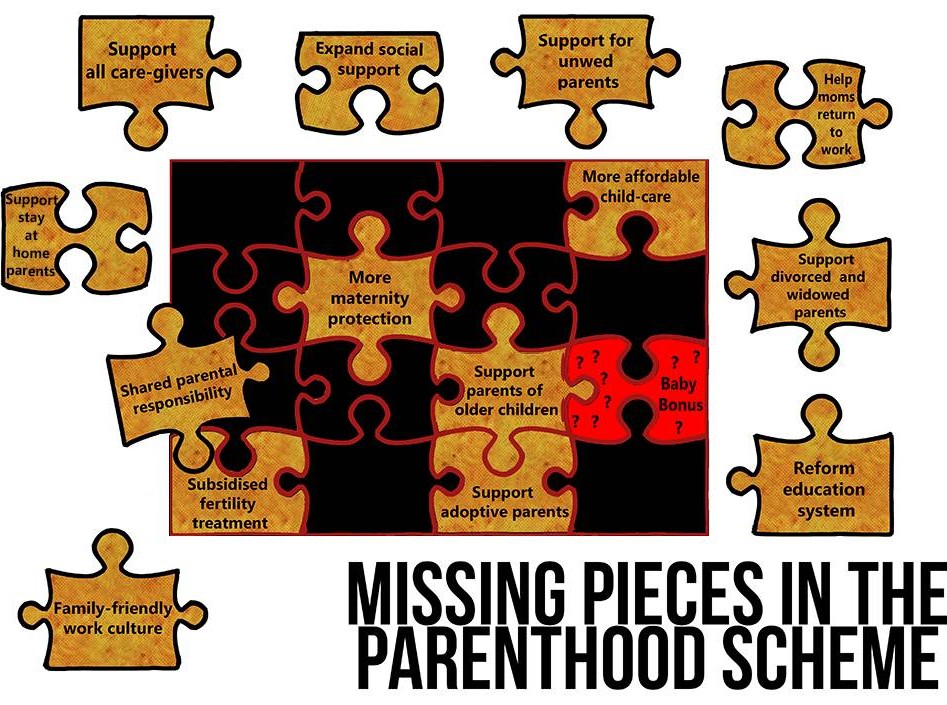
parenthood scheme jigsaw

Falling into place

The new M&P Package definitely shows encouraging signs of moving towards a more gender-equal and inclusive approach to care-giving, but bolder moves are necessary to change social mindsets about parenting.

The introduction of paternity leave is a positive step, but one week is not enough for dads to play a significant role in parenting. To lighten the load of working mothers and allow fathers to participate actively in childcare, paternity leave must evolve into a more substantial provision. A gender-equal approach includes helping moms return to work after childbirth, by providing job security and protecting them against discriminatory hiring practices.

And while the latest measures have expanded to include alternative modes of parenting such as adoption, we must broaden the definition of family beyond married parents, and the definition of care-giving beyond childcare, so that single, divorced, widowed or unwed parents and care-givers of elderly, sick or disabled family members all receive the support they truly need.

The move to heavily subsidise child and infant care services for middle and low income families gives us much hope that going forward, the State will adopt principles of equality and universality in place of individualised solutions and differentiated benefits.

As we cast a wider net to support parenthood, we must make sure that no family falls through the gaps.

The insights and recommendations in this article are heavily drawn from AWARE’s 2012 paper on Marriage and Parenthood Trends, submitted to the National Population and Talent Division. Read the full paper here.

Let’s call a rape a rape

By Wong Pei Chi and Jolene Tan

Media coverage and popular discussion of rape give disproportionate weight to concerns over false reports – to the point where the default response for many is to assume that a woman is lying if she discloses that she was a victim of rape or sexual assault. It is exactly this social norm that allows rapists to continue raping, because they know their victims will not be believed.

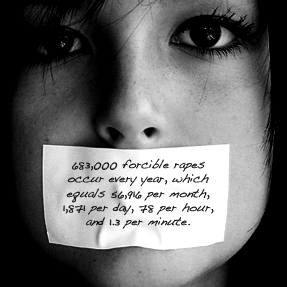
We refer to the recent letters expressing concern over false allegations of rape (“Fabricated rape claims exact heavy toll on men” by Mr Yang Jiwei; Jan 15) and marital rape (“Address issue of marital rape” by Ms Junie Loh, Jan 15; “Marital rape: Existing law is adequate” by Mr Amos Wu Pom Hin, Forum Online, last Friday; and “Marital rape: Existing law not ideal” by Mr Benjamin Joshua Ong, Forum Online, Tuesday).Stop-Rape

We agree that false allegations of any criminal offence – whether rape or otherwise – should be taken seriously.

However, as with any crime, rape investigations should proceed without suspicions regarding the victim’s credibility.

There is no evidence that false allegations of rape make up a significant percentage of the cases that are reported to the police.

Yet, media coverage and popular discussion of rape give disproportionate weight to concerns over false reports – to the point where the default response for many is to assume that a woman is lying if she discloses that she was a victim of rape or sexual assault.

It is exactly this social norm that allows rapists to continue raping, because they know their victims will not be believed.

It discourages victims from reporting to anyone, increases their difficulties and impedes justice.

The argument in support of Section 375(4) of the Penal Code, which treats marital rape as an exception to rape save in certain circumstances, is that “sexual relations are to be expected in a marriage”.

We agree, but consent should still be a pre-condition.

Where an individual regularly refuses to have sex with her spouse, some remedies the spouse or couple can seek include medical treatment, professional counselling or divorce, rather than to force the unwilling spouse to have sex.

Law enforcers and lawyers regularly examine evidence of rape in other contexts.

If marital rape immunity were entirely repealed, these agencies would just have to apply the same considerations to marital rape cases, which are currently automatically excluded regardless of the strength of evidence.

One example is the landmark case of PP v N, where the evidence led the court to conclude that the defendant had tied his wife up and forced himself onto her.

But despite incontrovertible evidence, the court could not convict the defendant of rape.

We agree with Mr Ong that it is crucial to call a spade a spade, or in this case, a rape a rape, whether it occurs within marriage or outside of it.

Wong Pei Chi is an AWARE Board Member and Jolene Tan is the Co-Founder of the No To Rape campaign. An initial version was first published in The Straits Times on 24 Jan 2013. Read the published version here.

Why No Benefits for Unwed Mothers?

 Access to childcare subsidies, motherhood benefits and housing benefits should be granted to all parents, without discriminating against unwed parents or stay-at-home parents. To build a truly inclusive society, our policies must evolve to embrace different types of families.

AWARE applauds the State’s decision to grant one week of government-paid paternity leave and convert one week of maternity leave to shared parental leave.

This is a milestone for Singapore as the State has resisted many past calls by civil society groups for paid paternity leave. It is also an important recognition that fathers have an important role to play in parenting and a response to Singaporeans’ demands for parenting leave to be given to fathers. In AWARE’s 2011 survey of 1,000 parents, 91% of respondents felt that paid paternity leave should be mandated. An overwhelming number of parents felt that caregiving responsibilities should be shared equally between men and women.

We are heartened that the Government has finally agreed to mandate paid leave for fathers. Our recent recommendations to the National Population and Talent Division (NPTD) on marriage and parenthood (July 2012), called for two weeks of paid paternity leave and one month of shared parental leave. We hope that, in time, the amount of leave for fathers will be increased to allow fathers to play an equal role in parenting.

Further, AWARE hopes that the State will reinforce the introduction of leave for fathers with education and awareness programmes, starting in schools, to promote active parenting by men and dispel misinformed stereotypes of fatherhood and manhood.

Extended Maternity Protection for Mothers

AWARE also celebrates the extension of maternity protection for expecting mothers to the whole duration of their pregnancy. This was a key recommendation made by AWARE to the NPTD and we congratulate the government for this amendment. In light of the cases received by AWARE’s Helpline between 2011 and 2012 from women unfairly dismissed in the first trimester of their pregnancy, we see this as a pertinent policy change.

Unwed Mothers Continue to be Excluded from Benefits

While we are glad to see more support being given to families, one of the most disappointing omissions was the continued denial of maternity and parenting benefits for the families of unwed mothers. These families, who most need the support, will continue to suffer.

The discrimination against unwed mothers is increased by the grant of more benefits to married couples under the new Marriage &Parenthood package.

The policy to deny unwed mothers also contradicts the current direction of the Government to reduce the gap between the rich and the poor and to give every child an equal start in life.

Access to childcare subsidies, motherhood benefits and housing benefits should be granted to all parents, without discriminating against unwed parents or stay-at-home parents. To build a truly inclusive society, our policies must evolve to embrace different types of families.

Future Directions

The experience of the Scandinavian countries shows that policies that promote gender equality and equal sharing of childcare burdens between men and women have a positive effect on the Total Fertility Rate and on families’ quality of life. We urge the Government to make gender equality a core value in all policies aimed at supporting families, and to build sensitivity to different family structures into policymaking. Policies should drive home the point that family management and parenting is a collective responsibility, while reassuring parents that their care-giving responsibilities will be supported by the larger society through better public infrastructure and a flexible work culture.