
Author: AWARE Media

Parliament Primer: Cultural shift needed for better birth rate?

The following are excerpts of debates on improving the fertility rate, childcare standards, and workplace policies for women, which took place during the July 9 & 10 sittings of Parliament.


Birth rates and singlehood

Lina Chiam asked about the (i) the birth rate among married couples; and (ii) the percentage of single Singaporeans over the past 15 years.

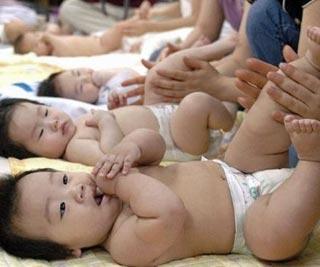
Teo Chee Hean: Singapore faces the challenge of declining birth rates. The last time that the resident Total Fertility Rate (TFR) was above the replacement level of 2.1 was in 1976. The resident TFR was 1.20 in 2011.

Ever married females are having fewer children over time. From 1996 to 2011, the average number of children born to ever-married citizen females aged 30-39 declined from 1.89 to 1.52. Over the same period, the average number of children born to ever-married citizen females aged 40-49 has declined from 2.32 to 2.06.
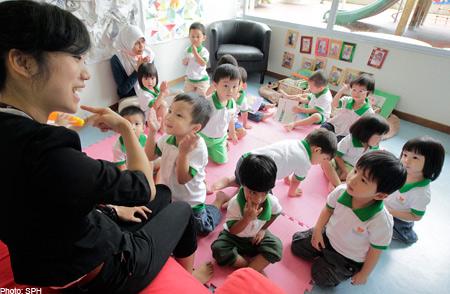
The proportion of single Singaporeans has been rising. Among Singaporean men aged 30-34, the proportion of singles rose from 35% in 1995 to 44% in 2011. Among Singaporean women aged 30-34, the proportion of singles rose from 21% in 1995 to 31% in 2011.

Promoting flexi-work arrangements

Mary Liew asked (a) whether the Ministry of Manpower has a record of the number of women employed under flexi-work arrangements; (b) if so, how many women under the rank and file category and the PME category are employed under flexi-work arrangements; and (c) how will the Ministry encourage employers to consider offering flexi-work employment to address the manpower shortage.

Foo Mee Har asked what enhanced measures are being considered to promote flexible work arrangements to (i) increase the availability of flexi-work for government employees with young, elderly and disabled dependants; and (ii) encourage more private companies to offer flexi-work options for professionals, managers and executives.

Tan Chuan-Jin: Flexible work arrangements are an important means for employees to manage both work and personal needs. Properly implemented, we believe that flexible work arrangements can improve employee engagement and enhance their sense of well-being and provide flexibility all round.

The provision of flexible work options also avails employers to a larger pool of potential workers who might otherwise find it difficult to join the workforce. This is an important point to emphasise. We do know that there are people, especially women after having the children, are looking to re-enter the workforce but are also looking for flexible work arrangements.

Given the tight labour market, we do encourage employers to consider adjusting the work arrangements to make it flexible so that you can attract a portion of Singaporeans to come back into the labour market. This can be mutually beneficial for both employers and employees.

To promote flexible work arrangements, the Government has in place a range of initiatives. This includes funding assistance schemes, such as the Work-Life Works! Fund, and Flexi-Works! Scheme, where employers receive Government co-funding when they put in place flexible work arrangements that would directly benefit their employees. These include professionals, managers and executives. More than 840 companies and their employees have benefitted from these two programmes so far, and we encourage more companies to participate and come on board.

Senior Parliamentary Secretary Mr Hawazi Daipi chairs a national Tripartite Committee (TriCom) on Work-Life Strategy to oversee initiatives to encourage and help employers implement flexible work arrangements. The TriCom has been working with the Employer Alliance, under the Singapore National Employers Federation (SNEF), to organise more fora and dialogue sessions to share effective work-life practices amongst employers.

The Employer Alliance is enhancing its Work-Life Tool Kit and developing more case studies to better help employers recognise the value of enabling work-life harmony for their workers, and at the same time, to implement flexible work-life strategies.

This year, the TriCom is also organising the Work-Life Excellence Award to showcase employers who have put in place good work-life practices and to encourage others to follow suit. And many of these practices are indeed practical and replicable across many of the companies.

In the course of the next two years, the TriCom will focus on fostering workplace cultures that support flexible work arrangements. One initiative that is currently being piloted is the Home-based Work and Smart Work Centres Project by IDA to take advantage of Singapore’s Next-Generation broadband network to facilitate working from home or from satellite offices. While the initiative is not targeted solely at professionals, managers and executives, this group will see more options opening up to them if the pilot proves successful.

While the Government will continue to promote and facilitate the provision of work-life arrangements, employers need to take the lead in implementation with the active support of their employees, as well as the unions. Employees and unions can also help the process by suggesting options and practical alternatives for the companies to take up.

We do not have comprehensive statistics on the number of employees who require and are currently employed on flexible work arrangements. Nonetheless, we are heartened that more employers are now offering work-life arrangements to their employees. For example, in 2010, 35% of establishments offered at least one form of work-life arrangement to their employees, which is up from 25% in 2007. We do foresee that this trend would probably continue.

As the largest employer in Singapore, the Public Service is taking the lead in offering flexible work arrangements to its officers. There are various schemes to help public officers better balance their work and personal needs, which can include looking after their parents, young children or dependants. Many agencies have both flexi-time and flexi-place practices that gives officers options in terms of how they carry out work alongside their personal needs.

The option of a reduced-hour work week is also available to officers who are not able to take on a full work load due to their personal commitments. These flexible working arrangements complement the range of childcare and parental care leave that public officers can tap on for their care-giving responsibilities.

The Public Service has also leveraged its Work-Life Network to build a culture of workplace flexibility. The Network meets regularly to share good practices and has fora and learning journeys to enhance capability in the area of flexible workspace.

In addition, the Public Service also provides resources to educate individual officers and supervisors on the new ways of work, and the responsibility and trust that needs to come about in order to implement flexible work practices successfully.

The fact of the matter is flexible work arrangements can work and has worked and we do encourage companies to take on board and to try these arrangements. This would go a long way in engaging the workforce at the same time, in encouraging more people to return to the workforce.

Mary Liew: I am also the Vice-Chair of the NTUC Women’s Committee. The NTUC Women’s Development Secretariat has been helping some 12,500 women over the past five years to rejoin the workforce.

We recognise that there is a tight labour market right now. Many of these jobs for the women are rank and file jobs. I would like to also add that increasingly, there are more demands for the PME jobs. We would like to ask the Minister of State what more can be done, together with the tripartite partners, to improve the situation.

Although we have been encouraging the companies but the take-up rate has not been as encouraging as we had hoped. I would like to ask if there are any further plans to look into providing a more holistic and flexible support for companies to provide more flexible work arrangements for workers including the PMEs and also to reduce the dropout rates from the workforce and to retain the women within the workforce.

Tan Chuan-Jin: We are quite open to suggestions and ideas about new initiatives that we can put in place to incentivise and encourage companies to go along this path.

We do note that in terms of trends, flexible work arrangements are increasing. For example, as mentioned, the public service in a quite significant way, has been embracing it, and trying to encourage it. It actually varies from sector to sector. A lot depends on the nature of the jobs, whether it allows for flexible work arrangements.

But we do believe that there is still a lot of scope. For example, we do know that in the F&B industry in the developed countries. There is a lot of part-time staff. And they surge the staff numbers during peak hours, for example, during lunch time and dinner time. That kind of flexible work arrangements encourages a lot of women to come back into the workforce, who are looking at coming back to work, but perhaps not looking at full-time work. We do not notice many companies embarking on those practices here.

We do believe that with the tightening labour market, we hope that that in itself, would incentivise companies to take that leap and to make that change. The transition, I think, is not easy.

Culturally, we have used to operating on a particular basis for a very long time. We find that along with other productivity efforts, there is sometimes a bit of inertia in moving along those lines. The natural process will come from the tightened labour market and companies would begin to explore.

What we really need to do is to actively promote this. We need to highlight companies that have successfully implemented these practices in place, so that other companies can realise that it is actually quite feasible and to emulate it and to try it out. We do not have any other particular initiatives right now.

We have put in place a number of programmes as highlighted earlier. We will be quite happy to take on board suggestions from Members of this House and from the public as to whether there are other measures can be put in place. My sense is that as the labour market tightens, and companies are beginning to feel the effects, I would encourage companies to explore, for those that can, flexible work arrangements for their staff.

Ang Hin Kee: For a start, will the Ministry consider having the public sector share the age profile and gender profile of all the employees as an effort to encourage the hiring of workers of all ages, all gender and the proportion share of the flexi-work arrangement in the workforce?

Tan Chuan-Jin: I do not have the specific figures with me but that is something that I can check on, and revert to you on it.

Patrick Tay: Are there any targets set by his Ministry in the number of employers embarking on flexible work arrangements for employees who are parents?

Tan Chuan-Jin: We do not have a specific target per se. What we are tracking are the trends and what we do note is that the numbers are increasing. The percentage of companies that are participating is increasing, and that is something that we are encouraged by, and we continue to do as much as we can to get as many companies on board as possible.

Encouraging higher birth rates

Lee Bee Wah asked whether, in light of the possibility that Singapore’s population will shrink from 2025 if we do not have new citizens, (a) there is any lesson that can be learnt from the European and Norwegian countries in the way they manage their population growth; and (b) whether other measures are looked at to encourage higher birth rates.

Intan Azura Mokhtar asked if there are plans to enhance the baby bonus scheme or other plans to help improve the total fertility rate of Singaporeans.

Teo Chee Hean: Many European countries are addressing their population challenges by pursuing a mix of pro-parenthood and immigration policies. Nordic countries such as Sweden, Denmark and Norway have relatively high Total Fertility Rates (TFR) of between 1.88 and 1.98. These countries have a broad array of pro-parenthood measures such as good childcare systems, generous leave provisions and financial support for child raising costs. We have been studying their policies in the course of developing ours.

Pro-parenthood measures may vary across countries due to differing cultural and socio-economic conditions. The Nordic countries have higher Government spending on pro-parenthood measures, but they also have significantly higher tax rates. The personal income tax rates in the Nordic countries range from 29% to 63%, and most people pay income tax there, compared to Singapore’s personal income tax rates which range from 3.5% to 20%. In fact, most Singaporeans do not pay income tax because the income level at which our income tax kicks in is quite high.

The total fertility rates vary between different countries. I mentioned that in Sweden, Denmark and Norway, the range is between 1.88 and 1.98. Among other European countries, such as Germany and Italy, they vary between 1.39 and 1.41. Germany is 1.39, Italy is 1.41. The US has a TFR of 1.93. So it is not so easy to relate directly the policies or the amount of expenditure to the TFR because there are many other factors at work.

There is one observation, though, in the Nordic countries which do have a higher TFR of 1.88 to 1.98. A high proportion of births are to women who are not married to the father of the child. This is one main difference between their TFR and those of other countries at similar levels of development.

Based on OECD reports, out-of-wedlock births made up about half of all births in Sweden, Denmark and Norway in 2010. In contrast, Asian societies, including Singapore, continue to value having children within the context of marriage. Creating a supportive environment for Singaporeans to form families and raise children remains a key Government priority.

Over the years, we have significantly enhanced our Marriage and Parenthood package, and currently set aside $1.6 billion per year for a broad range of measures. These include: Support for singles to find their life partner; Baby Bonus cash gift and co-savings to help parents defray the costs of child-raising; maternity and childcare leave provisions to help parents balance work and family life; as well as measures to improve the quality, affordability and accessibility of childcare options.

Since 2001, the parents of around 350,000 children have benefitted from these measures.

We have also invested heavily in areas such as education, healthcare and security, in order to make Singapore a good place for families. There are, of course, housing subsidies as well for first-time homeowners to encourage them to set up their own home, and these are not included in the $1.6 billion that I mentioned earlier for the Marriage and Parenthood package.

We are reviewing policies and measures to support marriage and parenthood, taking into account public feedback and the experiences of other countries. Over the next few months, we will be engaging various stakeholders to discuss new ideas as well as enhancements to existing measures. We welcome views and suggestions from the public on how we can improve Singapore’s birth rate.

However, we need to recognise that relying on Government measures alone would not raise Singapore’s birth rate, as getting married and having children are very personal decisions that reflect broader social values and attitudes. To support and encourage Singaporeans, we will need to strengthen Singapore’s pro-family environment, where employers, family members and society-at-large all have a part to play.

Lee Bee Wah: Definitely we are not encouraging more births out of wedlock. A good childcare system is very important. I would like to ask the Deputy Prime Minister would there be more support given for childcare centres because there is a lot of feedback that there is insufficient childcare centres, and also the fees have gone up tremendously over the last few months.

Teo Chee Hean: Childcare is one of those issues which have consistently been identified by young parents as an issue, which if we could make more accessible, more affordable, would be helpful to them.

There are already currently childcare subsidies. The Baby Bonus is there and it can be used for that. The Child Development Account is also used by many of the parents to help to defray the cost of childcare. In fact, childcare is one of the main ways in which the Child Development Account is used today. But we are looking at this issue again to see whether there are areas that we can improve on.

Intan Azura Mokhtar: Will the Prime Minister’s Office (PMO) consider extending paid maternity leave, or better still, having paid parental leave, for both mothers and fathers? Because if you look at the Nordic countries, or even the European countries, such as Germany, Sweden and Norway, their paid parental leave is more than 40 weeks for both parents compared to our 16 plus three days.

Teo Chee Hean: The Member is talking about parental leave, not maternity leave? Maternity and parental leave – yes. The last we looked at maternity leave, we were very careful because there was also another group of persons who were very concerned that this would impact upon the employability of women. That was a fairly large area of concern.

We wanted to make sure that we did not, through making maternity leave provisions more generous, impact on women being employed – as a result of which it would be harder for women to be employed. That is not what we want to have happen as well. And that is why we have this balance where the one additional month of the maternity leave is actually paid for by the Government.

We are open to ideas on how this can be done and I do support having some signal and some practical measures in which men are encouraged to take on a greater role in parenthood and being a present parent rather than a sort of parent from a distance.

Lina Chiam: I would like to ask a very controversial question to the Deputy Prime Minister. Would he consider “Baby Drop”, since Malaysia is doing that and we are having this population problem of not having enough babies? And since the child is born from God’s love and not the fault of the parents, is it possible that the Deputy Prime Minister would consider a “Baby Drop” for Singaporeans to drop their babies off in cases where the child is born out of wedlock?

Teo Chee Hean: I think this is – as Mrs Chiam says – a controversial area. We must be very careful when we implement such measures whether or not we end up inadvertently encouraging unwanted pregnancies and births, and causing greater problems as a result. So I think we need to be very careful about this.

Janice Koh: My supplementary question is with regards to the strategies that Singapore employs. Irrespective of marital status, just looking at a whole country’s statistics, can Singapore not continue to model after the Nordic countries in terms of employing strategies that could also work in Singapore? Irrespective of how we calculate the statistics, whether it is birth out of wedlock or within the family context?

Let me re-phrase. We have been talking about the statistics, comparing the Nordic countries and Singapore, and how the main difference is in calculations. I mean the Nordic countries count out-of-wedlock births as legitimate births, whereas in Singapore we are looking at encouraging baby-making within the family structure. What I am trying to say is can we not look at models across the board and strategies that have worked in Nordic countries in any case?

Teo Chee Hean: Yes, we are certainly looking at that, but we have to be very careful. I raised the issue of marriages out of wedlock only because we have to be careful about how we implement the measures. There may be collateral side effects. There are major cultural differences.

When we look at the urbanised East Asian societies – Japan, Taiwan and Hong Kong – they also have low fertility rates. They have also tried measures of various kinds. While we will certainly look at all these measures, we have to be careful of the collateral side effects, the unintended side effects on our society. And we also have to be realistic about what we can achieve.

Seah Kian Peng: My first proposal concerns a group of people who want to have children but for various reasons are unable to. IVF – can we do more for them? I know we are already extending some subsidies. Could these be further increased because this is the group of couples who want to have children?

My second supplementary question is something very uncontroversial. It is relating to paternity leave. I have argued several times in the House, I have been pushing to legislate paternity leave. I recognise the other angles, the business costs of it. But I think we should make a start somewhere, and legislating it even for as short as one day. It is an important signalling effect from the Government.

After all, all of us recognise that parenting is a shared responsibility by both the mother and the father. Having talked to many residents, young couples, many of them have cited that paternity leave is something that is important to the family. I believe it is an important that to push and allow our TFR to go up. I hope the Deputy Prime Minister would consider these two suggestions.

Teo Chee Hean: I know of Mr Seah’s work in the area of families, and also particularly fatherhood, and I appreciate it very much. And these are all ideas which we will take into consideration.

Workfare Income Supplement (WIS) for grandparent childcare-givers

Intan Azura Mokhtar asked if the Ministry of Manpower will consider extending the Workfare Income Supplement to grandparent caregivers who help look after their grandchildren and hence reducing the need for childcare services or help by foreign domestic workers (FDWs).

Tharman Shanmugaratnam: It is very encouraging that many older Singaporeans care for their grandchildren while their parents are away at work. This is a reflection of our strong family ties, and is also a good way for older Singaporeans to keep active.

Measures like the Grandparent Caregiver Relief, which is a $3,000 tax relief, given to working mothers, provide recognition for grandparents who play the role of caregiver and help the mothers take care of their children.

The objective of the Workfare Income Supplement (WIS) scheme is different. WIS was designed to supplement the incomes and CPF savings of lower-income Singaporeans, and to encourage them to enter and remain in the labour market.

Allowances received for carrying out family support roles such as babysitting and care-giving for dependents are considered transfers within the family. They are not external sources of income derived from employment, and hence it would not be appropriate to consider these transfers for WIS.

Employment of female employees who are pregnant

Intan Azura Mokhtar asked if the Ministry of Manpower will consider making it mandatory for employers to continue employing female employees who are pregnant, throughout their pregnancy, and not just within six months before the birth of their child.

Tharman Shanmugaratnam: The Government does not condone the discrimination of female employees due to their pregnancy or maternity. The Employment Act (EA) today already allows any employee, including female employees in any stages of pregnancy, to appeal to the Minister for Manpower if they feel that they have been unfairly dismissed. If the Minister finds that the employee has been dismissed without just cause, he may then reinstate the employee or order compensation to be paid to her.

Recognising that some employers may be tempted to dismiss their pregnant employees before their due date, the EA further requires an employer who dismisses a pregnant female employee without sufficient cause within the last six months of her pregnancy to pay her the maternity benefits that she would otherwise be entitled to under the Act.

While the Government protects pregnant female employees against unfair dismissals, we must also be mindful that employers will be less inclined to hire women of childbearing age if we over-prescribe the protection of pregnant employees in our laws. This ultimately affects the employability of a wider group of workers.

MOM last reviewed the protection for pregnant female employees in 2008, when we extended the protection period for female employees from the last three months of pregnancy to the last six months of pregnancy. In our current review of the Employment Act, we are consulting our tripartite partners on whether there is scope to further extend the protection period, without compromising female employability.

At the same time, we acknowledge that legislation cannot be a complete solution to achieve fair employment outcomes. We need to work with our tripartite partners to change mindsets and ensure that we build an inclusive society that recognises fair treatment and equal opportunities. To this end, MOM has been working closely with employers and unions through the Tripartite Alliance for Fair Employment Practices (TAFEP) to promote fair, responsible and merit-based employment practices.

Suggestions on marriage & parenthood trends

The following are excerpts from a submission of policy recommendations made by AWARE to the National Population and Talent Division. Read the full submission here.

In response to the National Population and Talent Division (NPTD)’s invitation for public feedback on improving Singapore’s birth rate, AWARE has submitted our recommendations for population-related policies that pertain to Singapore’s Total Fertility Rate (TFR) and measures to encourage parenthood.

TFR and parenthood are issues that are inextricably linked to perceptions about the quality of life in Singapore. If citizens do not have a sense of well-being and security, they will not be inclined to take on additional responsibilities of parenting and caregiving. It is therefore necessary to address all policies that affect our citizens’ quality of life, including those on education, health, housing, employment and retirement.

The following are some of the recommendations that we have submitted to the NPTD:

Approach the TFR issue holistically

If the issue that we are concerned about is that of an ageing population and shrinking workforce, it may not be cost – effective to try to reverse the declining TFR. The TFR has been below replacement since 1975, despite the numerous schemes and incentives offered to individuals. Studies indicate that increasing the TFR from 1.2 to 1.85 (a highly ambitious target) will only ameliorate the situation marginally.

The State should consider alternative solutions that are more cost- effective in ameliorating the issue of an ageing population and shrinking workforce. Utmost priority should be given to maximizing the latent talent we have in Singapore by:

  • Ensuring that children are not prematurely excluded from our talent pool before they receive adequate education
  • Providing more supportive conditions of work and life so that women who leave the workforce to be caregivers are able to return later

Prioritise gender equality

Current state policies, such as the 16-week mandatory paid maternity leave and no mandated paid paternity leave for fathers, place issues of fertility firmly in the realm of women. This model perpetuates a familial form that is premised on the traditional role of men as breadwinners and women as caregivers, and is neither realistic nor fair, given the aspirations and talents of our well-educated women and men.

  • Make gender equality a core value in all policies aimed at supporting families, and dispel gendered stereotypes about parenting roles
  • Legislate at least two weeks of paid paternity leave, with the cost shared between the employer and the State.
  • Convert four weeks of the 16-week maternity leave to parental leave to be taken by either spouse.

Provide more support for all types of families

The State has addressed the issue of care-giving at the level of individual families – for example, offering maternity leave, baby bonuses, tax reliefs and the choice to hire domestic help – rather than at the public level, i.e. providing universally accessible childcare support in various forms to all families. To build a truly inclusive society, policies should not differentiate between citizens along socioeconomic or other lines.

A more inclusive approach should consider:

  • Facilitating flexible working arrangements and support from employers for a healthy work-life balance
  • The expansion and improvement of childcare facilities
  • The provision of more anti-discrimination protection for mothers in the workplace, particularly with regards to the unfair dismissal of pregnant women

Fairer distribution of benefits and support

  • Review the current overarching policy that limits the definition of family to married parents.
  • Widen access to childcare subsidies, motherhood benefits and housing benefits to include all mothers, without discriminating against unwed mothers.
  • Discard the Parents Tax Rebate and Working Mothers Child Relief policies that are biased in favour of working mothers (but not stay-at-home mothers) and higher-paid working women.
  • Grant rights of citizenship to foreign mothers of Singaporean children so that their families are able to remain intact. This is increasingly significant; in 2008, around 30% of all Singaporean children had one non-citizen parent, an increase from about 22% in 1998. Seventy percent of these had non-citizen mothers.

Provide more support for women who want to have their children later

The declining TFR has been attributed to people getting married later. But even if declining TFR is caused by later marriage, given the high cost of living, the emphasis on education and work, and the national ethos to be self-reliant, it may not be possible or cost-effective to try to reverse this trend.

AWARE urges the State to support and promote the use of technologies that enable older women to have babies. Increase the subsidies for in-vitro fertilization and maintain the same level for subsidy for subsequent treatments. Such support is extremely targeted at women who desire to have kids and who need this financial support as in-vitro treatment is expensive.

Read the full text of our submission here.

Rethinking the Muslim marriage contract

A seminar on ‘Rethinking the Muslim Marriage Contract’ was held on April 14, 2012, at the National University of Singapore (NUS). This event was co-organised by AWARE, Leftwrite Centre LLP, and the National University of Singapore’s Department of Malay Studies and the Faculty of Arts and Social Sciences (Religion Cluster). The following is a summary of the discussion.

By Nadzirah Samsudin 

This seminar focused on the need to go beyond basic stipulations in the traditional marriage contract so as to better protect the rights of women entering a marriage. The seminar also explored possibilities for a better understanding of the marriage contract as a bilateral agreement between the man and the woman upon entering a marriage. It also highlighted the distinction between jurisprudential formulations (fiqh) – which can be subjected to change and revision – and the demands of justice stipulated as shari’a or God’s law.

Presentations were made by:

1. Kyai Haji Hussein Muhammad, founder-director of Fahmina Institute, Indonesia

2. Ziba Mir-Hosseini, Professorial Research Associate, Centre for Middle Eastern and Islamic Law, University of London

3. Halijah Mohamad, practising family lawyer and former Vice-President of AWARE

The seminar ended with a panel that brought together these 3 speakers, as well as Vivienne Wee, (Research and Advocacy Director, AWARE) and Suriani Suratman (Senior Lecturer at the Department of Malay Studies, NUS).

KH Hussein Muhammad spoke first on ‘The Need to Reform Muslim Thought on Gender’. A leading feminist scholar, he advocates for an interpretation of Islam that is shaped by the ‘ideals of universal human rights’, based on Al-Kulliyat al-Khams (the 5 Universal Principles):

1. Hifzh al-Din (Protection of the freedom of beliefs)

2. Hifizh al-Nafs (Protection of life)

3. Hifizh al-‘Aql (Protection of the intellect)

4. Hifzh al-Nasl (Protection of production rights)

5. Hifzh al-Mal (Protection of the property)

In his opinion, an interpretation based on these principles would be compatible with the Universal Declaration of Human Rights (UDHR) and the Convention on the Elimination of All Forms of Discrimination Against Women (CEDAW).

He also raised the distinction between ‘what is fixed’ and ‘what can be changed’ in Islam — namely, the difference between syariah and fiqh.

The former is understood as revelation, and thus unchanging; while the latter is considered ‘the science of Islamic jurisprudence’, which is constantly reinterpreted according to the lived reality.

This distinction was also raised in Ziba Mir-Hosseini’s presentation on ‘Man as Protectors and Providers: The Unmaking of a Legal Fiction’. She stressed the need to make the following distinctions:

• Between Ibadat (ritual/spiritual acts that regulate relations between God and the believer) and mu’amalat  (social/contractual acts that regulate social relations and remain open to rational considerations and social influences)

• Between Islam (as religion) and Islamism (as political ideology).

Knowing such distinctions is crucial for understanding the interactions between theology and politics, providing a basis for discerning those interpretations of Syariah that are politically motivated to serve certain interests, including patriarchal interests.

Ziba Mir-Hosseini also discussed the issue of different interpretations of terms and verses in the Quran and how such interpretations may be motivated by different political and social interests.

One such example is verse 4:34 of Surah  An-Nisa, which begins with this statement: “Men are qawwamun over women.” This is the only place in the Quran where the term qawwamun (protectors/maintainers) is mentioned. Yet this one mention is used as the linchpin of male authority.

Mir-Hosseini pointed out that there are other verses about marriage that use terms such as ma’ruf (good way, decent) and rahmah wa muwadah (compassion and love). But these are ignored. Instead of even-handed attention to all Quranic injunctions on marriage, the one mention of qawwamun in verse 4:34 is disproportionately emphasized as the foundation for the legal construction of marriage.

This has led to the construction of qiwama (protection/maintenance) as a legal fiction in Muslim family laws, although this generic term does not appear in the Quran at all.

Furthermore, this legal fiction is used with reference to marital dispute and how to deal with it. But scant notice is taken of the mention that the Prophet never beat his wives or the subsequent verse 4:35, which urges that representatives from his and her families be brought together for the reconciliation of a married couple in dispute.

Halijah navigated us through Singapore’s legal system for Muslim marriage and divorce, shedding light on the husband’s unilateral right to divorce. She pointed out that the marriage contract actually provides an avenue to redress this unequal marital power. Both husband and wife are allowed to insert taklik (negotiated terms) in the marriage contract to set conditions for divorce.

The panel discussion began with Vivienne Wee’s presentation on ‘Muslim contexts in time and space’, which provided a historical overview of Muslim contexts and the rise of political Islam. Afterwards, the question-and-answer session revolved around issues of polygamy and the balance of power in such marriages; the need for capacity and knowledge building; and the need for more constructive dialogues, especially between the ‘progressives’ and ‘conservatives’.

The seminar was an eye-opener for many participants, providing valuable information for follow-ups, as well as a whole new discourse on gender and Islam. The relationship between feminism and Islam has to be explored further, not only in relation to marriage and family but also on inheritance.

It is important to have safe spaces to discuss such matters. Perhaps a point raised during the discussion may be relevant: To remain silent is to side with oppression; we are in this world because of amanah (free will), which has been entrusted to us as human beings.

The writer is AWARE’s Research & Advocacy Executive.

AWARE’s concerns about the Voluntary Sterilisation Bill

AWARE Comments on the Proposed Changes to the Voluntary Sterilisation Act.

AWARE welcomes the Ministry of Health’s aim to better safeguard the sexual and reproductive autonomy of persons with intellectual or developmental disabilities, with its proposed amendments to the Voluntary Sterilisation Act.

Enacted in 1974, the Voluntary Sterilisation Act (VSA) legalised sexual sterilisation for non-medical reasons in Singapore as part of the nation’s family planning programme. It required consent from the person undergoing sterilisation before such treatment could take place, but allowed the parents or spouse of persons with hereditary illnesses, intellectual or developmental disabilities, or health conditions such as mental illnesses or epilepsy to consent to sterilisation on their behalf.

Last month, the Ministry of Health released its Draft Voluntary Sterilisation (Amendment) Bill, which aims to align the VSA with the Mental Capacity Act (2008) and the United Nations Convention on the Rights of Persons with Disabilities, which Singapore will be signing later this year. AWARE submitted its feedback on these proposed changes to MOH as part of the public consultation that ended on Monday.

According to the Mental Capacity Act, a person with a disability or heath condition should not be assumed to lack mental capacity, which is the ability to make a specific decision at a particular time. Rather, people are assumed to possess mental capacity until it has been established otherwise. In order to align the VSA to the Mental Capacity Act, the Ministry wants to change the law to say that all those who possess mental capacity need to personally consent to sterilisation before the procedure can be carried out on them. This is a step in the right direction, as it means that someone with a hereditary illness, for instance, will be able to make her own decision on undergoing sexual sterilisation. 

However, AWARE is concerned that the proposed amendments do not adequately protect people – especially women and girls – who lack mental capacity and are therefore considered unable to consent to sterilisation. For these members of society, the Amendment Bill does not offer adequate protection against treatment for sterilisation that may not truly benefit them. Besides requiring approval from a medical practitioner, decisions to sterilise these women and girls only require the consent of one parent. Where the woman or girl does not have any parents, it is the guardian who consents; where the woman is married, only the consent of the spouse need be obtained.

Sterilisation is a highly intrusive procedure that results in the irreversible termination of a person’s reproductive function. It often has profound physical and psychological effects on a person. Intellectually disabled women and girls face greater discrimination and violence than other women, and the United Nations has noted that non-consensual sterilisation is one of the ways in which the bodies of women and girls with intellectual disabilities are violated.

Sterilisation is usually rationalised to be in the “best interests” of women or girls with intellectual disabilities. However, the reasons given often simply have to do with “social convenience” such as menstrual management, hygiene or to prevent pregnancies. Historically, many women and girls with disabilities have also sterilised in the name of eugenics.

Given the seriousness of sexual sterilisation, AWARE is deeply disturbed to find that the Amendment Bill offers intellectually disabled people lower standards of protection when it comes to sterilisation than the Mental Capacity Act does for less weighty decisions, such as managing their finances. AWARE queries why the extensive safeguards provided under the Mental Capacity Act for persons who lack capacity were not fully adopted in the Amendment Bill, since the stated intent of the amendments is to align the VSA with the Mental Capacity Act.

AWARE is also concerned that the Amendment Bill provides insufficient protection to minors. The existing law, as well as the Amendment Bill, allow persons under 21 to consent to sterilisation for non-medical reasons, provided a parent, guardian or spouse also consents. However, it is doubtful to what extent minors, especially those who are younger, are able to understand the concept of sexual sterilisation. As it stands, a number of countries either have a minimum age where persons are considered capable of consenting to sterilisation, or require a court order before a minor can be sterilised.

In its submission, AWARE made a few key recommendations:

  • Voluntary sterilisation decisions should be brought under the Mental Capacity Act.
  • In relation to the sterilisation of minors, there should be a minimum age at which minors are deemed capable of giving consent for sexual sterilisation (together with her parents/guardian). A court order or independent committee decision should be required for minors below this age.
  • We believe that the decision to sterilise a person who lacks capacity (because of age or mental condition), except in emergency situations where the life or health of the person is threatened, should be made by a court of law or an independent committee.
  • Sterilisation should only be considered when less restrictive options are not available or have been exhausted. It should not be carried out for non-therapeutic reasons such as contraception.
  • More social support, respite care and training should be provided to the caregivers of persons with intellectual disabilities, including the management of their sexual and reproductive functions (such as menstruation), so that sterilisation is not seen as a method of care management.

AWARE has requested a meeting with the Ministry of Health to discuss these issues.

To download AWARE’s submission on the Draft Voluntary Sterilisation (Amendment) Bill, please click here.


The protection of identities in the criminal process

Transparency in court cases is conducive to accountability. However, the provisions for discretionary and compulsory anonymity can sometimes serve a greater interest.

By Michael Hor

The recent media excitement over several criminal prosecutions involving a sexual element has created some discomfort in some quarters over how such cases should be handled in terms of protecting the identities of the people involved.

While it will be improper to talk about particular proceedings which have not yet been resolved with finality, it might be opportune to reflect on the broader tension at the heart of calls to expand the law and practice of identity protection.

First, a brief description of the law. There are general provisions vesting wide discretion in the trial court to enforce anonymity if there is “sufficient reason” to do so – section 7 of the Subordinate Courts Act is an example.

Specific to sexual offences, section 153 of the Women’s Charter prescribes compulsory anonymity where a female victim of a sexual offence is below 16 years of age. Where she is between 16 and 18, the court has discretion whether or not to conduct the trial in camera – where observers and journalists are excluded.

But in all proceedings concerning a sexual offence, and whatever the age of the complainant, and whether or not the trial is conducted in camera, there is a compulsory “gag” on the publication of material which might lead to the identification of the complainant. Section 153 of the Women’s Charter, it ought to be noted, applies only to specified sexual offences – essentially serious offences like rape, outrage of modesty and the like.

While these provisions do not technically bind the police from disclosing information before the trial, it stands to reason that in a situation where anonymity is compulsory, the police are under an obligation not to reveal information which might contradict the anonymity which would be enforced should the matter come to trial.

The difficulty here is with respect to discretionary anonymity – for the police might not be able to predict with certainty how a court would subsequently regard the matter. The fact remains that there are no clear rules which govern police disclosure or non-disclosure before a trial. Our law does not seem to contain a constitutional right to privacy which one might hold up against perceived wrongful or inappropriate disclosures by the police.

Questions have been raised about what is to happen to women who might be at least partial ‘victims’ of sexual aggression which does not fall within one of the offences listed in section 153 of the Women’s Charter. One can think of a situation where a female subordinate is blackmailed into ‘consensually’ having sex with her employer.

The offence of extortion (which now includes blackmail) is not listed in the Women’s Charter, and in such a case, the woman would not enjoy compulsory anonymity. It is possible to persuade a court to exercise its general discretion to confer anonymity, but there is no guarantee that a court will do so. One might then ask why section 153 should not be expanded to include situations like these.

Whether it is an issue of amending the statute to broaden its reach or a matter of discretion for the trial court to order anonymity, there is a fundamental clash of public interests which cannot be easily resolved.

From the viewpoint of preserving the integrity of the criminal process, there can be no doubt that the public interest is in upholding the principle of an open trial. Transparency and publicity is believed to be conducive to accountability, and serves the valuable function of allowing justice to be seen to be done. The point can be obliquely but effectively illustrated by the massive misgivings accompanied by use of the Internal Security Act.

Nonetheless, the provisions for discretionary and compulsory anonymity represent a governmental determination that in some situations we have to bear with the necessary evil of a closed trial in order to pursue a greater interest.

In the context of sexual offences specified in section 153 of the Women’s Charter, the overriding interest is in preserving the anonymity of the complainant. If her complaint is vindicated at trial, then anonymity would spare her the additional trauma of the whole world knowing that she has been a victim of a sexual offence. Even if it is not, there are still interests to be protected – her allegations may still be factually true, but the inherent uncertainties of a criminal trial meant that there was an acquittal.

More importantly, future genuine complainants may well be deterred from ever revealing the violence done to them if they have to contemplate the possibility that the prosecution might, for some reason, fail. This also explains why anonymity is preserved even if the accused is acquitted. The case for anonymity is only stronger in the case of younger complainants below the age of 16 – the requirement for them is not just a gag on publicity, but of trials in camera as well.

Returning to the issue of extending anonymity to our blackmailed ‘victim’, there is no clear-cut answer. There are trade-offs either way. One might reasonably feel that the case for anonymity for such a person, though weaker, perhaps because there is an element of consent, is nonetheless sufficiently strong to deserve protection.

Yet it must not be forgotten that every extension of anonymity made is at the same time an erosion of the principle of a public, and hence fair, trial. It is incumbent on all parties concerned to be cognizant of the costs involved in the ranking of the advantages of anonymity over those of publicity, and vice versa.

Some are also uneasy with the ‘one-sidedness’ of the anonymity provisions. Why, it is sometimes asked, is the same exception of anonymity not accorded to the accused person? One could imagine a system where the identity of those accused of a sexual offence is kept secret pending the outcome of the trial – if he is found guilty, then his name can be revealed; if not, it is to remain secret.

There is much to be said for this strategy of contingent anonymity. It is common experience that even those who are acquitted of a sexual offence might not be able to shake off the suspicion that they were in fact guilty but got off fortuitously. Such an exception to the principle of an open and public trial comes with a cost – not so much from the point of view of the accused, but from the perspective of public interest in an open criminal process.

There is also the problem of where to draw the line. Should the policy of contingent anonymity be only for sexual offences or for all other offences as well? Suspicions of guilt can linger even after an acquittal for corruption and charges of dishonesty, as for sexual allegations.

There are no easy answers. Any solution involves trading off one set of interests for another. That does not mean we should be stung into inaction, but into a careful appraisal of the profit and loss account, as it were, of each alternative strategy.

In my view, the long-term answer lies not in rules regarding anonymity but in public education. There is prejudice which irrationally surrounds victims of sexual offences. Victims are loath to have others know. The “logic” seems to be that there is some sort of shame associated with being the victim of a sexual offence. That of course is nonsense and those who continue to hold such a view ought to be educated otherwise.

The second is the seeming ambiguity that surrounds an acquittal. Not too long ago, some of the highest legal officials of the land seemed to have locked horns over its meaning. One view is that an acquittal does not mean that the accused person is necessarily innocent factually – for example, he or she might still be in fact guilty, but the prosecution was unable to amass proof beyond reasonable doubt. The other is that an acquittal means innocence in the eyes of the law, and nothing else.

There is an element of truth in both views. While an acquitted person may still be factually guilty of committing an offence, that fact cannot be used against him – and so we are to treat the acquitted person as we would one who was never charged. We sometimes cannot prevent feeling what we feel, but we can all chose to act in a principled manner, even when we don’t feel like it.

Unfortunately, both prejudices are deep and unlikely to be eradicated in the near future. This means that the reasons for protecting the identities of those involved in exceptional circumstances are likely to remain, and with it the need to continue to think about exactly what these circumstances should be.

The author is a Professor at the Faculty of Law, National University of Singapore, where he has taught and researched criminal law and processes for more than 20 years.

Parliament Primer: The futility of boosting fertility?

The following are excerpts of debates on Singapore’s fertility rate, childcare facilities, adoption leave, maintenance payment, and foreign domestic workers, which took place during the April 9 and May 14 sittings of Parliament.

FERTILITY

Denise Phua asked about (a) the impact of the Total Fertility Rate (TFR) on the future of Singapore if it continues to remain low; (b) the level of awareness among Singaporeans of the impact of low TFR and how this level of awareness may be raised; (c) the measures is the Government adopting to mitigate the negative effects and challenges of the low TFR; and (d) the Government’s efforts to engage Singaporeans on this significant issue.

Teo Chee HeanSingapore’s Total Fertility Rate (TFR) in 2011 was 1.2, and our TFR has been below the replacement level of 2.1 since 1976. This means that as a society, we are having fewer children than needed to replace ourselves. At current birth rates and without immigration, our citizen population is projected to start shrinking by around 2025.

With fewer Singaporeans being born, our citizen population will also age rapidly. The median age of our citizen population today is 39 and it will rise steadily to 47 years in 2030. By 2030, the number of elderly citizens, that is, those aged 65 and above, will triple to about 900,000, but they will be supported by a smaller base of working-age citizens aged between 20-64 years old.

By 2030, there will only be 2.1 working-age citizens to each elderly citizen, as compared to 6.3 today; so one-third. This will place greater pressure on the citizen population in the working ages, not just in the household, but in society as well as economically.

These challenges, while serious, are not insurmountable. The Government has also invested heavily in education, healthcare and housing to ensure that Singapore remains a good place to get married and raise children. We have been making significant investments in supporting marriage and parenthood; in monetary terms, from $500 million per year in 2001 to $1.6 billion a year since 2008.

The Marriage and Parenthood package comprises a broad range of measures, such as the Baby Bonus, maternity and childcare leave, infant care and child care subsidies as well as tax benefits for parents. And we will continue to fine-tune our policies and measures to support and encourage Singaporeans in this regard. Apart from policy incentives, we will also need to foster a social climate that supports family life.

Beyond supporting marriage and parenthood, the Government has stepped up efforts to raise productivity and encourage more Singaporeans to enter the workforce, to expand the potential of our small local workforce. We are also putting in place measures that ensure that older Singaporeans can look forward to an active, fulfilling and secure future.

This year, the National Population and Talent Division in the Prime Minister’s Office has commenced engaging Singaporeans on population issues, including our low birth rates, and how we can overcome these demographic challenges together.

We will share relevant information about our population challenges, like the Occasional Paper on Citizen Population Scenarios released by NPTD last month, to facilitate discussions, such as those which took place at the Institute of Policy Studies seminar just a couple of weeks ago.

We will take into account the concerns and aspirations of Singaporeans in the White Paper on Population to be released by the end of the year. Through this process, we hope to engage Singaporeans and develop a shared understanding of our strategies to build a sustainable population that secures Singapore’s future.

Denise Phua: Since financial incentives do not seem to work that well and our TFR had remained fairly low, I would like to find out a little more about promoting this social climate that Deputy Prime Minister is talking about. Sharing with the population the merits of having children and the joy of family and children: is that part of the strategy that can go beyond just the current package of incentives? What currently are your thoughts on this?

Teo Chee Hean: Well, certainly encouraging people to appreciate family, marriage, having children, having a good family life and the joys of family life: I think those are the things which you can see the Government has been trying to do. You will see from time to time advertisements, nice advertisements and so forth. You will see in the community all kinds of family life activities to encourage family bonding, to enjoy family life.

But, this is not one of those things which the Government is necessarily the best at doing. So we would hope that many more members in the community, NGOs and community groups, will also step up and encourage the joys of family-hood and parenthood.

Lee Bee Wah: I would like to ask the Deputy Prime Minister whether he would consider giving more help to those families with, perhaps, three children or more. Some of my residents propose giving more help in childcare for those with three children or more, or during Primary 1 registration.

Teo Chee Hean: Many of our schemes for encouraging parenthood are tied to individual children. So if you do have more children, you will have more Baby Bonus, you will have more Child Development Grants and so forth. So they are tied in that way already.

Eugene Tan: I would like to ask the Deputy Prime Minister this: you spoke of a social climate that is conducive for marriage and parenthood. What about a social climate that will enable Singaporeans to take a balanced view towards immigration?

Teo Chee Hean : Yes, I think that too. My own sense is that Singaporeans do understand that a certain amount of immigration is good for us, and that refers to people who become citizens and permanent residents. I believe that Singaporeans also do understand that we do need a foreign workforce in Singapore of some numbers who are not here permanently but are transient because that helps to increase our workforce and contribute to improving our workforce dependency ratios.

The advantage of such a transient workforce, of course, is that they are here when they are economically active and contributing, but they do not place additional burden on the society and social needs either when they are very young – say in school – or when they have reached retirement age.

So, a population which is complemented by a certain amount of immigration and also complemented by a foreign workforce of some numbers, I think most Singaporeans would probably accept that. The issue then is to discuss what those numbers are and what those mean for us in terms of growth, in terms of immigration, in terms of infrastructure.

Denise Phua: I wish to ask if Government can consider adopting a more effective matrix or toolkit of communications because I am not sure that most Singaporeans are actually aware or much less alarmed about these, to me, very concerning trends of very low TFR, very rapidly ageing population, and also the attitudes towards the foreigners we have to bring in to help supplement the shortage.

I do not think there is currently a very effective way of communicating. Much of our communications are very cerebral, full of data, numbers and graphs. And I believe there is a better and more effective way to do this.

Teo Chee Hean: I certainly would agree with Ms Denise Phua that we will try and communicate better and we hope, again, that we will have people like Ms Phua and others to help us do the communication. I think it is better to think in terms of if we are going to have 900,000 people over the age of 65 compared to the 340,000 that we have today, a three-fold increase, then we really need to ask ourselves who is going to help, say, in the home.

Some will want to have domestic help. Who are going to staff up all the healthcare and hospital facilities that we would need? Who are going to staff up, say, the nursing homes and community step-down facilities that we would need? We may not have enough Singaporeans to do that. Therefore, even just in these sectors alone, we are going to need many more people in order to make sure that our older population will be properly looked after.

So just in these areas alone, I think there will be considerable needs for foreign manpower. So I think when we put the question across in this way and say, “All right, who is going to look after you?” I think that is a question which people will then begin to think, well, okay, maybe we do need some foreign nurses, foreign healthcare assistants, and so forth. Or who is going to build the homes that you want? Or who is going to build the MRT system that we all want? Is it going to be done all by Singaporeans? I think the answer is “no”. And so then we will need some of these foreign manpower.

So I think we need to try and communicate a little better. I agree with you.

CHILDCARE

Gan Thiam Poh asked if the Ministry for Community Development, Youth and Sports (MCYS) would consider providing and running childcare centres at affordable cost to Singaporeans with heavy subsidy from the Government so as to standardise service levels and ensure affordability to encourage procreation.

Chan Chun Sing: Today, childcare services are provided by more than 900 centres, operated by private operators and Voluntary Welfare Organisations (VWOs). This variety allows centres to offer a range of programmes to cater to the diverse needs of families.

All childcare centres have to meet MCYS’ licensing standards in order to operate. Teachers’ academic qualifications and professional training standards are also regulated. To raise the quality of programmes, MOE has introduced the Singapore Pre-school Accreditation Framework (SPARK) for kindergarten level programmes and MCYS launched the Early Years Development Framework last year to guide programmes for younger children age 0-3.

To ensure that quality childcare services remain affordable, we support parents through the universal childcare subsidy and the Baby Bonus scheme. A total of $209 million was disbursed in universal childcare subsidies in FY 2011. Lower-income families can receive additional help through the ComCare child care and kindergarten assistance schemes.

Yee Jenn Jong asked (a) how many void deck childcare centres are currently leased to not-for-profit organisations; (b) what is the average rent per square foot and child care fees for these centres; (c) how many new void deck childcare facilities are expected to be made available for lease in the next two years; and (d) what percentage of these will be for not-for-profit organisations.

Chan Chun Sing : There are currently 317 child care centres operated by non-profit organisations, of which 290 are sited in HDB void deck premises.

The Government recognizes the important role that non-profit organisations play in providing affordable and accessible child care services, particularly for children from lower income or disadvantaged backgrounds. We support these operators in different ways, including making available HDB void deck space, and providing grants for the set-up, furnishing and cyclical maintenance of centres in HDB void decks. The Government also charges a lower rental rate, or about $2 to $4 per square metre, on HDB void deck space for non-profit child care centres.

The current median fee for full-day child care provided by a non-profit operator is $615, compared to the commercial operators’ median fee of $885. To help parents with affordability, the Government also provides various forms of financial support, including a universal subsidy of up to $300 per month for all Singapore citizen children and funds under the Baby Bonus scheme which can be used to offset child care fees. Lower income families can obtain additional financial assistance under ComCare.

We will do more to encourage the development of child care centres by making available more information to operators – both non-profit as well as commercial providers. We are in the midst of compiling a list of upcoming HDB void deck sites earmarked for the set-up of child centres. We will make this list available to providers when it is ready, and also periodically update the list as more sites become available.

ADOPTION LEAVE

Fatimah Lateef asked if MCYS would consider increasing the Government-Paid Adoption Leave from four weeks to 16 weeks for mothers who adopt babies below 12 months of age, as like maternity leave given to mothers who have their own babies.

Chan Chun Sing : Adoption leave was introduced in 2004 to provide time for parents to bond with their adopted child. It is not a mandatory provision. Employers who voluntarily grant adoption leave to their employees can claim reimbursement of four weeks’ salary from the Government. Employers are not precluded from granting a longer period of adoption leave, as long as there is mutual agreement between both parties.

The maternity leave prescribed under the Child Development and Co-savings Act, on the other hand, is part of overall efforts to incentivise more births. It provides for 16 weeks of maternity leave for citizen births to married couples. The 16-week maternity leave allows a mother to bond with the child, as well as physically recuperate from childbirth before returning to work. The Government reimburses the employer for 8 to 16 weeks of the leave, depending on the birth order of the child.

As the objectives of adoption and maternity leave are different, it is not necessary to extend adoption leave to 16 weeks. Nevertheless, the Government will continue to encourage employers to support adoption leave applications by their employees, as part of family friendly practices.

Adoptive parents can also tap on the six days of statutory paid childcare leave (for parents with a Singaporean child below seven years), as well as six days of statutory unpaid infant care leave (for parents with a Singaporean child under the age of two).

MAINTENANCE PAYMENT

Fatimah Lateef asked about the effectiveness of enhanced enforcement measures against defaulters of maintenance payments since the Women’s Charter (Amendment) Act 2011.

Chan Chun Sing: With the Women’s Charter amendments in 2011, additional sanctions and penalties can be taken against maintenance defaulters in addition to the existing penalties of a fine, a garnishee order and imprisonment. The new provisions include making orders for defaulters to set up banker’s guarantee against future defaults, attend financial counselling and/or perform community service.

The Courts can also direct the Central Provident Fund (CPF) Board to disclose the employment information of defaulters to facilitate the Attachment of Earnings Orders. Maintenance recipients can report maintenance debts to a designated credit bureau and divorcees who remarry are required to declare their maintenance obligations.

Since the implementation of the measures last year, the Courts have made 9 orders to defaulters to furnish a banker’s guarantee, 10 orders for financial counselling and 2 orders for community service. The number of Attachment of Earnings Orders has increased by about 12% over a year, possibly facilitated by the disclosure of employment details from the CPF Board.

More than 40% of the 130 maintenance debts reported to the designated Credit Bureau have been paid up. As for the requirement for divorcees to declare maintenance debts at remarriage, 412 have declared that they have maintenance orders, and 44 declared they have maintenance debts upon filing for marriage.

Overall, the number of applications for maintenance enforcement made to the Subordinate Courts has declined from 3,279 in 2010 to 2,979 in 2011. However, as the new measures were introduced recently, it is too early to determine their full impact. We will continue to monitor the progress.

FOREIGN DOMESTIC WORKERS

Chia Shi-Lu asked about the 6-Monthly Medical Examination (6ME) to screen for infectious diseases and pregnancies in foreign domestic workers (FDWs). In each of the last 2 years, (a) what is the percentage of FDWs who have been found to have a notifiable infectious disease or critical health issues; and (b) what is the percentage who have been found to be pregnant?

Tharman Shanmugaratnam: A medical examination framework for Foreign Domestic Workers (FDWs) is in place to safeguard the public interest, and the health of the FDWs themselves. FDWs first have to undergo and pass a medical examination within fourteen days after arriving in Singapore, before they are issued with their work permits. After they begin working in Singapore, they are also required to go for 6-Monthly Medical Examinations (6MEs).

This framework helps to ensure that FDWs are free from infectious diseases that pose a risk to public health in Singapore. Such diseases might harm the FDWs or the people they come into contact with. This is especially important as FDWs live and work in close proximity to employers and their family members, including children and the elderly.

A pregnancy test is also required to curtail problems which may arise if female foreign workers become pregnant and give birth in Singapore. Given that the period of gestation is 9 months, requiring a test only annually risks the possibility of some pregnancies being carried to full term without being detected.

The proportion of FDWs who have been found with such diseases or pregnant through the 6ME has not been high, averaging about 0.28% of the FDW population each year, over the last 2 years. The 6ME remains relevant nonetheless as the repercussions to affected households can be significant. The government will continue to monitor these figures to safeguard the health and well-being of FDWs, the members of the households they work in, and the public.

Read the full transcripts here and here.

May all fathers enjoy the right to a family life

This op-ed was published in Today on June 17. Read the published version here.

By Dr Teo You Yenn & Dr Vivienne Wee 

In a recent interview, a Singaporean housewife spoke poignantly of her loneliness, despite having a husband and two children. Her voice broke when she talked about her children being abnormally overjoyed to see their father on the occasional Sundays when he did not have to work.

Many have noted how important it is for fathers to care for their children, not just bring home the bacon. Professor Tommy Koh, in a recent Straits Times op-ed, suggested that male chauvinism may account for Singapore’s low fertility rate: where men are chauvinistic and refuse to participate in childrearing, women refuse to have children.

But the deeper problem may not be chauvinistic men as individuals but a gendered policy structure that deprives men of their caregiving roles as fathers.

World-wide, men do less caregiving than womenBut studies in various countries show that where they do do more, it is because they are provided more care-giving opportunities, not because they are “culturally” less chauvinistic. “Culture” is malleable. Policies, such as paternity leave, can quickly change how people think and act.

To understand why men don’t participate more in the everyday care of their children, we need to look at how work and family life are organised in Singapore.

We have high costs of living, expensive childcare, disproportionate out-of-pocket costs for health care, a punitive educational system that requires intensive tutoring and coaching at home, a lopsided leave structure that recognises only women as parents, plus inequalities in waged work with men paid more than women, even when they have similar educational qualifications.

What do these add up to? First, with 16 guaranteed weeks of maternity leave and three “recommended” days of paternity leave, women have more time than men to learn how to care for babies. The relative competence of mothers, once established, solidifies their dominance over fathers as co-parents.

Second, expensive childcare, housing, enrichment classes, etc. – seemingly gender-neutral – actually have gender-differentiated effects. Combined with gendered inequalities in wages and moral expectations of women as caregivers, the seemingly “sensible choice” for many families is for men to work as hard as possible and for women to leave the workforce to care for the children.

For those with middle to high income, “work-life balance” is now the desideratum. But while maternity leave has steadily increased over several years, nothing has happened to allow men more work-life balance. Three days of paternity leave are patently insufficient; yet fathers are not even guaranteed this.

For low-income families, work-life balance is non-existent. Here, we see that any attempt to increase the total fertility rate must grapple with gender imbalance, income inequalities and welfare. Without adequate support for childcare, education, healthcare, unemployment, and retirement, people who are just getting by live precariously. Active fatherhood is a luxury many cannot afford. Under such conditions, working as many hours as possible in paid employment is responsible fatherhood.

This Father’s Day, we should think about the many fathers who do not have the privilege of spending time with their children and building lasting bonds of trust and understanding and about the mothers with absent co-parents, who are thus compelled to live as de facto single parents. Can we, as a society, claim that the family comes first when real people do not enjoy real family lives?


Dr Teo You Yenn is an assistant professor in Sociology at the Nanyang Technological University and board member at the Association of Women for Action and Research (AWARE). Dr Vivienne Wee is an anthropologist and Research & Advocacy Director at AWARE. 

Stop workplace sexual harassment for workplace safety

This letter from AWARE was published in the Straits Times Forum on June 15, 2012. Read the published version here.

We applaud Singapore’s ratification of the ILO Promotional Framework for Occupational Safety and Health Convention (“S’pore adopts ILO labour standards”, Straits Times, June 6, 2012), thereby signaling our commitment to policies that ensure workplace safety and health.

In its implementation of this framework, AWARE urges the Government to address an important aspect of employee health – workplace sexual harassment.

Workplace sexual harassment is prevalent in Singapore. In AWARE’s 2008 survey, 54 per cent of 500 respondents – men and women – were victims of workplace sexual harassment. The survey list comprised 19 instances of verbal, visual and physical forms of sexual harassment, like being subjected to sexually suggestive sounds, being forcibly kissed or hugged, and having their body parts stared at in a discomfiting way.

Current workplace legislation, including the Workplace Safety and Health Act and the Employment Act, are silent on this issue. This glaring oversight harms both the health of individual workers and overall business productivity.

The ILO emphasizes the promotion of mental health and well-being as integral to workplace health and safety. AWARE thus urges the Government to follow through on its commitment by providing explicit legal protection against sexual harassment.

The current law, which deals with this issue primarily through criminal law, is inadequate:

• Criminal remedies are often inappropriate as they aim to punish the offender, rather than to compensate the victim and to provide him/her with a safe and health workplace, which is usually what the victim seeks.

• Victims of workplace sexual harassment have very few options for seeking assistance and intervention. Most companies are not equipped to deal with workplace sexual harassment. MOM and TAFEP lack the authority to do so.

We need laws that:

(1) Provide explicit legal protection against workplace sexual harassment

(2) Impose affirmative duties for employers to take steps to prevent sexual harassment

(3) Establish/empower an administrative body to handle complaints and promote
application of the law

(4) Provide a wide range of civil remedies and sanctions to victims of sexual harassment.

The negative impact of workplace sexual harassment on Singaporean society cannot be under-estimated. AWARE’s receives several calls each month from victims of workplace sexual harassment. Psychosocial hazards are as damaging to health as physical hazards.

Our workplace statutes must protect against workplace sexual harassment if we are to comply with the ILO Framework that we have just signed.

Corinna Lim
Executive Director
AWARE

Meet the new AWARE Board

On May 26, 2012, AWARE members elected the organisation’s 28th Board. The nine elected members, along with one co-opted member, will serve a two-year term, effective immediately.

From left: Immediate Past President Nicole Tan, Honorary Treasurer Zeng Li Hui, Board Member Margaret Thomas, Board Member Teo You Yenn, President Winifred Loh, Vice-President Lindy Ong, Honorary Vice-Treasurer and Board Member Faeza Sirajudin, Board Member Wong Pei Chi (co-opted), and Board Member Jasmine Ng. The Honorary Secretary is Sunita Venkataraman (not pictured).

President
WINIFRED LOH

An AWARE member for 11 years, Winifred served as Vice-President in 2006/07 and was a member of the Executive Committee in 2004/05 and 2005/06. A HR practitioner, she believes that diversity and inclusiveness are key ingredients for team success, and that gender is an important factor when it comes to ensuring this diversity.

Her corporate leadership roles have given her experience in areas such as stakeholder engagement, strategic planning, and performance management. She has a special interest in gender representation in film, especially how women’s roles on screen reinforce or break stereotypes, and enrich understandings of cultural contexts.

As President, she hopes to continue to influence positive changes in government policy and programmes by being the voice for gender equality in Singapore, and help to groom the next generation of women leaders for AWARE.

First Vice-President
LINDY ONG

An education entrepreneur, Lindy has previously served as an AWARE Board Member, Honorary Secretary and as a member of the Education Sub-Committee. In 2011, she chaired the judging panel for the inaugural AWARE Awards, which celebrates champions of gender equality in Singapore.

As an AWARE member for the past 14 years, she champions AWARE’s ideals in both her personal and professional life, making sure that her work as an entrepreneur embraces gender equality.

2nd Vice-President
SUNITA VENKATARAMAN

An AWARE member for four years, Sunita served as Board Member from 2010 to 2012, and has also contributed to the Helpline, AWARE’s 2009 micro-financing proposal, Budget recommendations, and AWARE’s governance and policies. She has 20 years of market research experience in the commercial sector, and strong connections in the corporate market research industry, as well as an understanding of many aspects of marketing and public relations, including social media.

As Honorary Secretary, she hopes to contribute actively to the governance of AWARE and bring her experience in the corporate sector, as well as her experience of serving on the previous Board, to enabling a smooth transition. “AWARE is in a very strong position currently, both with the media as well as policy-makers,” says Sunita. “I look forward to the new board being able to strengthen this, and to further the cause of gender equality in Singapore.”

Honorary Secretary
WONG PEI CHI

Pei Chi has been an AWARE member for three years. She is a key member of the No To Rape campaign, and won the inaugural AWARE Young Wonder award along with fellow team member Jolene Tan in 2011.

As part of the No To Rape campaign, she has communicated with parties who have an interest in marital rape and the related issues, such as Members of Parliament, government officials, social workers, community leaders, the media, and university groups. She has also been part of the campaign team’s collective strategy planning, decision-making and research efforts. These include: Explaining the current provisions, why these are inadequate, the consequences for affected people, and questioning embedded narratives on gender roles in marriage and heterosexual relationships which are used to justify the retention of marital rape immunity.

The No To Rape campaign has strengthened her commitment to values of consent, anti-violence and bodily autonomy. As an AWARE Board Member, she hopes to deepen her participation in advocacy for gender equality in Singapore.

Honorary Treasurer
ZENG LI HUI

An AWARE member for four years, Li Hui served as the Vice-Treasurer in 2011. She has six years of experience as an external auditor with Ernst & Young, and is familiar with financial reporting standards and the internal control matters of an organisation.

She hopes to assist in the management of AWARE’s accounts, and help ensure that the organisation is in a healthy financial position to continue assisting women who are in need of help.

Honorary Vice-Treasurer & Board Member
FAEZA SIRAJUDIN

As an AWARE member for three years, Faeza has volunteered as a Helpliner, Befriender and contributed to AWARE’s Sexual Assault Befrienders Service. As a Board Member, she would like to contribute more to the organisation’s efforts.

“I am familiar with so many of the various minority communities in Singapore and I think I have insight into the needs and voices of women who are rarely seen or heard,” says Faeza. She also handles her company’s finances and is familiar with accounting and auditing processes, which will be relevant in her role as Vice-Treasurer.

Board Member
TEO YOU YENN

An AWARE member for eight years, You Yenn has contributed to AWARE’s Beyond Babies Sub-Committee and helped to develop the History Of Feminism part of AWARE’s Gender Core Curriculum. She also served as Board Member from 2010 to 2012.

In her work as a sociologist, gender differentiation and inequalities have a prominent place. Her research and publications deal with how gender inequalities are reproduced by state policies, and she emphasises the importance of approaching scholarship with a gendered lens in her teaching.

As a Board Member over these past two years, she has advised on research, written op-eds and letters, and presented at AWARE’s Roundtable Discussions and forum events. “I hope I can continue to contribute in these areas,” says You Yenn. “I bring to AWARE my research, teaching and writing expertise. In the past two years, I have learnt a great deal about strategies for advocacy and communicating with a broader public. I hope to contribute to the process we have started of bringing about even greater rigour to our research programme.”

Board Member
MARGARET THOMAS

An AWARE member for 27 years, Margaret has served on five previous Executive Comittees and the 2010-2012 Board. A veteran journalist, she has been involved in media coverage of women’s issues and social/political matters.

With her extensive experience of AWARE and its advocacy agenda, she hopes to continue providing guidance and support as AWARE professionalises and pursues its goals in a changing social and political environment in Singapore.

Board Member
JASMINE NG KIN KIA

An AWARE member for three years, Jasmine contributed to the video team at the 2009 AWARE EOGM, videos for AWARE’s fundraiser concert in 2010, and the volunteer appreciation video shown at AWARE’s 25th Anniversary conference and fundraiser in 2011.

As a Board Member, she hopes to contribute her work experience in the media industry, twinned with her deepening commitment for civil society growth in Singapore, to help strategise and grow AWARE’s impact. “I am aware that there will be much to learn, and look forward to picking up much from the AWARE Board, executive staff and volunteer body, and to work together to be much larger than the sum of its parts,” says Jasmine.

She also hopes to help further strengthen links with the media and arts community in Singapore, particularly with young women practitioners.