We are no longer accepting applicants for this role.
AWARE’s Secretariat department is looking for a Head of Development and Partnerships who will be responsible for increasing and diversifying revenue by strengthening existing fundraising activities, and building new revenue generation programmes in support of AWARE’s overall strategic plan.
Reporting to the Executive Director of AWARE, and working closely with colleagues, members and highly committed volunteers, this new leadership role will be responsible for designing and delivering annual fundraising growth of 25% over the next three years.
This is an exciting opportunity for an experienced leader in fundraising and business development who is committed to social justice and is looking for a concrete way to contribute to society in Singapore.
The ideal candidate will be an excellent communicator, a skilled relationship builder, and a results-oriented leader. The person will be a inspiring team leader and an organised hands-on collaborator who gets things done.
Position: Head of Development and Partnerships Department: Secretariat Commitment: Full-time, Monday-Friday Salary range: $4,655-$6,980 Term: Three-year contract
Job Description
Build a strong case for AWARE in influential circles, institutions and media, and at events, by positioning AWARE as a unique and powerful agent for positive change in Singapore
Develop and implement a successful annual and multi-year fundraising plan, with customised strategies to cultivate, solicit and steward new and existing donors.
Oversee all fundraising budgets and programmes, including KPI development, data-base management, tracking, monitoring and reporting; ensure course correction of targets as required.
Lead development and management of fundraising events, such as the AWARE Ball, donor cultivation and recognition events.
Ensure quality donor proposals and reporting, working with internal AWARE departments to source the required information.
Manage and expand peer-to-peer fundraising and digital marketing to engage, rally support from and access networks of influential individuals, leaders and private social circles.
Develop, engage and grow a network of ambassadors to advocate and strengthen AWARE’s influence and impact in Singapore.
Manage part-time staff and volunteers.
Maintain up-to-date knowledge of charitable giving and fundraising policies and guidelines, as well as sector standards and best practices.
Requirements
Minimum 8 years of professional experience with at least 5 years relevant experience in fundraising, client management or business development.
Good track record with partners, foundations and individual donors in the non-profit sector, or successful complex individual selling-related experience in the commercial sector. Experienced and connected in Singapore.
Collaborative, energetic, self-motivated and engaging with strong multi-tasking skills and sound judgment. Can effectively and diplomatically work with diverse groups of donors, colleagues, volunteers, members and other constituents.
Demonstrated commitment to measuring outcomes and thriving within a results-oriented culture. Effective organisational skills and good orientation to information systems, data management and procedures. Able to manage and develop a small team and budget.
Superior interpersonal, verbal, written and presentation skills and the ability to collaborate and build alliances.
A high degree of customer service orientation, personal motivation and commitment to values that support AWARE’s mission and vision.
Positive, forward-thinking and technologically savvy, using innovative tools and technologies to support fundraising programmes, target communications and further engage donor audiences to support the work of AWARE. Ideally experienced in the interplay of digital marketing with fundraising, and leveraging volunteer engagement into revenue generating opportunities.
A university degree or equivalent combination of education and experience.
Please note that due to the large number of applications, only shortlisted applicants will be contacted for an interview. If you have any questions about this position, please email careers@aware.org.sg.
This letter was originally published in The Straits Times on 24 April 2020.
In the light of the court finding that a woman was justified in her claims that Dr Julian Ong and Dr Chan Herng Nieng were taking sexual advantage of their patients, the Association of Women for Action and Research welcomes the suspension of Dr Ong from practising at Parkway hospitals.
However, we are appalled that he was not suspended from practising entirely by the Singapore Medical Council (SMC), at least until it has ruled on the case. Dr Ong is currently able to continue his private practice.
It is not known if Dr Chan has had to deal with any repercussions.
The messages exchanged by the doctors – including a naked photo of a woman – are not only deeply misogynistic, but also a betrayal of what their professions stand for and their oath to do no harm.
The SMC’s complaints committee has already had 22 months to decide if the complaint filed by the woman against Dr Chan – in which Dr Ong is named – merits a disciplinary hearing, but it has not made a ruling.
If not for the defamation suit filed by Dr Ong against the complainant, this matter may not have come to light.
From the SMC’s statement on Wednesday, it seems that the council only secured “signed undertakings from both Dr Chan and Dr Ong to refrain from contacting female patients for purposes outside the scope of their medical practice, pending the completion of the disciplinary process against them” after it learnt of the defamation suit (SMC asks two doctors not to contact female patients outside of work, April 23).
Dr Ong has lost the suit, while the SMC, in dragging its feet, is showing disregard of patients’ right to safe medical examination.
Interactions with doctors feature an inherent power imbalance. Patients are typically vulnerable, because they are required to share personal information about their bodies; and it is the doctors who typically decide the level of intimacy and/or physical contact during diagnosis or treatment.
When a doctor betrays a patient’s trust, he should be held accountable. We can all do more to protect the vulnerable from abuse, but the SMC has an especially important role to play. Its ethical code and ethical guidelines clearly state that it is critical for healthcare professionals to maintain propriety and observe appropriate boundaries in their relationships with patients.
By not acting assertively, the SMC strikes a discordant note when the Government and the public have declared zero tolerance for harassment and abuse.
Our “Your Stories” series are submissions shared with us via email or in one-on-one interviews, for the purposes of our research and campaigns. All names have been changed (unless the use of real names was explicitly permitted by the author), and we have sought permission to publish from the authors/interviewees themselves. The opinions expressed in these posts do not represent those of AWARE.
Patricia: I was concerned to read in the news about a case where an employer of three maids had manipulated and abused them.
What was more worrying was the defence’s argument that caregiver stress had caused her to resort to such abuse. If one is under high stress, under a fight or flight situation, one would not have the mental bandwidth to stage such calculated abuse of getting others to hurt themselves.
My question is, which caregiver has no stress?
When my mother needed intense care, I wrote out a list for my maid to follow daily, and personally guided her through the routine. I regularly checked on medication administration and reviewed our needs at home frequently to buy devices to aid in caregiving.
And through it all, I recognised my maid as a team member that was helping me with my caregiving. I supported her by buying her favourite food, making sure all her needs are met, and buying her gifts now and again, knowing that the day is long at home. When she herself underwent open chest surgery to remove a large mediastinal growth at Thymus area, I made sure to prioritise her recovery. I supported her financially when the insurance coverage was not enough, and physically, caring for her and making sure she ate well.
I urge other caregivers to remember that maids come from a different culture and are usually financially strapped, but they persist to help a new and strange family in a foreign land. They have one thousands things to learn and adapt to in such a short period. They are human beings and have plenty of emotions about caregiving, just like their employers.
Employers should therefore provide a conducive, safe and restful environment for maids. Train them with patience and speak to them without belittling them. They may get frustrated too in the process of learning these new skills. From my many years of personal experience, maids need a pat on their back and appreciative praises. Give it to them when it’s due, just as we would encourage any employee.
I like to believe caregivers are kind people who appreciate maids journeying alongside with them to provide care for their loved ones. I acknowledge that family caregiving is a tough job. All the more we need to help our maids who support us in making this job easier.
Written by Nur Atiqah Mohamad. Photographs by Natalie.
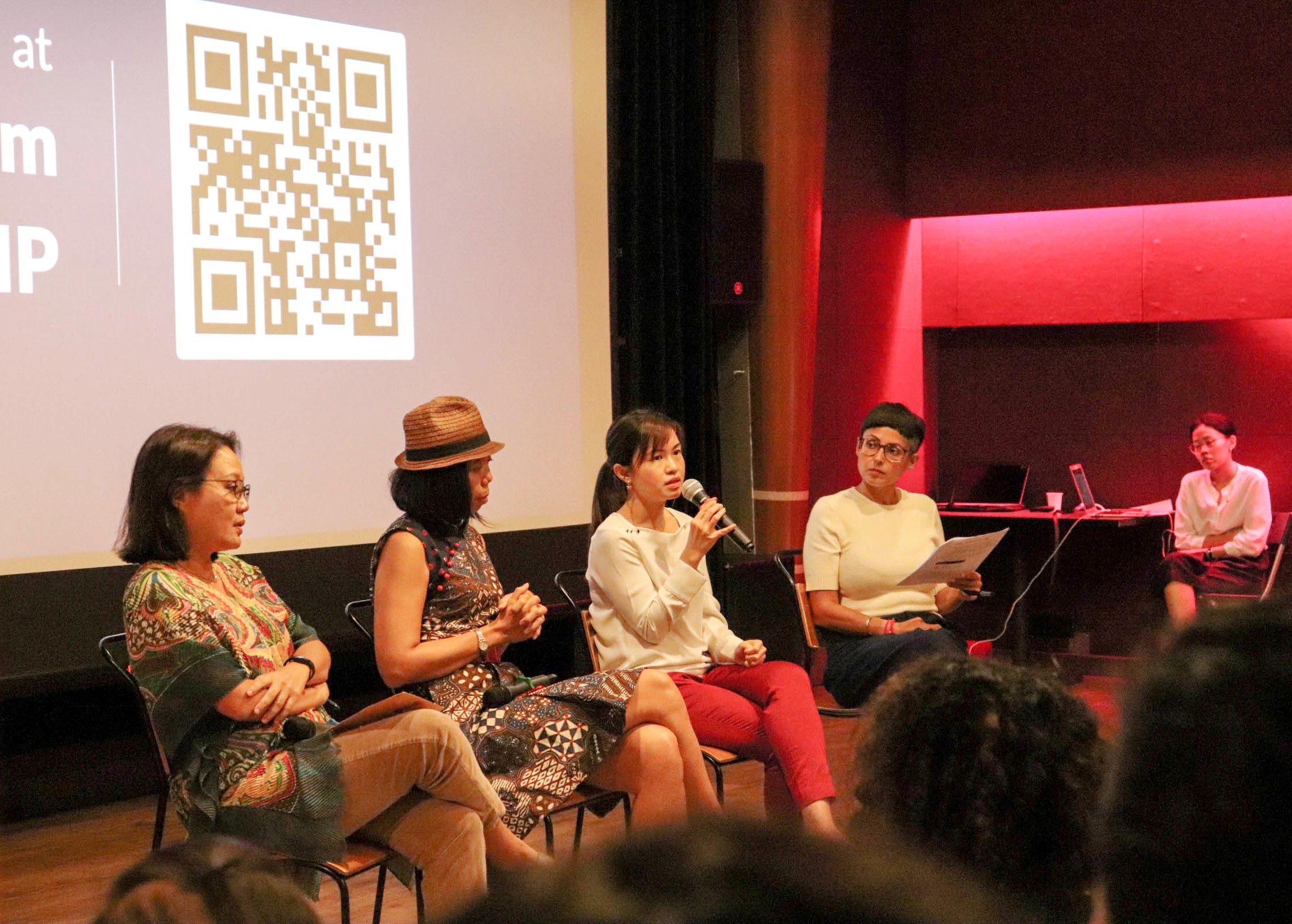
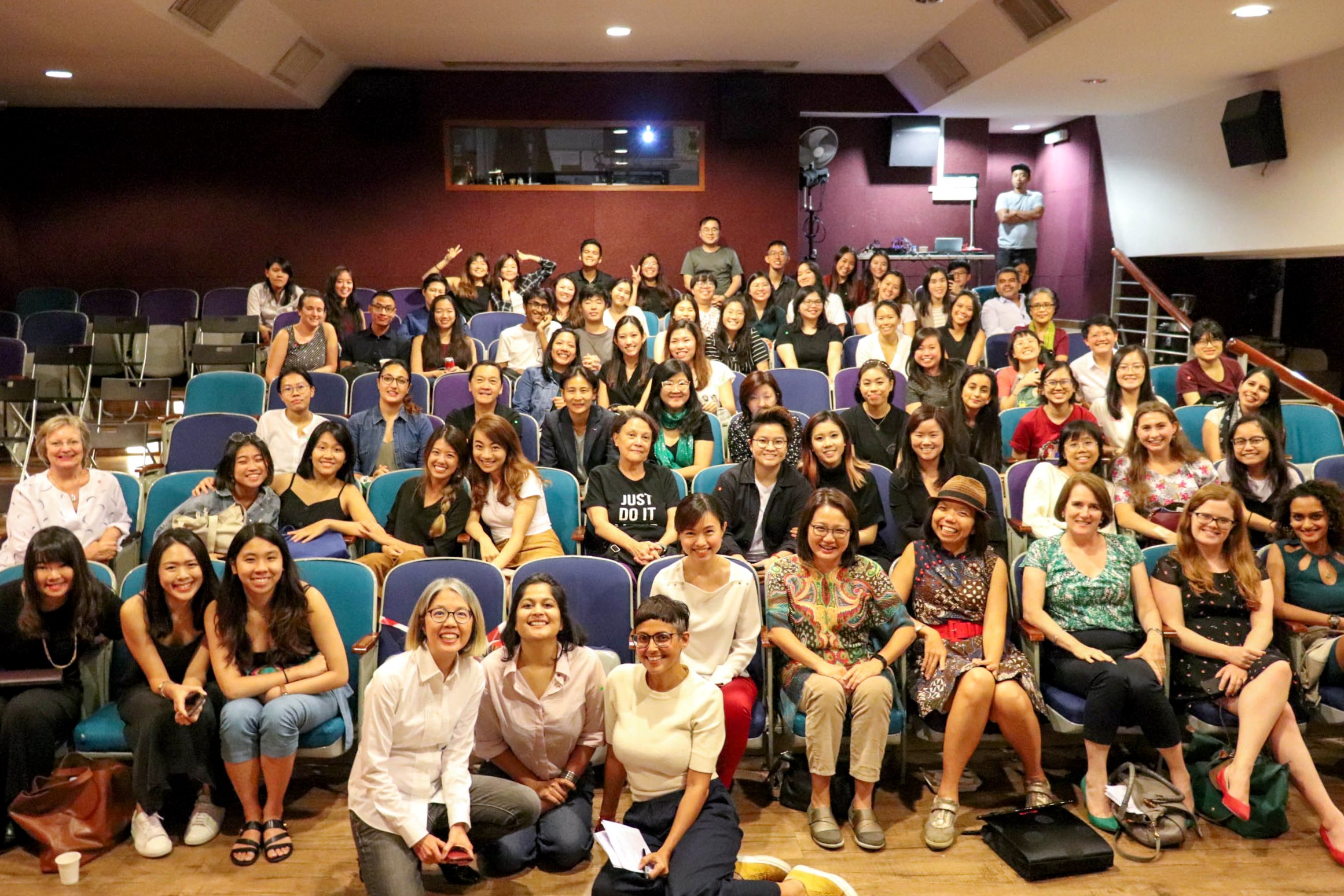
On 18 March 2020, AWARE organised “Women in Politics”, an exciting and insightful discussion with three current Members of Parliament and Nominated Members of Parliament – NMP Anthea Ong, MP Sylvia Lim and MP Tin Pei Ling, with Anita Kapoor as the moderator. The event was held at The Projector and was attended by about 80 audience members. The discussion was officially off the record, and this write-up has been vetted by panelists.
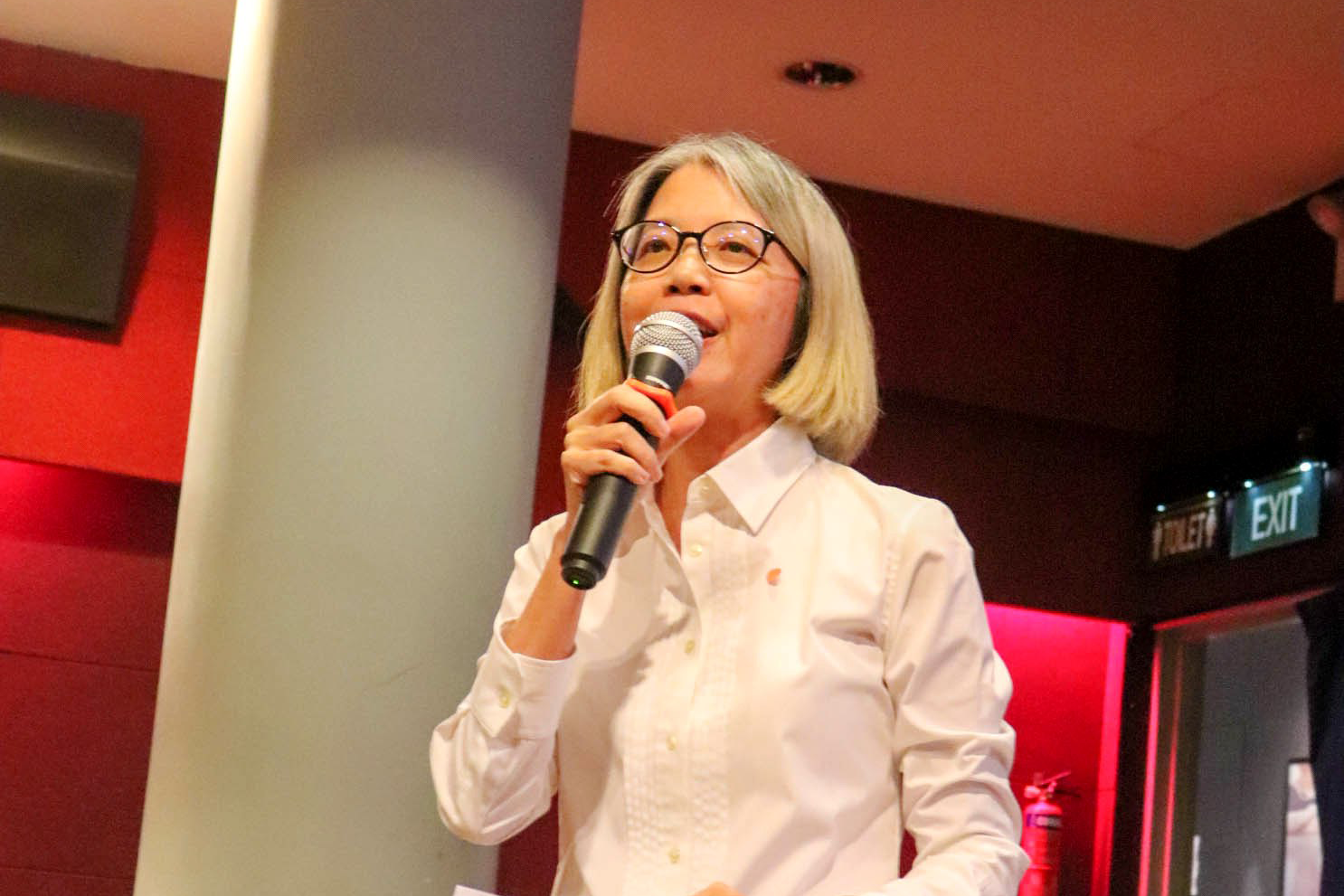
AWARE’s Executive Director, Corinna Lim, kicks off “Women in Politics” at The Projector
AWARE’s Executive Director, Corinna Lim, welcomed participants with an opening speech, followed by an interactive poll where audience members got to test their knowledge on gender issues in Singapore. The poll revealed that 65% of the audience members didn’t know that women pay 20% more than men for CareShield Life premiums. Audience members were also shocked to find out that only 13 complaints against employers had been filed at the Ministry of Manpower in 2019. (Only 4% of audience members answered that question correctly.)
After the poll, Corinna presented AWARE’s Gender Manifesto, six principles for a more equal, fair and just world and audience members voted on the principles they believed to be most urgent. Support for low-income households, anti-discrimination and violence against women emerged as the top three issues that the audience wanted the government to address in 2020.
Then, the main event. Moderator Anita kicked off the discussion with the three politicians by asking them what had pushed them into joining politics in the first place.
(L-R) MP Sylvia Lim, NMP Anthea Ong and MP Tin Pei Ling with moderator Anita Kapoor
PAP MP Tin Pei Ling shared her belief that politics must be about improving people’s lives. She expressed her desire to be a voice lobbying in Parliament for positive changes, and to be in the position to mobilise resources and rally support for worthy causes in the community. Her long-time involvement in community service, which she began while an undergraduate student, motivated her to dive into politics.
For Workers’ Party MP Sylvia Lim, it was her desire to contribute to democracy in Singapore that made her join politics. She was further distressed by Singapore’s 2001 snap election, in which two-thirds of total seats went uncontested.
NMP Anthea Ong, however, had not intended to enter politics at all. But after observing how marginalised communities, like migrant workers and those living with mental health conditions, did not have a real voice in Singapore, she changed her mind.
Next came a pressing question: With women making up a mere 24 of 100 current Members of Parliament, why are there so few women in Singaporean politics?
While an overarching explanation proved elusive, the panelists cited difficulties balancing work with caregiving and the discomforts of public scrutiny as some factors that discourage women from entering politics. That loss of privacy does not just affect them, it affects their loved ones, they added.
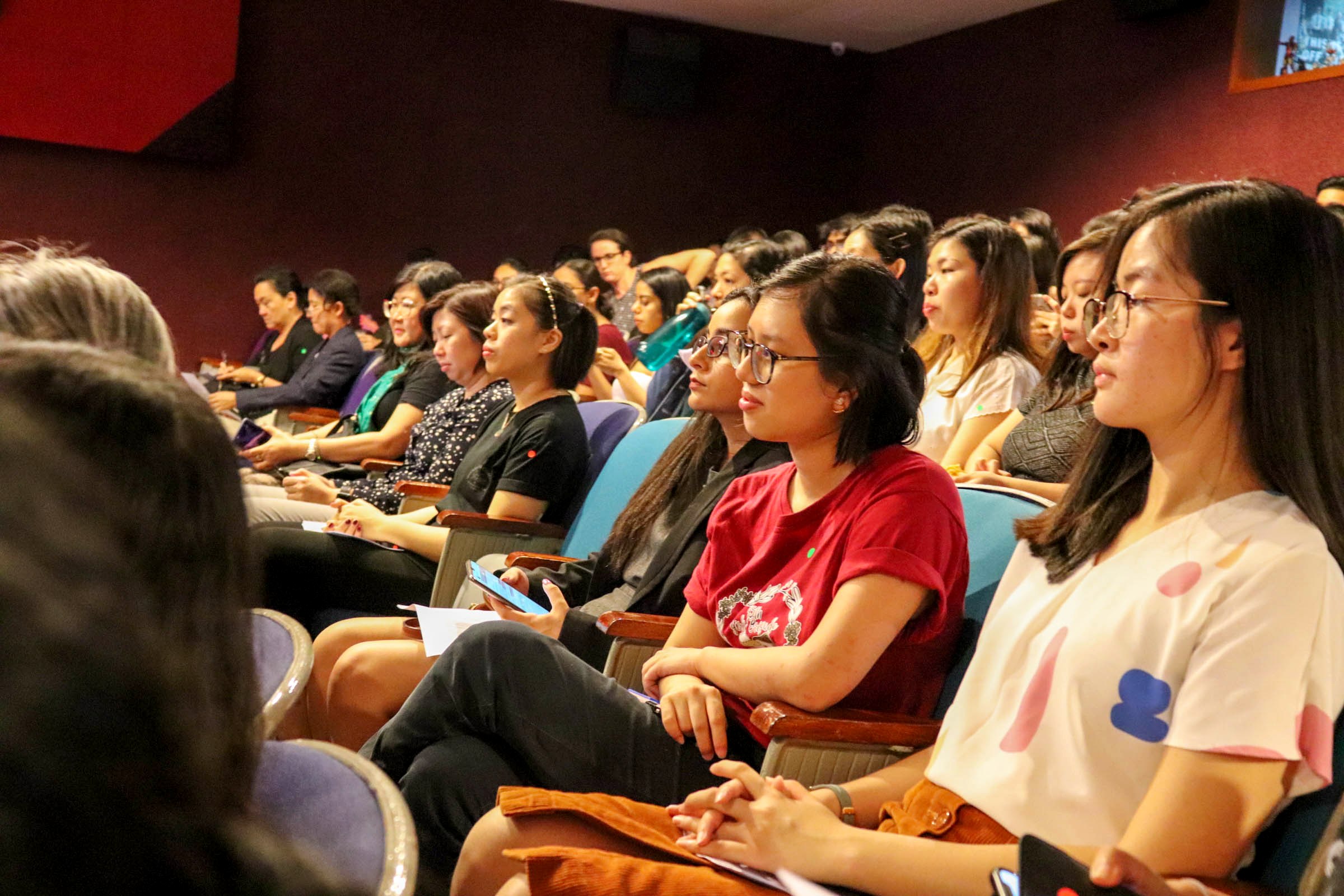
Members of the sold-out crowd engrossed in the discussion
Speaking more specifically on discrimination in Singapore, the panelists agreed that everyone should be protected from discrimination but what form of protection this takes remains to be figured out. As NMP Anthea put it, if our society is able to progress on gender issues, we will also be able to progress on other issues facing marginalised communities.
Acknowledging that all three of the panelists were Chinese women, the conversation turned to how laws and policies would look different with more minorities in Parliament—as there are currently only four non-Chinese female MPs. The panelists agreed that there should be more diversity in Parliament and expressed that a minority MP, had they been able to join the forum, would be able to shed more light on the issue.
Finally, in spite of aforementioned downsides, the panelists were full of encouragement for young women interested in joining politics. Hopefuls may start, they suggested, by doing volunteer work or interning at a non-governmental organisation (NGO) to get to know Singapore’s political process more intimately. One should also decide on a political party most aligned with their values.
Parting advice: While there may be struggles along the way, it is important to keep the bigger picture in mind and remember why you started, while at the same time setting boundaries and staying true to your own values.
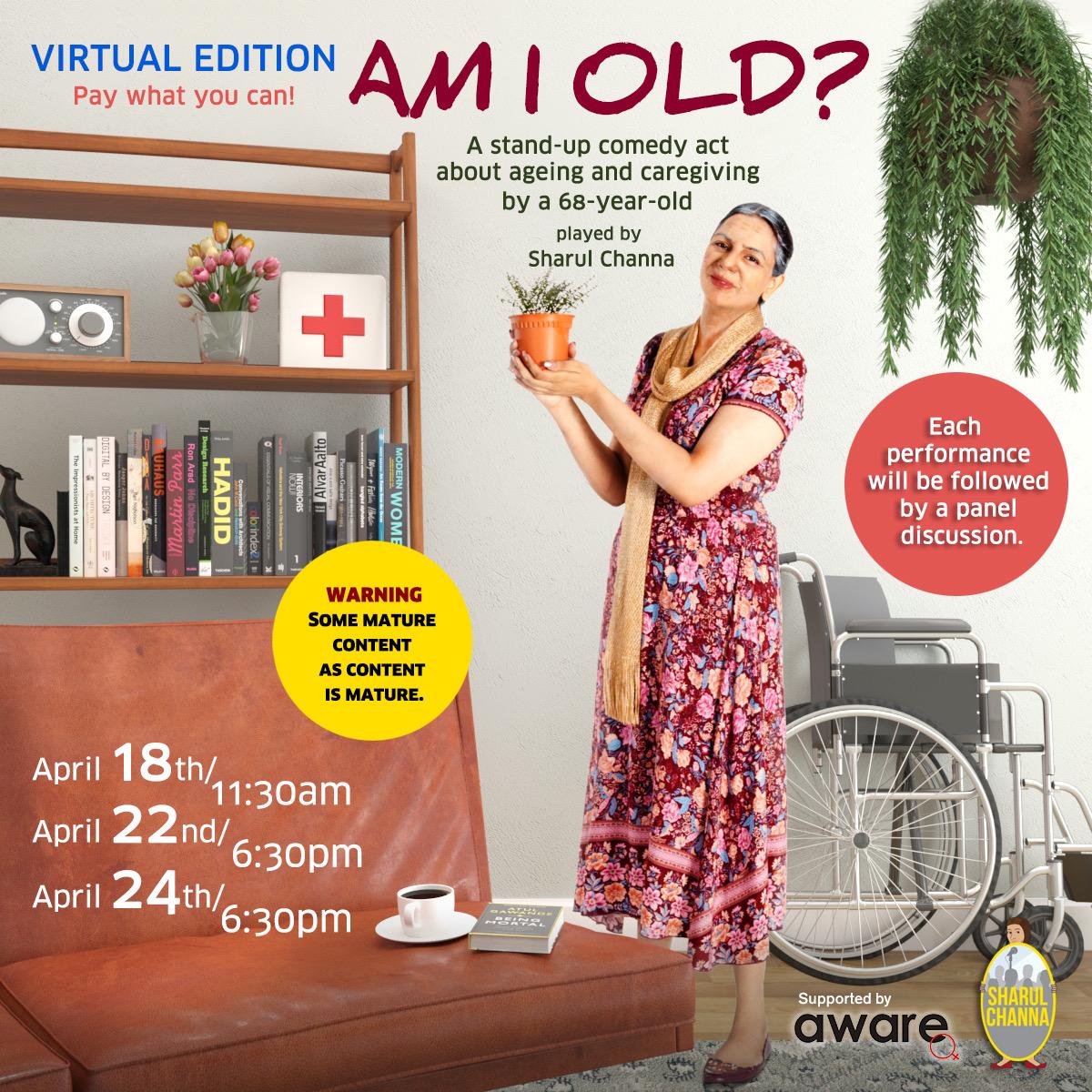
Savitri, a 68-year-old, Singaporean retired school teacher, is looking for something exciting to do. So she tries stand-up comedy for the first time. Armed with nothing but her PAssion Card and her Pioneer Generation Package, Savitri is ready to hit you with her best punch lines about unrequited love, being a caregiver and, of course, coming to terms with age. After all, her rallying cry is “old woman, new jokes”!
Am I Old? is a comedic monologue written and performed by local comedy pioneer Sharul Channa. The innovative new show earned rave reviews from audiences in March 2020, and is now coming to you via Zoom! Choose one of three performance times:
Saturday, 18 April 2020, 11:30 AM
Wednesday, 22 April 2020, 6:30 PM
Friday, 24 April 2020, 6:30 PM
To make the show as accessible as possible to audiences during COVID-19, this special virtual edition of Am I Old? is pay what you can. (We suggest a $10 donation per audience member.)
Before your selected show, you will receive an email with instructions on how to watch on Zoom. Do check your email on the day before the show, to ensure that you have received this link.
Each performance will be followed by a panel discussion with a family caregiver, an elderly person and a representative from AWARE (whose 2019 eldercare report “Make Care Count” provided foundational research for this show).
About Sharul Channa:
Over the past two years, Sharul Channa has proven her ability to use comedy to shed light on important, and sometimes neglected, social issues in Singapore. In 2017, she deconstructed misogyny at Indian weddings with Sharul Weds Sharul, performed to sold-out theatres at The Esplanade and at The Darwin Festival in Australia. In 2018, she cycled through multiple characters in Disco Sheela and Other Indian Superwomen, a show that left “listeners breathless with laughter, and in the next moment, unable to breathe because the truth hurts” (The Straits Times, LIFE!).
Most recently, in a performance that earned her a Best Actress nomination at The Straits Times LIFE! Theatre Awards, Channa highlighted the plight of women living below the poverty line in Singapore, in her landmark solo 2019 piece, Crazy Poor Sita.
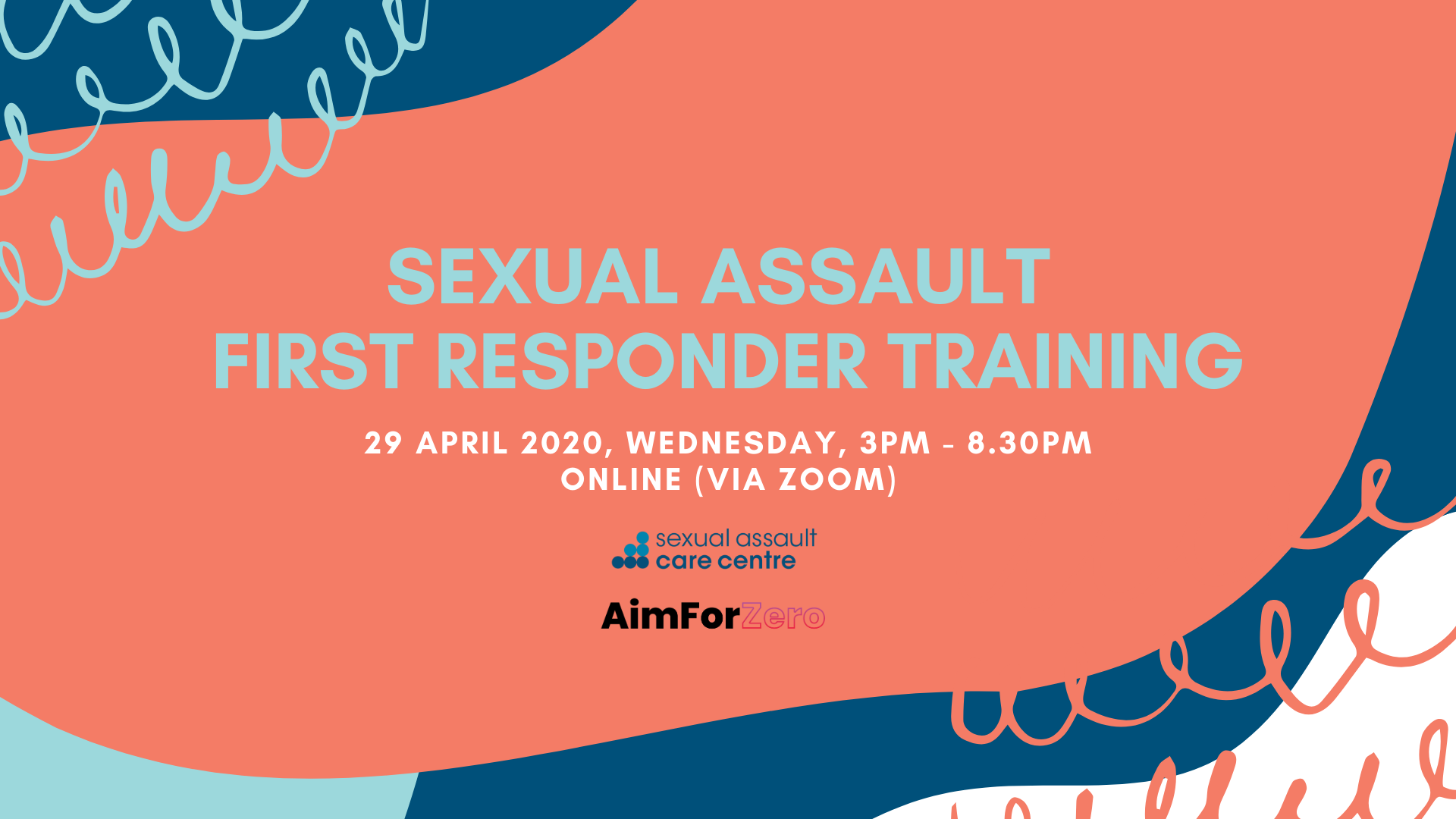
Please note this workshop will be online only. Participants will be emailed the Zoom link shortly before the session date.
“Are you sure that happened? Why didn’t you fight back? You should have known better.” These are some common responses survivors of sexual assault have heard, which may further their feelings of doubt, guilt and shame.
First response that is sensitive to the survivor’s needs and choices is necessary in preventing re-victimisation. We may not always know the right words to say, but we can all agree that sexual assault should never happen to anyone.
One way to show zero tolerance for sexual assault is through our own words and actions. It is not always easy for survivors to tell someone about what happened. In fact, for some survivors, it can be especially daunting.
As an individual that they put their trust in, our response becomes pivotal in their journey of recovery. SACC’s First Responder Training helps familiarise participants with trauma reactions and symptoms to better contribute to a survivor’s well-being. In this workshop, SACC will share more on the following:
1. Definition of sexual assault and harassment
2. Recognising Singapore’s legal framework
3. Understanding consent
4. Understanding the impact of sexual assault and trauma on survivors
5. Role of a first responder
6. Providing support to survivors of sexual assault
7. Resources available for help
8. Key skills such as ensuring safety, active listening and empathy
When: 29 April 2020, 3.00 PM – 8.30 PM (5.5 hours with breaks) Where: Online (via Zoom) Cost: Pay what you can (suggested donation of $10)
Under AWARE’s #AimForZeroSG campaign, this popular workshop has been made affordable to all. While you are welcome to pay what you can, we suggest a sum of $10 per workshop attendee. Please note that all proceeds to towards SACC and that the donation made towards the workshop is non-refundable.
Persons of all genders and nationalities are more than welcome to attend.
We strongly request that all participants commit to the full duration of the 5.5-hour workshop (there are breaks!) to ensure that everyone will get the opportunity to engage in interactive discussions and learn useful skills.
This commentary was originally published in Channel NewsAsia on 26 March 2020.
SINGAPORE: Social isolation measures have been mandated around the world to contain the spread of coronavirus, but these have had undesirable side-effects.
According to Chinese daily The Global Times, the city of Xi’an has seen a record-breaking volume of divorce requests over the past few weeks.
Extended periods of time cooped up with one’s family may inadvertently lead to rising tensions and conflict at home. But self-isolation is putting some people’s lives in serious danger of another kind: Family violence.
Family violence is violent, threatening, coercive or controlling behaviour that occurs in current or former family, domestic or intimate relationships. It encompasses physical abuse, sexual assault, emotional and psychological abuse, economic control, social isolation and any other behaviour that may cause a person to live in fear.
With social isolation measures, victims of family violence are now trapped at home with their abusers to an unprecedented degree. They are also cut off from the respite typically available to them, such as going out to work or school.
This potential secondary effect of the coronavirus crisis has not received the attention it deserves, despite past evidence that family violence rates rise in the wake of emergencies such as natural disasters and disease outbreaks.
INCREASE IN FAMILY VIOLENCE NUMBERS
Advocates in China, the United States and Italy are all reporting a spike in victims reaching out to family violence hotlines and organisations. In Singapore, AWARE’s Women’s Helpline has seen a 33 per cent increase in February over calls received in the same month last year.
This increase stands in huge contrast to national-level data from 2016 to 2019, which shows family violence on the decline as evidenced by the number of personal protection order applications filed.
Social workers AWARE spoke to recently reported similar increases in family violence cases and agree that isolation may be increasing the incidence of abuse, even as the circumstances and reasons that lead to people reaching out for help remains difficult to establish even under normal circumstances, let alone during crises.
One social worker highlighted that 60 per cent of recent daily referrals had been family violence related, up from 30 per cent last year. Another highlighted a couple of cases they saw that resulted in a sudden escalation in violence when families were given stay-at-home notices.
It is too early to say if this trend will continue, but we should consider how better support to victims can be provided while practicing social isolation or distancing.
PANDEMICS AND FAMILY VIOLENCE
Crises like pandemics and natural disasters may be accompanied by an uptick in family violence because of three reasons. These reasons are closely associated with family violence’s roots in power and control.
First, pandemics are typically situations in which people’s lives may seem out of control. This could trigger abusers to lash out against their victims, in order to regain some semblance of control over a situation. An already abusive relationship may therefore worsen.
This may be why economic hardships themselves are a trigger for more abuse in a relationship. A research study on intimate partner violence and the global financial crisis in the US found that unemployment and economic hardship at the household level were positively related to abusive behaviour.
It also found that rapid increases in the unemployment rate increased men’s controlling behaviour towards partners, even after adjusting for unemployment and economic distress at the household level.
Second, social support – from family, friends or other sympathetic allies – is critical in helping family violence victims heal and build hope.
Yet containment measures, such as work-from-home arrangements or when workers are put on enforced leave, increase social isolation. Many victims may also feel that they can no longer seek refuge at the home of a friend or relative, especially those with elderly residents or children, for fear they could expose their families to the virus.
Third, the coronavirus crisis is likely going to push the world economy into recession, which will make it even more difficult for victims to leave abusive relationships.
Leaving an abusive partner often involves establishing financial independence – for example, by keeping a secret savings account that the abuser cannot access – but this will be more difficult if victims begin to lose jobs.
Low-income households are particularly vulnerable to such economic shocks.
NOT EVERYONE CAN GET HELP
Increased time spent at home may increase the incidence of family violence, as abusers and victims find themselves in close proximity 24/7.
But being forced to stay at home may also impact a victim’s help-seeking behaviour. Typically, victims call helplines and services when they are away from their abusers, such as at work, or out on an errand.
With more people spending time indoors, victims may be afraid to reach out for help, assessing that their abusers have a higher chance of finding out.
Services themselves might also be impacted as a result of COVID-19. For example, crisis shelters may be taking necessary precautions to close their doors if they deem the risk of infection to be high.
Helplines and social service organisations may be under pressure from increased demand and unable to respond promptly, especially if they aren’t provided the necessary resources to adjust to higher demand.
Already in Singapore, there are reports of social service organisations’ coffers running low, and non-profits seeing a dip in the number of volunteers offering to help.
ADDRESSING FAMILY VIOLENCE DURING PUBLIC HEALTH EMERGENCIES
Lessons from previous pandemics, such as Ebola and SARS (which prompted similar spikes in reported family violence), indicate that vulnerable communities, particularly women, shouldn’t be forgotten during public health emergencies.
Indeed, UN Women has also called on governments to consider the disproportionate impact of the coronavirus pandemic on women, who make up the majority of workers in the health and social sector and the informal economy.
The Singapore Government has done a remarkable job in containing the spread of coronavirus while keeping the public informed of the number of people infected, who they came in contact with, and how they were infected.
As we begin to track the secondary effects of the coronavirus crisis, we must include the impact of family violence, and prioritise services providing crucial support to victims.
Any stimulus package can include specific plans to build the long-term economic resilience of all those who have been affected, especially family violence victims. This will be crucial for them to maintain financial independence from their abusers.
The package can also provide financial and technological support to social service organisations so that they are not forced to scale back operations at this crucial time, and can instead use this as an opportunity to take more of their work online.
If you or someone you know is experiencing family violence, you can reach out to AWARE’s Women’s Helpline (1800 777 5555, Monday to Friday, 10am to 6pm), or to Protection Specialist Centres such as PAVE.
Shailey Hingorani is Head of Advocacy and Research at AWARE.
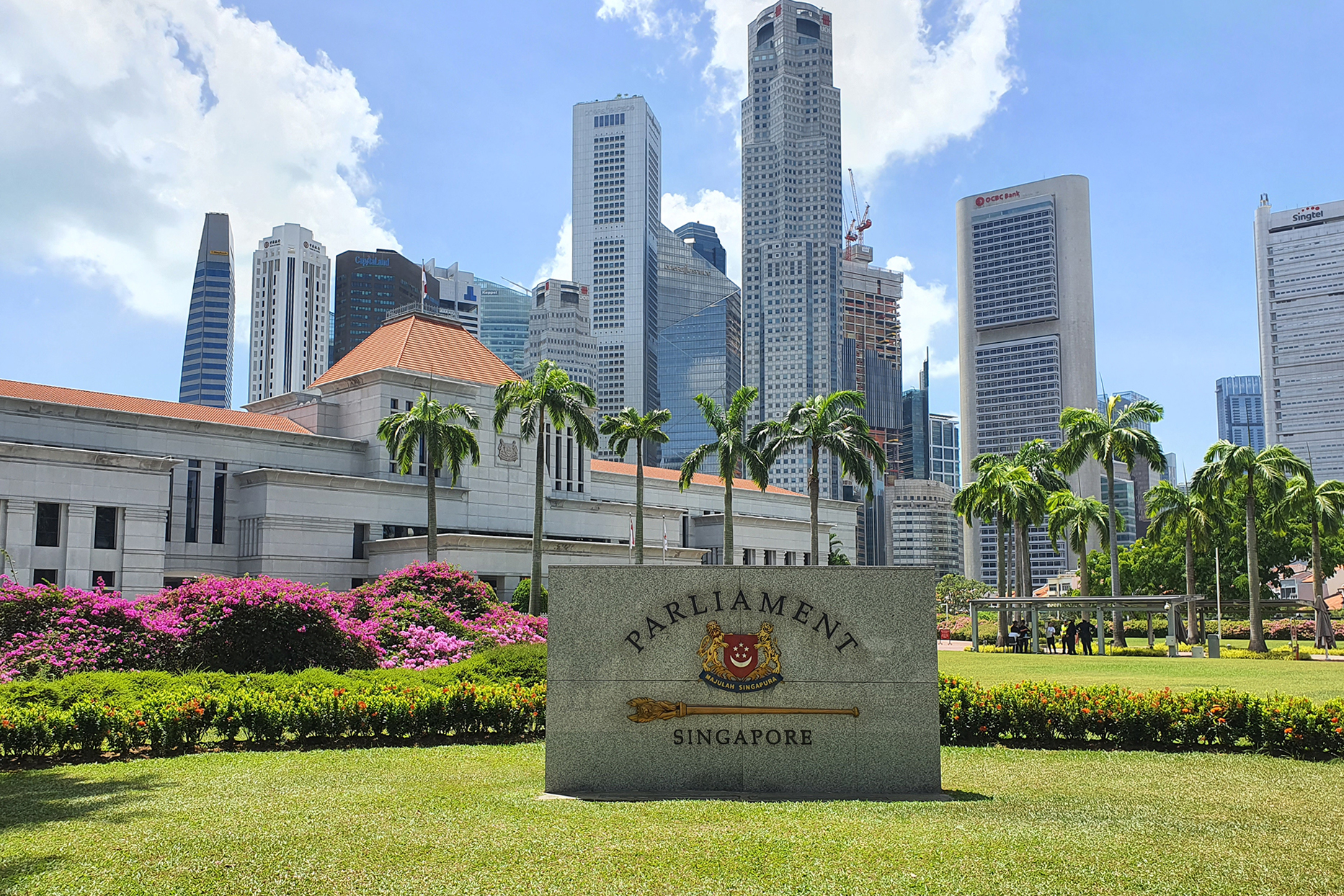
From 26 February to 6 March 2020, a team of interns from AWARE visited Parliament to follow the 2020 Committee of Supply (CoS) debates.
The CoS debates occur after the National Budget is announced. They comprise an examination into each ministry’s plans, during which individual Members of Parliament (MP) may request to speak on issues relating to each ministry.
Below are a few areas of interest to AWARE’s work.
1. Caregiving for children and the elderly
Several MPs raised concerns about the financial and social challenges faced by caregivers, and what could be done to assist them.
MP Saktiandi Supaat spoke about the financial burden on caregivers of elderly parents due to rising healthcare costs, reminding the government to think about how peace of mind can be ensured among Singaporeans beyond the Care and Support Package. He also raised concerns about caregivers’ employability, pointing out that caregivers are often unable to commit to retraining, and questioned if the government has targeted them in outreach efforts.
Meanwhile, Nominated Member of Parliament (NMP) Yip Pin Xiu called attention to how women are disproportionately affected by caregiving responsibilities, which hurts their ability to work and accumulate financial resources. She added that more can be done to redistribute caregiving responsibilities and ease the pressure on women, starting by collecting more robust data on caregivers in Singapore.
Similarly, MP Chen Show Mao spoke up on the same issue and proposed for a CPF top-up in addition to cash grants for caregivers to better ensure their retirement adequacy.
The provision of caregiving-related leave was raised. MP Louis Ng called for a specific childcare sick leave on a per-child basis. He also suggested legislating parental care leave. Similarly, NMP Yip suggested that childcare leave be converted to family care leave so it can be used for the care of other family members.
2. Support for all families, including single-parent and transnational families
AWARE welcomed the continued calls for more support to be granted to marginalised families.
MP Ng suggested that existing tax reliefs available to married couples be extended to unwed parents and single fathers, as “all parents regardless of marital status should be respected”, not discriminated against.
NMP Walter Theseira expressed concern for transnational families, which make up a significant proportion of Singapore’s population but are disadvantaged in several public policy areas. Many of them live in uncertainty as their foreign spouse must continuously apply to stay in the country, with no guarantee of success. Transnational couples, especially lower-income ones, have limited housing options. He asked if the Long-Term Visitor Pass Plus (LTVP+) can be granted to all foreign spouses of citizens to provide greater assurance of their right to reside.
Finally, MP Seah Kian Peng strongly urged for our understanding of families to change, as not everyone fits into the mould of a nuclear family unit. This is so that single unmarried parents do not continue to be deprived of housing just because they are not considered an official “family nucleus”.
3. Women and work: harassment and discrimination
NMP Yip spoke about workplace harassment and the gender wage gap. She emphasised the importance of ensuring that employers adopt and adhere to the Tripartite Advisory on Workplace Harassment and hoped that the Government will continue to promote adoption. She expressed concern that the unadjusted gender wage gap remained largely unchanged over the decade, and made suggestions to encourage father’s uptake of caregiving-related leave.
Meanwhile, Non-constituency MP (NCMP) Daniel Goh called for the Government to be more proactive in addressing motherhood bias, which penalises and prevents mothers from re-entering the workforce.
4. The needs of LGBTQ+ persons
AWARE applauded NMP Theseira’s efforts in including the needs of LGBTQ+ persons in policy discussions.
He stressed that national campaigns on combating domestic violence need to explicitly recognise the vulnerabilities of LGBTQ+ persons, such as how their fear of stigmatisation prevents them from seeking help. He called for more in-depth training for social workers and other first responders, as well as specific resources tailored to the needs of LGBTQ+ persons.
He also called for more proactive efforts in facilitating dialogue around LGBTQ+ and other issues that marginalised communities face—similar to how the Inter-Racial and Religious Confidence Circles work for conversations on race and religion.
Our “Your Stories” series are submissions shared with us via email or in one-on-one interviews, for the purposes of our research and campaigns. All names have been changed (unless the use of real names was explicitly permitted by the author), and we have sought permission to publish from the authors/interviewees themselves. The opinions expressed in these posts do not represent those of AWARE.
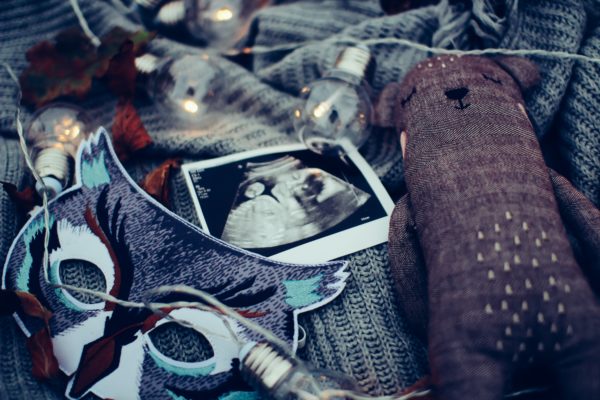
Natalie: I remember the exact date—24 April 2019—when my husband, Florian, and I found out that we were having triplets. We were initially unsure of how we would cope. However, we soon came around and fell in love with each of them. We looked forward to seeing the babies at every scan, seeing how much they’d grown, feeling their kicks in the evening as we played music for them.
Smooth sailing
We had a successful 15th-week scan before we flew off for our belated month-long honeymoon. We went to Zurich and Italy with our gynaecologist’s blessing. Our 20th-week scan, upon our return, showed our gorgeous threesome growing nicely. They were all growing a few days ahead of their gestational age.
Seeing our doctor had us in even better spirits. He told us that they were all doing well and as long as there were no complications, we only had to see him for routine scans.
On Saturday, 10 August, our dearest friends put together a little gender reveal party for us. We FaceTimed with family from abroad so that they could all watch the unveiling live. Baby A was a dear boy, and Babies B and C were our sweet girls. We were over the moon with the outcome, and more eager for the babies’ arrival.
Storm brewing
Two days later, I went into the hospital with some bleeding. The doctors found that I had an infection. I stayed in the hospital for two nights and, after a check on the babies and my cervical length, they sent me home. I left with a bag of antibiotics and an order to keep activity levels to a minimum. The day after my discharge, we were back in the hospital. I’d shared with Flo that I was still bleeding and feeling slightly crampy after he came home from work. He insisted we go in to get checked, even though at 22 weeks and three days, I knew that the babies were not viable.
I feared that the doctors would call for them to be induced. I was not ready for that.
I was attended to quite promptly and checked for contractions. Apparently I was having contractions, even though I couldn’t feel any. The MO checked my cervix and immediately called for me to be admitted. They said I was already dilated by five centimetres. My heart turned cold. I felt so helpless.
For the next three days, I was in constant pain. They felt like contractions, initially 10 minutes apart and gradually increasing to three to five minutes apart, and each lasting about 50 seconds. By Sunday, I’d woken up ready to have our babies out because I could no longer bear with the pain. I was told by the doctors it may be better to let them pass naturally rather than be induced. After all, my cervix was now fully dilated and the membranes were exposed.
I tried. With every “contraction”, I tried to push. There was a two-finger gap between my upper and lower abdomen. I was convinced that our baby boy below was keen to come out. But there was nothing.
Hanging onto hope
That evening, after nurses found out I hadn’t peed the whole day, they inserted a catheter into me, draining away 1.7 litres of urine. That lower abdominal bump disappeared.
Florian’s and my spirits started to pick up. We were into the 23rd week and feeling more hopeful, thinking that the worst was over.
Every day, I prayed that the babies would reach 24 weeks. Yet Flo and I knew that that milestone wasn’t any guarantee for their long-term health. We had already agreed that should the babies come in the 23rd week, we would let them go, simply because survival rates were a mere 20-30% at that point—not to mention the multitude of health complications they might struggle with from being severely underdeveloped. We didn’t want them having to fight for survival in the first few days, weeks, months, years of their lives.
We hit 23 weeks and four days and the tides turned once more. At around 10pm, I kept feeling some kind of fluid flow out from below, but it wasn’t from my water bag. The nurses changed me and found that I had green discharge flowing out with a foul smell. Immediately, the doctor ordered for me to be sent to the delivery suite. I panicked, but Florian kept assuring me that everything would be OK.
Losing pieces of me
In the delivery suite, we were advised to have the babies out lest my own health be put at risk. With the infection already attacking my womb and fever spikes for consecutive days, the doctors said they couldn’t wait.
For an hour, Florian and I debated what to do. I, filled with emotions and maternal instinct, wanted only to keep the babies. I wanted to give them a chance at life, even though days ago I had agreed to let them go. Florian was more rational but I couldn’t accept that decision. We argued. I was insistent.
In the end though, I knew within my heart of hearts that Florian was right.
At 2am on Friday, 23 August 2019—one day before my birthday—the doctor broke Baby A’s water bag. He didn’t take too long to come out. Even though he was still small, it was tiring. I couldn’t feel the contractions and the midwife had to keep going back to the monitor to tell me when to push.
They had me on oxytocin to speed up and increase the contractions for Baby B. Another doctor came in about an hour later to help me break B’s water bag and get her out. During that time, Baby C’s bag broke too. Baby B came out strong-willed and crying. It was heart-wrenching. I had to cover my eyes, begging her not to cry. Finally, just before 6am, Baby C was out to join her big brother and sister.
The entire time, Flo was with me, holding my hand, giving me sips of water, keeping me going. When the babies were all out, I think I started to go into shock. I was cold and shivering all over, my muscles tensed, my mouth clenched. No matter how hard I tried, I couldn’t relax. Then, I fell into the deepest sleep, waking up only to feel like I was stuck in a boiler. I was so hot, I thought I’d peed bucket-loads on myself and it’d all seeped into the blankets below, sizzling up as though the table I laid on was a grill on high heat. I had Florian remove the blankets from me, to get me cold water, to cool me down with wet wipes as I floated in and out of consciousness. My temperature had shot up to 39.6 degrees C.
Angels now
At around 10am, the babies were washed and clothed in Angel Gowns (swaddles made from preloved donated wedding gowns), which looked pristine, white and soft. Each had a small knitted beanie over their heads; they were still a little loose. It took some time for them to be brought to us because of all the paperwork that had to be completed.
When our babies were brought in for us to see, they were more beautiful than we could have ever imagined. Seeing our babies there, doll-like and peaceful, made me realise that we had made the right choice. They came to us together, and they left us together. At least they are together in heaven, under God’s watchful eye, waiting for when Flo and I to join them.
We were asked if we wanted to take photos with or of our triplets and whether we wanted to carry them. They were so tiny, so delicate, that we couldn’t bear to hold them. They looked perfect and happy, next to each other. We chose to forgo pictures because we didn’t think it right to take them. Still, I am certain that when we join them in heaven, we won’t need a photograph to recognise them. We’ll just know.
Often, I wonder whether I could have done something more. Maybe I ate something wrong; perhaps I should have insisted on more tests and swabs for infections; maybe I was too active and did not consider just how risky this pregnancy was, especially since everything seemed to be going so smoothly.
Yet I know that it’s all over now. I know that I am not the first, nor will I be the last, woman to miscarry. I also know there are many hopeful mothers who have lost in their first trimester, and some even in their last. No loss is easy. No story is more tragic than another. The pain is something we all need to wade through.
Florian and I take heart in knowing that God has bigger plans, even if we may not understand them just yet. Better things are coming. And while we mourn, our babies are together, in a much happier place, watching over us. We will always be their parents, and they our children. And we will always love them. Every single day.
A month following our loss, I started a website called Seeking The Rainbow. My desire was for this platform to be a place where mothers, and fathers too, can share their stories of pregnancy and/or infant loss. I want parents to draw hope of life after loss; and I want women who have gone through the pain of losing their child to know that they did their best, that they are not alone. We, are never alone.
I seek to shine a light on pregnancy and infancy loss. By raising awareness, I pray that women will not feel ashamed or inadequate because of what has happened. I want them to rise above the grief and find the strength to carry on; for their angel babies, for their children, for their future children and for themselves. I want them to hold on and trust that after the storm, there will always be a rainbow.
If you are experiencing any form of distress and need a listening ear, call AWARE’s Women’s Helpline at 1800 777 5555 (Mon–Fri, 10am–6pm).